
-
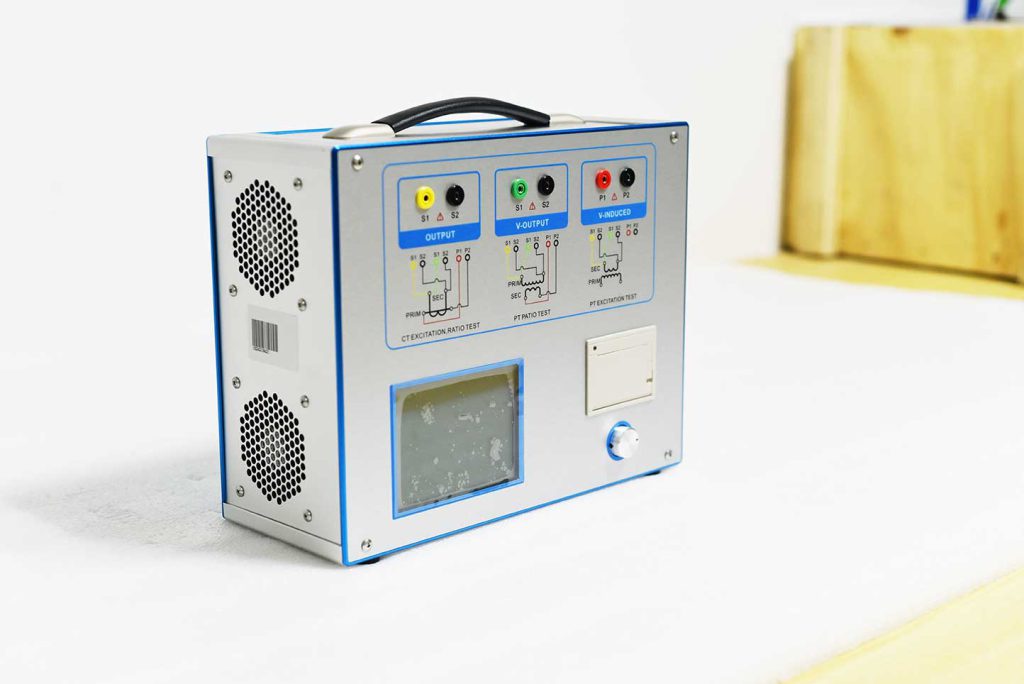
A Brief Explanation of the Comprehensive Tester for Variable Frequency Transformers
2025-05-07 -
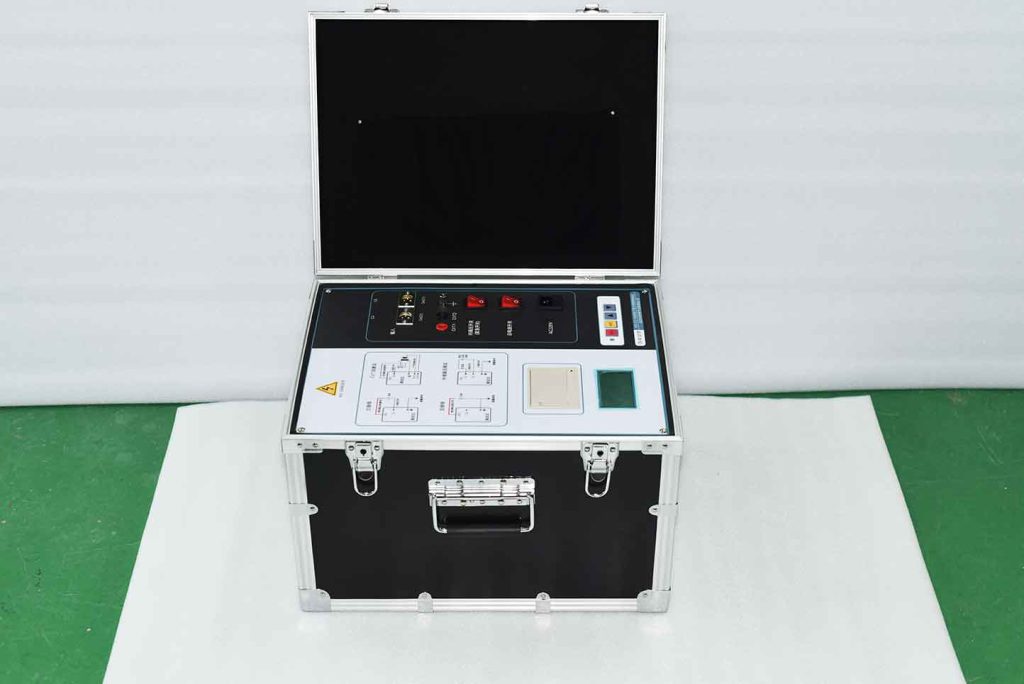
Advantages and disadvantages analysis of fully automatic anti-interference dielectric loss tester
2025-03-24 -
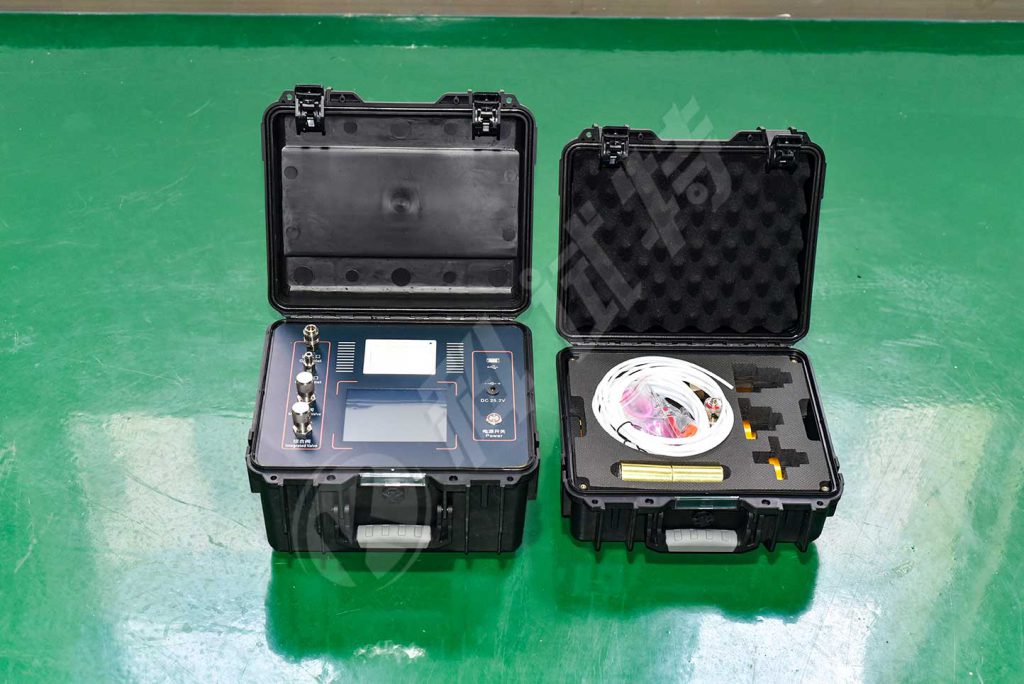
Advantages and Disadvantages of SF6 Comprehensive Tester
2024-11-18 -
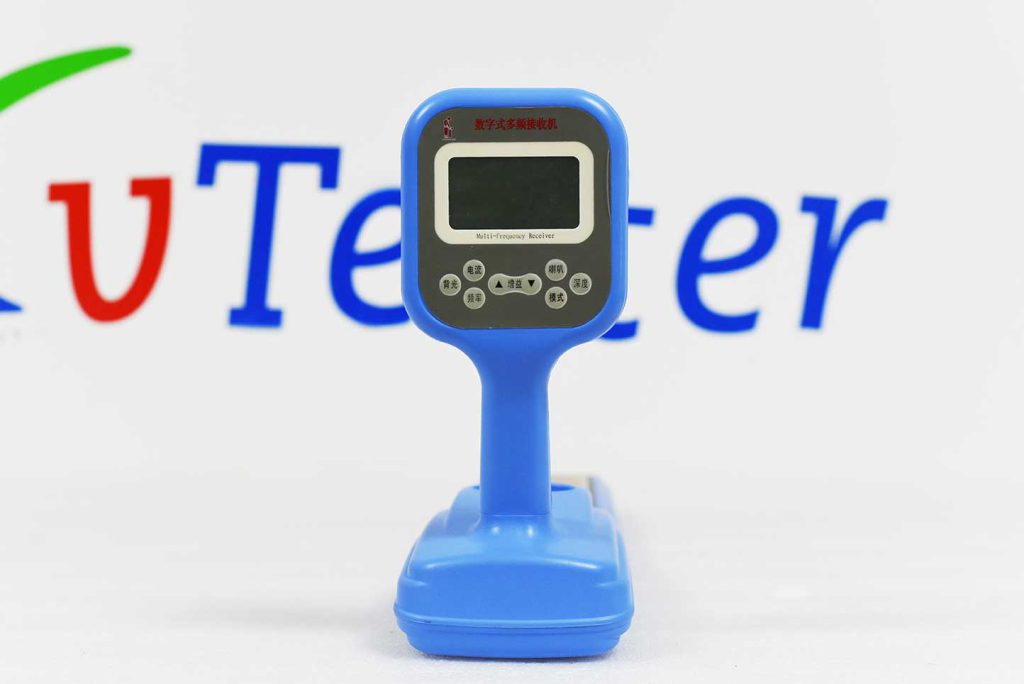
Advantages and disadvantages of underground pipeline detectors
2025-01-10 -
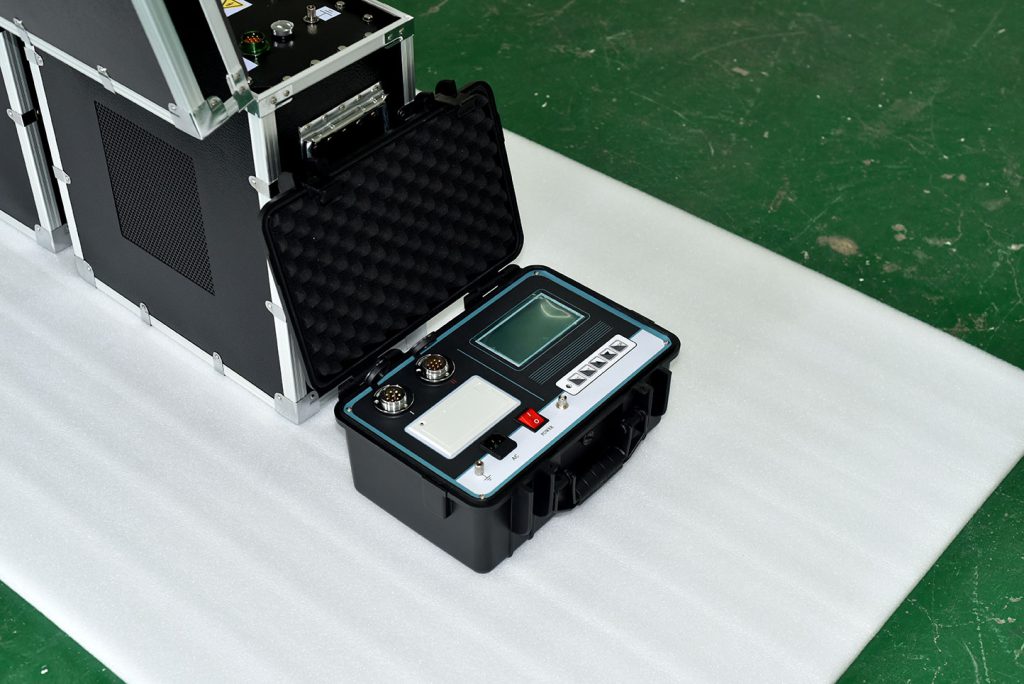
Advantages of ultra-low frequency and high voltage generator products
2024-04-03
-
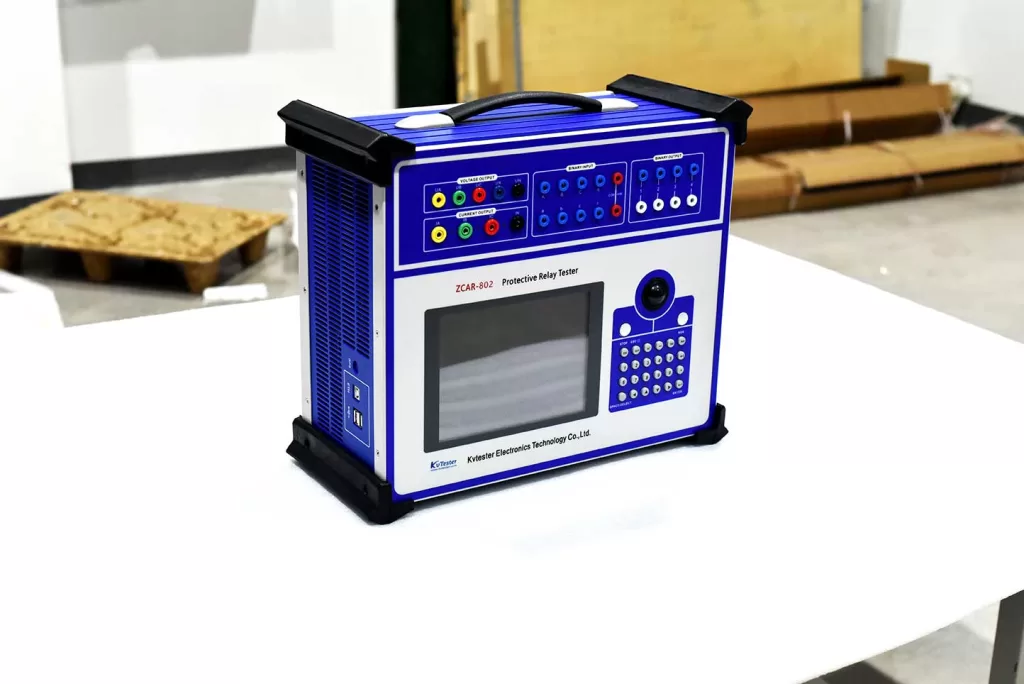
What are the respective functions of binary inputs and binary outputs in a relay protection tester?
2026-09-24What are the respective functions of binary inputs and binary outputs in a relay protection tester? The terms "binary input" (or "switch input") and "binary output" (or "switch output") frequently appear in the specifications of relay protection testers. When purchasing or using these testers, users often focus on voltage/current output… -
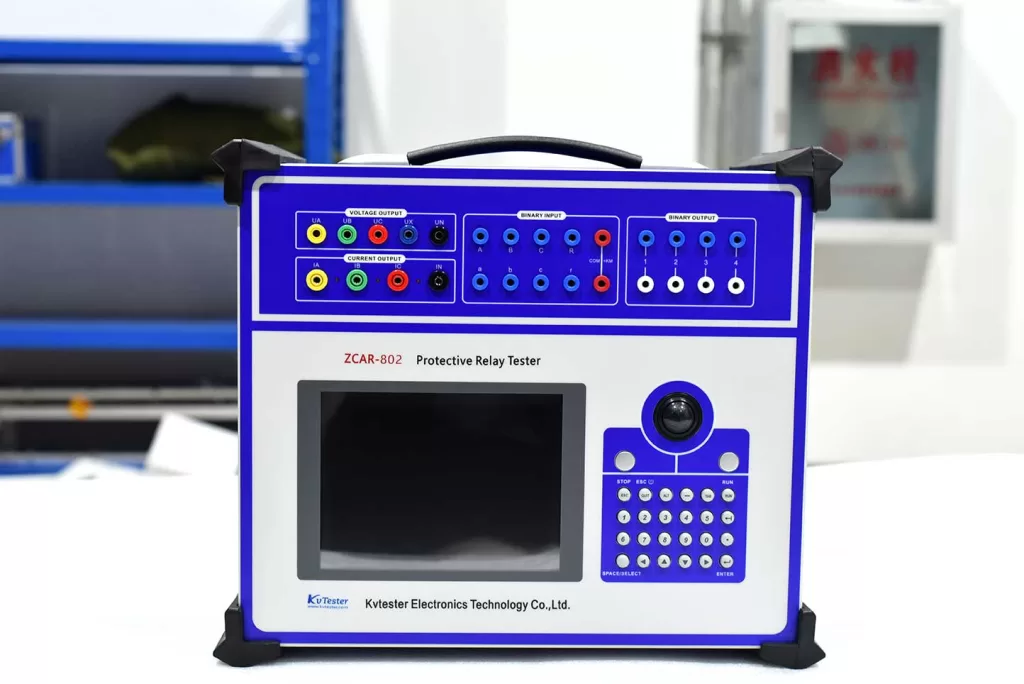
How to quickly troubleshoot a failure of the protection device to operate during relay protection testing?
2026-09-24How to quickly troubleshoot a failure of the protection device to operate during relay protection testing? Failure of the protection device to operate is a common issue encountered during field relay protection testing. Even though the test set outputs the required voltage, current, or fault quantities, the protection device may… -
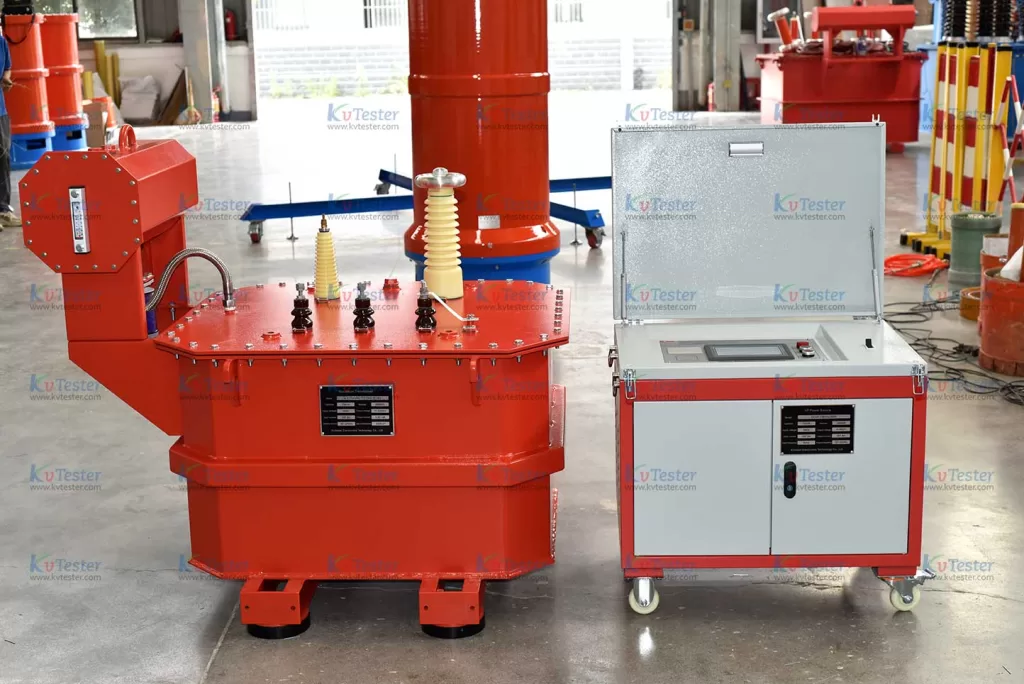
Why does the required capacity of series resonant test equipment usually increase with cable length?
2026-09-18Why does the required capacity of series resonant test equipment usually increase with cable length? When selecting equipment for AC withstand voltage testing on cables, a common question arises: why do manufacturers specify different series resonant equipment configurations for cables of the same voltage rating (e.g., 10kV or 35kV) depending… -
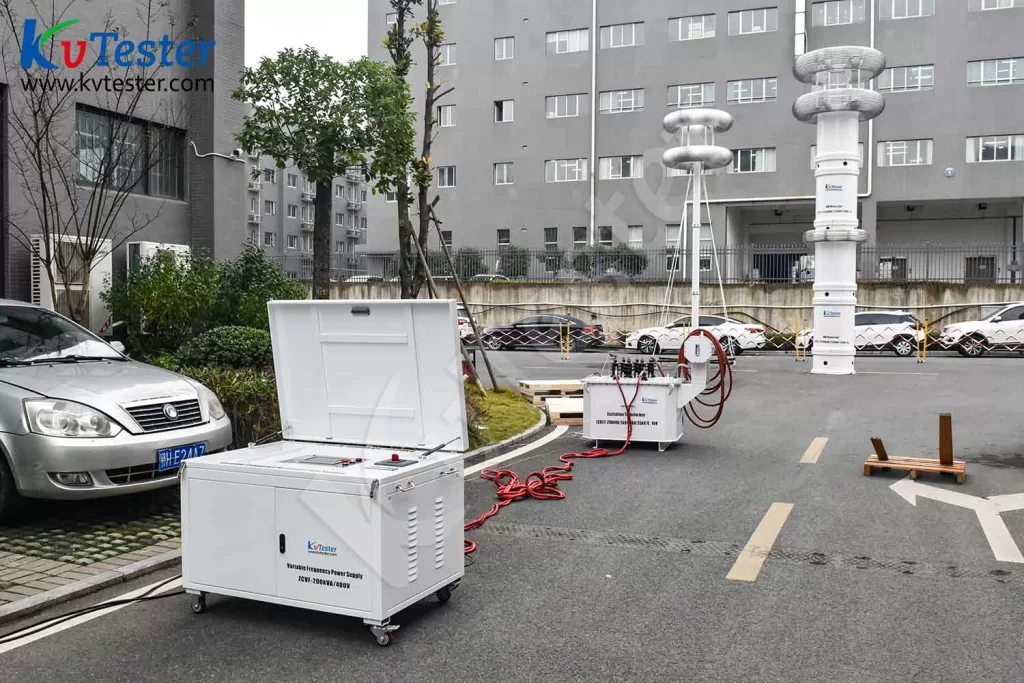
How should 35kV cable series resonant withstand voltage test equipment be configured?
2026-09-18How should 35kV cable series resonant withstand voltage test equipment be configured? 35kV power cables are widely used in substations, renewable energy plants, industrial and mining enterprises, and power transmission and distribution projects. As cable length increases, so does the equivalent capacitance, placing higher demands on the current and capacity… -
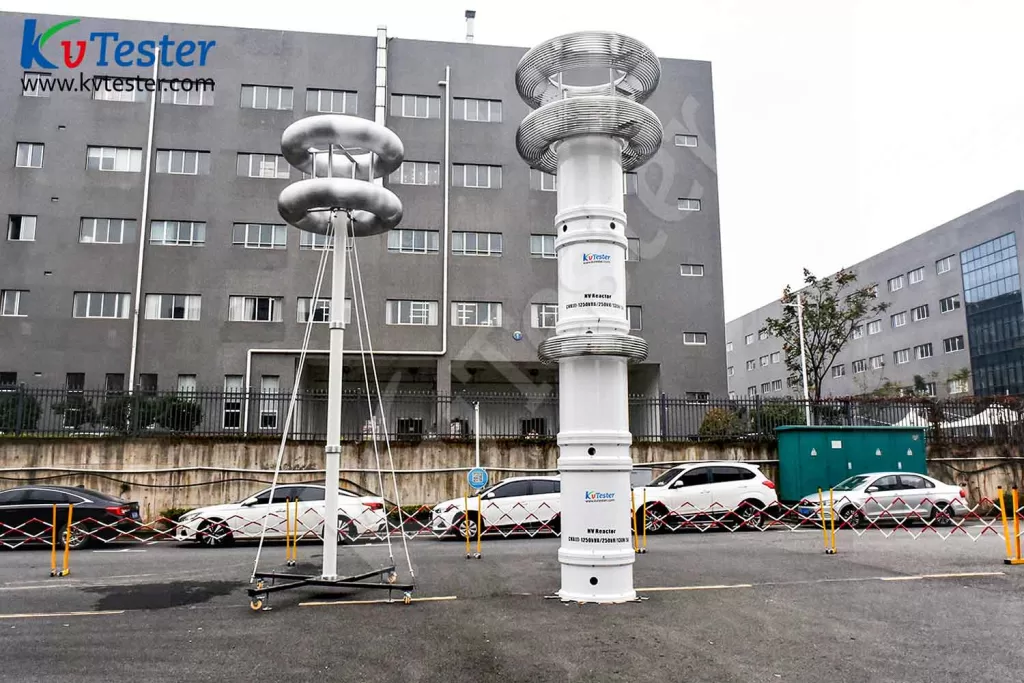
How to Select AC Withstand Voltage Test Equipment for 10kV Cables?
2026-09-18How to Select AC Withstand Voltage Test Equipment for 10kV Cables? A Guide to Series Resonant System Selection 10kV power cables are widely used in industrial and mining enterprises, power distribution projects, new energy plants, and urban power supply systems. AC withstand voltage testing is frequently required during cable commissioning… -
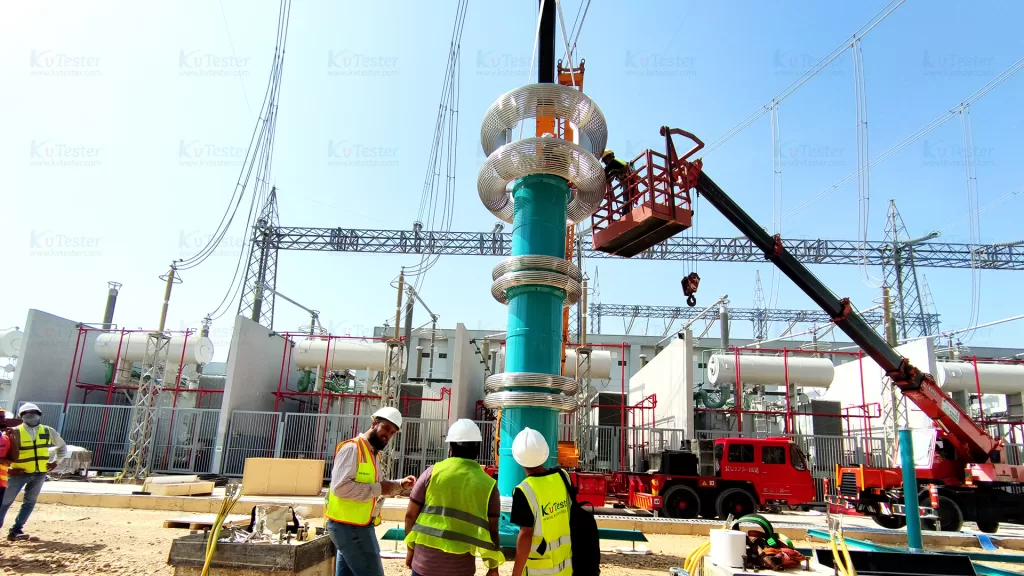
What parameters must be provided to the manufacturer when purchasing series resonant withstand voltage test equipment?
2026-09-18What parameters must be provided to the manufacturer when purchasing series resonant withstand voltage test equipment? When purchasing series resonant withstand voltage test equipment, many users simply ask questions like, "What size equipment do I need for a 10kV cable?" or "How much does a 35kV series resonant system cost?"… -
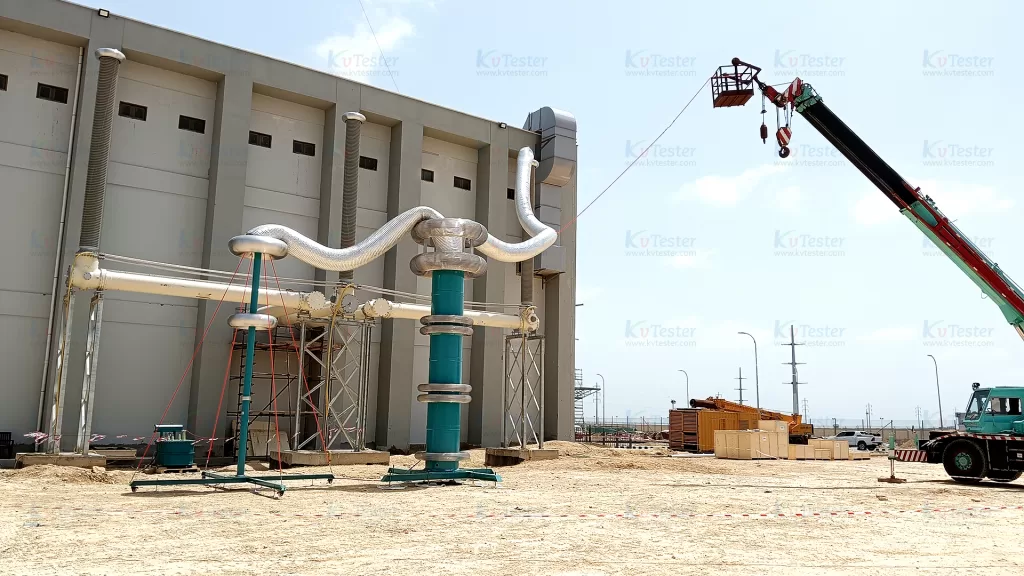
How do you select a series resonant withstand voltage test system? Key parameters to consider
2026-09-18How do you select a series resonant withstand voltage test system? Key parameters to consider Series resonant withstand voltage test systems are widely used for AC withstand voltage testing of electrical equipment such as power cables, GIS (Gas-Insulated Switchgear), transformers, and generators. For first-time buyers, the most common question is:… -

What causes unstable or fluctuating dielectric loss test data?
2026-09-10What causes unstable or fluctuating dielectric loss test data? During dielectric loss testing of high-voltage electrical equipment—such as transformers, bushings, instrument transformers, and CVTs—the tanδ value may sometimes fluctuate repeatedly, results from consecutive tests on the same specimen may be inconsistent, and even the capacitance reading may show some variation.… -
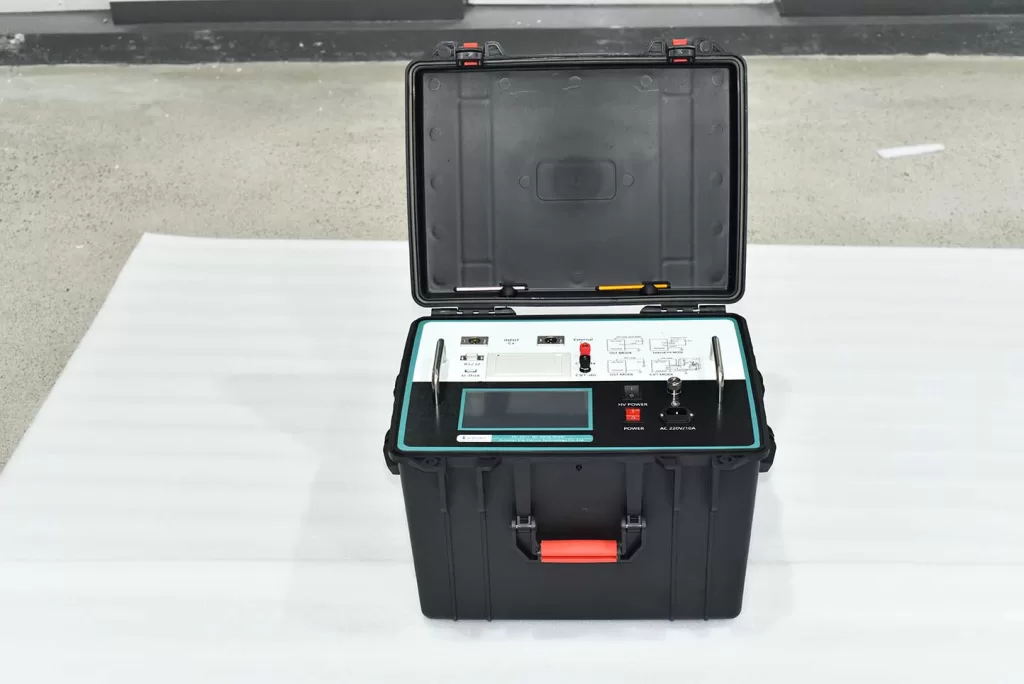
What causes high dielectric loss values? Common causes and troubleshooting approaches
2026-09-10What causes high dielectric loss values? Common causes and troubleshooting approaches In dielectric loss tests for high-voltage electrical equipment—such as transformers, bushings, instrument transformers, and CVTs—tanδ (or tgδ) is a key parameter for assessing insulation condition. If an unusually high dielectric loss value is observed during field testing, analysis should… -
What is the difference between the “normal connection” and “reverse connection” methods for dielectric loss testers?
2026-09-10What is the difference between the "normal connection" and "reverse connection" methods for dielectric loss testers? When performing dielectric loss tests on high-voltage electrical equipment using a dielectric loss tester, one frequently encounters two testing methods: "normal connection" (or forward connection) and "reverse connection." While both methods can measure the…