How Do Integrated Transformer Test Benches Improve Factory-Gate Testing Efficiency?
How Do Integrated Transformer Test Benches Improve Factory-Gate Testing Efficiency?
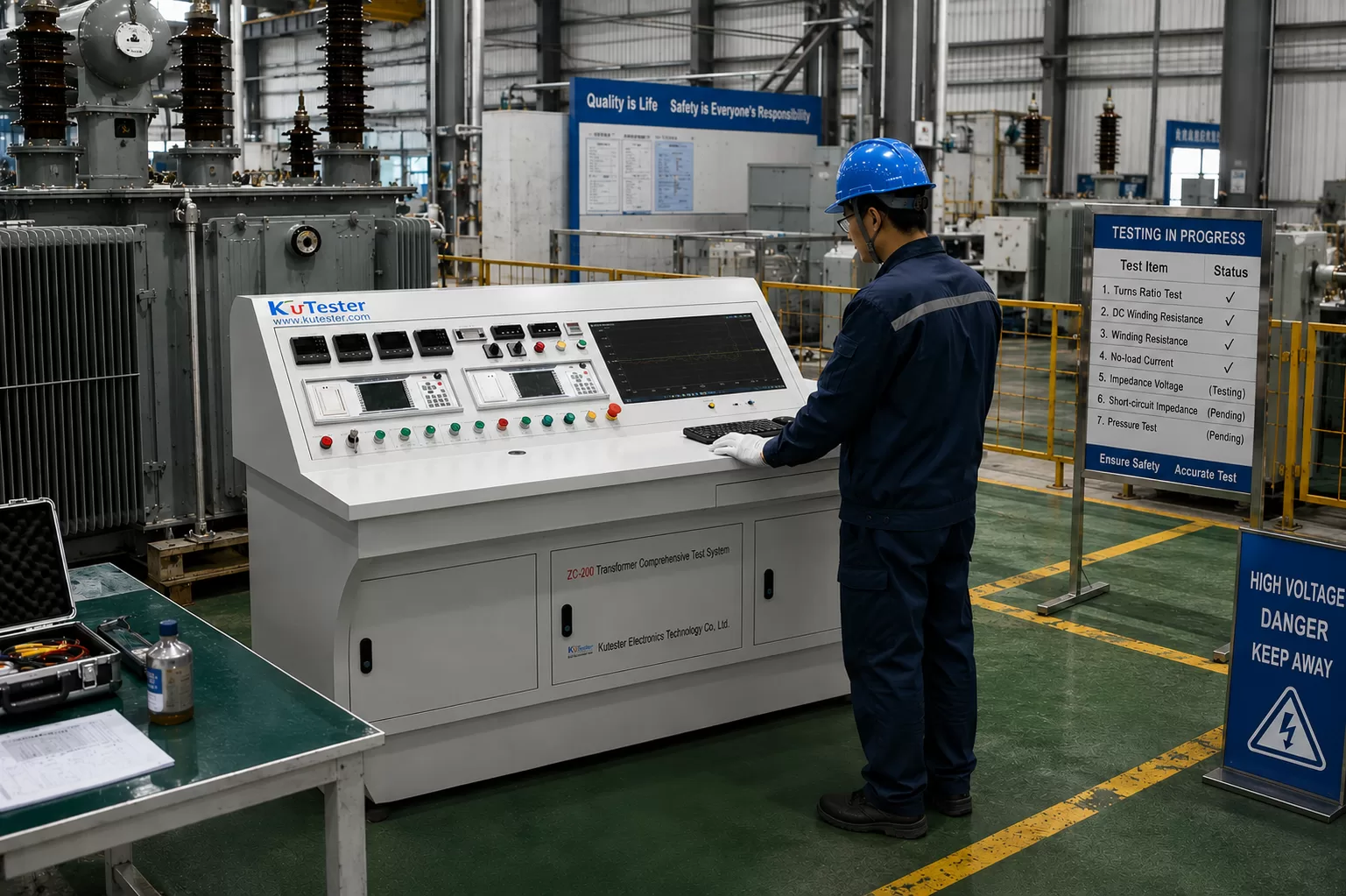
As the transformer manufacturing industry continues to evolve, manufacturers are facing increasingly stringent requirements regarding product quality and the efficiency of factory-gate testing. Traditional factory-gate testing often relies on multiple standalone instruments, leading to frequent equipment switching, complex wiring, and cumbersome data recording. Integrated transformer test benches address these challenges by consolidating various testing functions into a single system, providing manufacturers with a more efficient and standardized solution for factory-gate testing.
1. What Is an Integrated Transformer Test Bench?
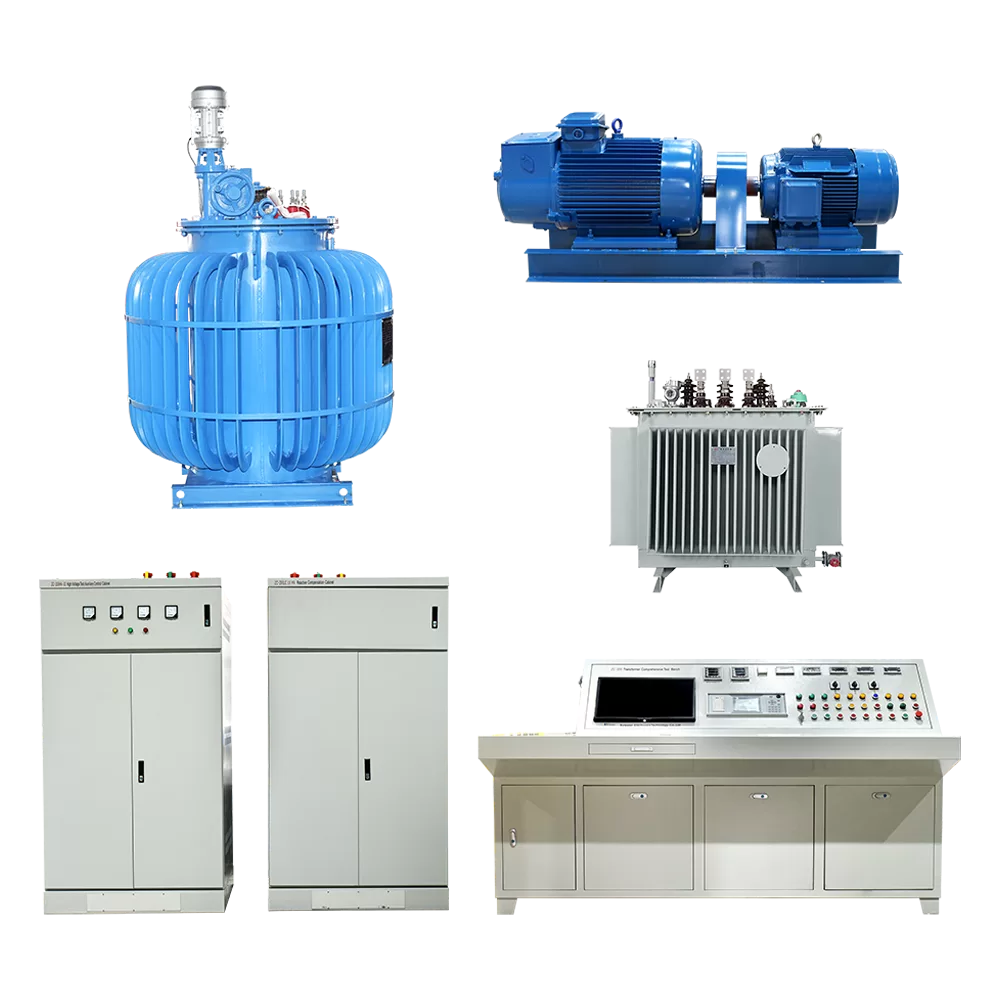
An integrated transformer test bench is a comprehensive system designed for factory-gate testing of transformers. It typically consists of a test power supply, measurement units, a control system, a data acquisition system, and various auxiliary equipment.
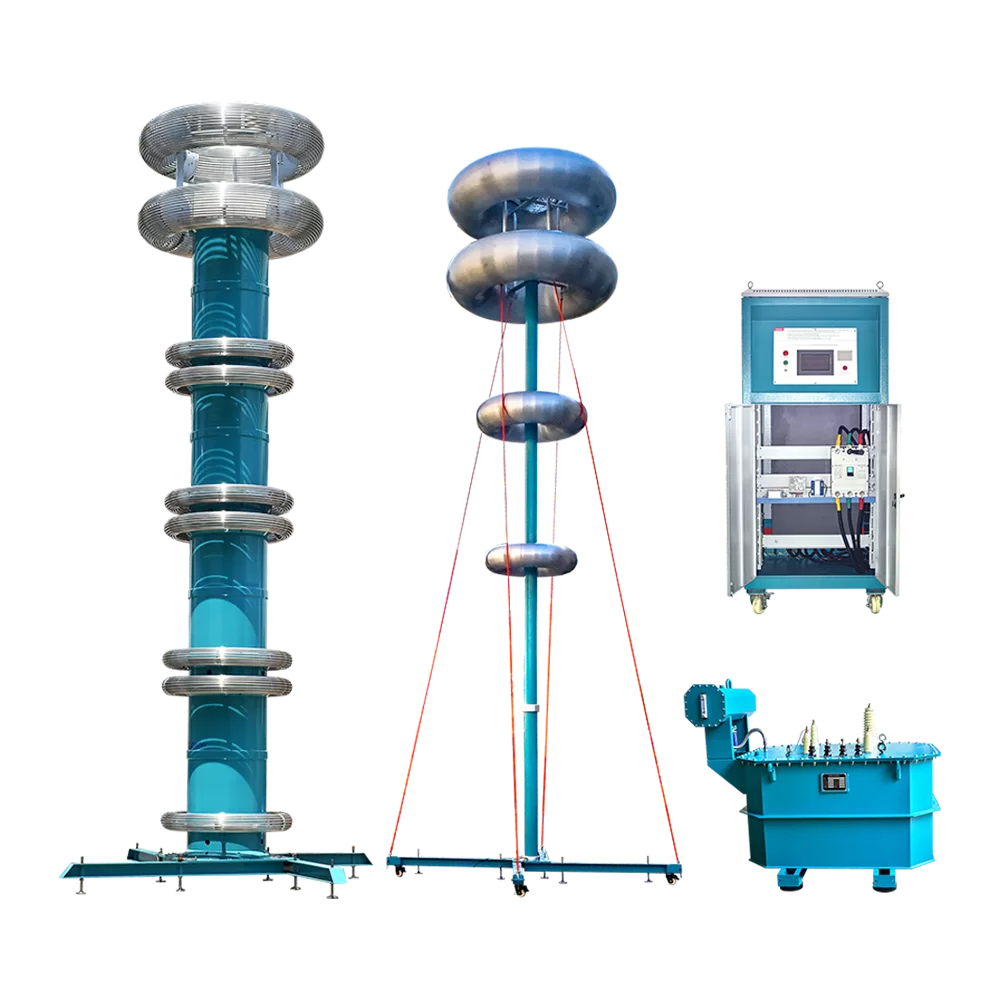
Depending on the configuration, it can perform tests such as no-load loss, load loss, short-circuit impedance, DC resistance, and transformer turns ratio/vector group verification. It can also be integrated with equipment for power-frequency withstand voltage tests and induced voltage withstand tests.
These systems are widely used by transformer manufacturers, power equipment producers, and third-party testing institutions.
2. How Do Integrated Test Benches Improve Factory-Gate Testing Efficiency?
①. Integration of Multiple Testing Functions to Minimize Equipment Switching
Traditional testing methods often require the use of separate instruments—such as DC resistance testers, turns ratio testers, and transformer loss analyzers. Constantly switching between these devices and reconfiguring wiring significantly increases preparation time.
Integrated test benches consolidate multiple testing functions based on specific requirements, reducing the need for equipment changes and repetitive tasks, thereby enhancing overall testing efficiency.
②. Automated Control to Reduce Manual Intervention
Modern integrated test benches are typically equipped with computer-based control systems that can automatically configure test parameters, manage the testing process, and collect data according to preset protocols.
Operators simply need to complete the initial wiring and test setup; the control system then executes the required tests. This minimizes manual intervention and ensures greater consistency across the testing process.
③. Automated Data Acquisition to Reduce Human Error in Recording
In traditional testing workflows, personnel must manually record data for various test parameters—a process prone to omissions or transcription errors. Integrated test benches can automatically collect and save test results. Some systems also support data querying, historical record management, and the generation of test reports, facilitating quality traceability for enterprises.
④. Optimizing test workflows and enhancing batch testing capacity
For enterprises engaged in the mass production of transformers, testing efficiency directly impacts product delivery lead times.
By rationally planning test items, optimizing wiring configurations, and employing centralized control systems, companies can reduce redundant preparatory work. This standardizes factory-acceptance testing across different transformer models and improves the overall operational efficiency of the test facility.
⑤. Improving the consistency of test data
Through unified measurement systems and standardized operating procedures, integrated test benches help minimize variations caused by different instruments or operators, providing reliable data to support quality control for transformer products.
3. What are the primary tests performed by an integrated transformer test bench?
Depending on the system configuration and specific testing requirements, common tests include:
① Measurement of transformer winding DC resistance;
② Verification of voltage ratio and vector group (connection group) designation;
③ Measurement of no-load loss and no-load current;
④ Measurement of load loss and short-circuit impedance;
⑤ Insulation resistance and withstand voltage (dielectric) tests.
Note that functional configurations vary between different integrated test benches; certain high-voltage tests may require dedicated, independent power sources and specialized equipment.
4. How should one select an appropriate integrated transformer test bench?
When purchasing such equipment, enterprises should focus on the following aspects:
① Scope of application: Determine the system configuration based on transformer capacity, voltage class, and product type.
② Testing functionality: Select the appropriate measurement modules based on the specific factory-acceptance tests required.
③ Level of automation: Evaluate features such as automated control, data acquisition, and report management.
④ Measurement accuracy: Ensure that the measurement performance meets relevant standards and testing requirements.
⑤ Expandability: Consider future needs, such as increased production capacity or the addition of new test items.
⑥ After-sales service: Assess the provider’s capabilities regarding equipment installation and commissioning, technical training, and long-term maintenance support.
5. Conclusion
By integrating multiple testing functions, automated control, and data management, a comprehensive transformer test bench effectively reduces the repetitive tasks inherent in traditional testing methods, thereby enhancing the efficiency of factory-acceptance testing for transformers.
For transformer manufacturers looking to boost production capacity and refine their quality management systems, the strategic implementation of a comprehensive test bench not only optimizes testing workflows but also provides robust support for ensuring product quality and meeting delivery schedules.
Related Products
Latest News
-
 2026-11-12PT Tester User Manual for Setup, Wiring and Testing
-
 2026-11-12CT PT Analyzer Excitation Testing for CT and PT Evaluation
-
 2026-11-12CVT PT Tester for Accurate Voltage Transformer Testing
-
 2026-11-12Testing Large Power Transformers with a Short Circuit Impedance Tester
-
 2026-11-11Digital CT PT Analyzer for Smarter Transformer Testing