What Key Parameters Should Be Evaluated When Purchasing a Transformer Comprehensive Test Bench?
What Key Parameters Should Be Evaluated When Purchasing a Transformer Comprehensive Test Bench?
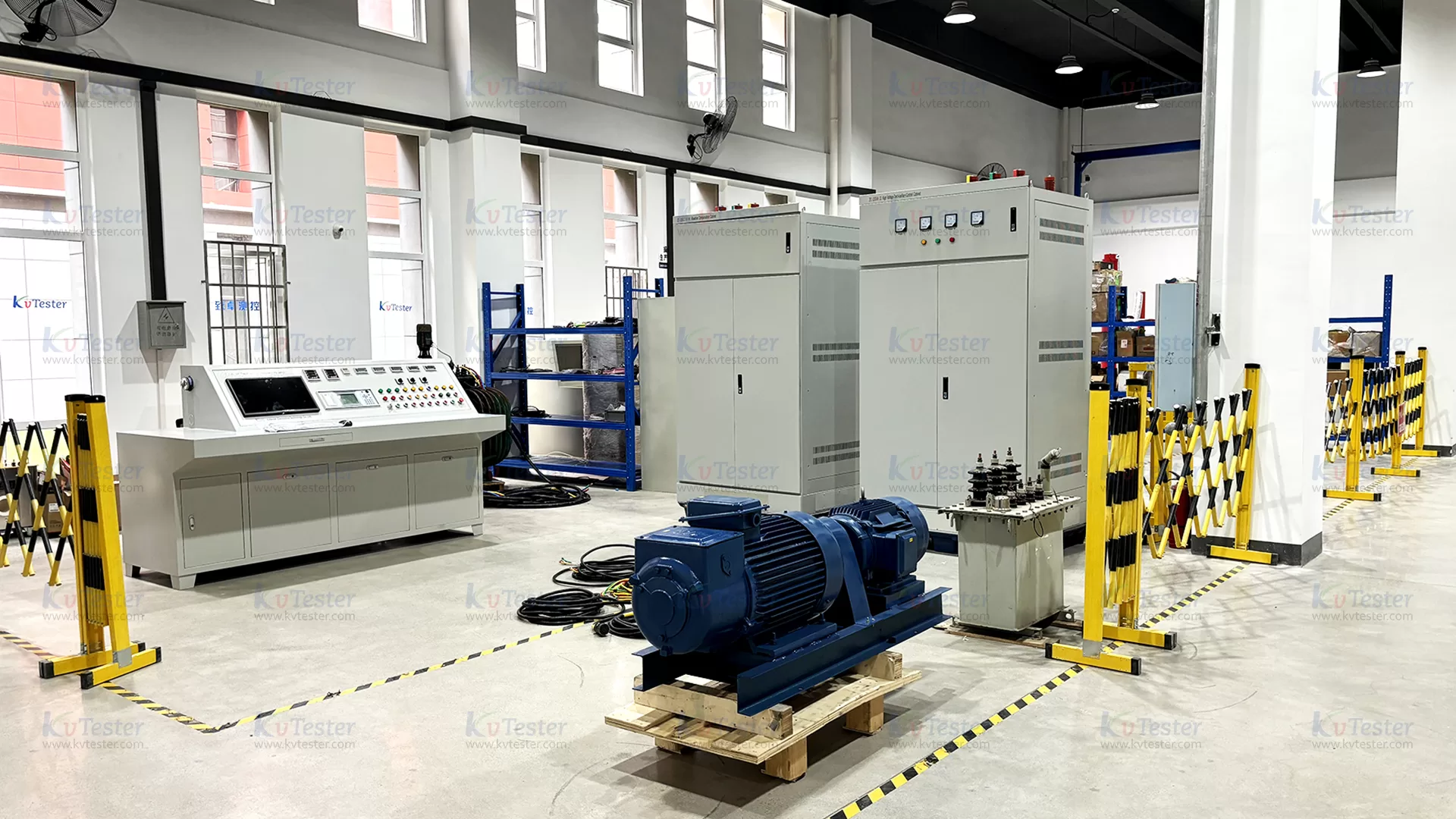
As the transformer manufacturing industry places increasing emphasis on product quality and testing efficiency, more and more manufacturers are adopting comprehensive test benches to replace traditional, decentralized testing equipment. However, there is significant variation among the comprehensive test benches offered by different suppliers in terms of testing capabilities, technical specifications, levels of automation, and system configurations. So, which parameters should be prioritized when purchasing such a system?
1. Test Items and Functional Configuration
This is the primary factor to consider. A well-rounded transformer comprehensive test system can be configured to include the following testing functions, depending on user requirements:
① Measurement of transformer winding DC resistance;
② Verification of voltage ratio and vector group (connection group) designation;
③ Measurement of no-load loss and no-load current;
④ Measurement of load loss and short-circuit impedance;
⑤ Measurement of insulation resistance;
⑥ Power-frequency withstand voltage and induced withstand voltage tests.
During procurement, it is essential to clarify whether each function is integrated into the main test bench or if it requires external, standalone equipment—this helps avoid future functional gaps or redundant purchases.
2. Test Voltage and Equipment Capacity
Test voltage and equipment capacity directly determine whether a comprehensive test bench can meet actual production requirements. Before purchasing, you must identify the maximum voltage rating, maximum capacity, and specific testing requirements of the transformers produced at your facility.
Key parameters to compare include:
① Applicable transformer voltage ratings;
② Maximum test capacity;
③ Output voltage of the test power supply;
④ Output current and power ranges;
⑤ Voltage and current adjustment ranges.
In particular, for no-load and load loss tests, the power supply and measurement system must be carefully selected based on the capacity, impedance, and specific testing conditions of the transformers under test.
3. Measurement Accuracy and Range
The measurement performance of a comprehensive test bench directly impacts the reliability of factory test data. Key aspects to focus on include:
① Voltage measurement accuracy;
② Current measurement accuracy;
③ Power and power factor measurement accuracy;
④ DC resistance measurement range and accuracy;
⑤ Turns ratio measurement range and accuracy;
⑥ Data resolution and repeatability.
When purchasing, do not rely solely on the “highest accuracy” figures advertised by the manufacturer; instead, request detailed technical specifications for each measurement parameter, along with relevant verification or calibration documentation.
4. Level of Automation and Software Functionality
For companies engaged in mass-producing transformers, the level of automation is a critical factor affecting testing efficiency.
Key features to compare include:
① Support for automated computer control;
② Ability to configure custom test sequences;
③ Automated data acquisition capabilities;
④ Historical data retrieval;
⑤ Automatic generation and export of test reports;
⑥ Management of test protocols for different transformer models.
Systems with a high degree of automation reduce the need for manual intervention and data recording, thereby increasing the efficiency of batch testing.
5. Safety and Protection Features
Transformer comprehensive test benches involve high voltages and high currents, making safety and protection features essential.
When purchasing, ensure the system includes overcurrent protection, overvoltage protection, emergency stop functions, safety interlocks for the test area, grounding protection, and high-voltage discharge mechanisms. For high-voltage testing zones, site-specific safety measures—such as protective fencing, access-controlled interlocks, and audible/visual alarm systems—should also be implemented.
6. Expandability and After-Sales Service
As a company’s production capacity and product range grow, there may be a need to expand the testing capabilities of existing equipment.
Therefore, verify whether the system supports the addition of functional modules, software upgrades, and the integration of other testing equipment. Furthermore, evaluate the manufacturer’s after-sales support, including equipment installation and commissioning, operator training, ongoing technical assistance, maintenance services, and support for metrological calibration.
7. Conclusion
When purchasing a transformer comprehensive test bench, one should not focus exclusively on price or a single technical parameter. Instead, a holistic evaluation is required—considering testing functionality, test capacity, measurement accuracy, the level of automation, safety and protection features, and after-sales service. It is recommended that transformer manufacturers select a comprehensive testing system—featuring a rational configuration, reliable performance, and strong scalability—tailored to their specific product specifications, production capacity, and future development needs. This will help improve the efficiency of factory acceptance testing and ensure product quality.
If you are planning a transformer testing laboratory or looking to procure a comprehensive transformer test bench, please contact us. We can provide a customized equipment configuration based on your transformers’ capacity, voltage ratings, and required factory test protocols.
Related Products
Latest News
-
 2026-11-13How Do Integrated Transformer Test Benches Improve Factory-Gate Testing Efficiency?
-
 2026-11-12PT Tester User Manual for Setup, Wiring and Testing
-
 2026-11-12CT PT Analyzer Excitation Testing for CT and PT Evaluation
-
 2026-11-12CVT PT Tester for Accurate Voltage Transformer Testing
-
 2026-11-12Testing Large Power Transformers with a Short Circuit Impedance Tester