What testing instruments are required for the handover testing of 10kV transformers?
What testing instruments are required for the handover testing of 10kV transformers?
Before a 10kV distribution transformer is officially put into operation following installation, it must undergo handover testing in accordance with relevant standards. This process evaluates the electrical performance of the transformer windings, insulation system, and associated accessories to ensure the equipment meets the requirements for safe operation.
For power engineering firms, transformer manufacturers, and electrical testing organizations, the proper selection and configuration of testing instruments are essential for improving on-site testing efficiency and ensuring the accuracy of test data. So, what instruments are needed for 10kV transformer handover testing?
1. Transformer DC Resistance Tester
Primarily used to measure the DC resistance of the transformer’s high- and low-voltage windings, this instrument helps verify the quality of winding connections and welded joints, as well as the contact integrity of the tap changer.
When selecting a unit, consider factors such as the test current range, measurement accuracy, automatic discharge capability, and testing efficiency. For transformers equipped with tap changers, ensure the instrument can accommodate testing at all tap positions.
2. Transformer Turns Ratio and Vector Group Tester
Used to measure the voltage ratio at each tap position and to verify that the vector group (connection configuration) of the three-phase windings aligns with the design specifications.
It is advisable to choose an instrument that supports three-phase automatic testing, calculates ratio errors, identifies vector groups, and stores data, facilitating rapid on-site testing.
3. Insulation Resistance Tester
Used to measure the insulation resistance between the high- and low-voltage windings, between the windings and the ground, and between the transformer core and its clamping components.
According to the GB 50150-2016 standard, a 2500V or 5000V megohmmeter is appropriate for testing the insulation resistance of windings in 10kV-class equipment, while a 2500V megohmmeter is used for the core and clamping components.
Therefore, it is recommended to use a digital insulation resistance tester that offers the necessary test voltages and measurement ranges.
4. Power-Frequency Withstand Voltage Test Set
The AC withstand voltage test is a critical component of transformer handover testing, primarily used to verify the electrical strength of the main winding insulation. For a transformer with a nominal system voltage of 10 kV and a maximum equipment voltage of 12 kV, the AC withstand test voltage is 28 kV, typically applied for a duration of 1 minute, in accordance with Appendix D of the GB 50150-2016 standard.
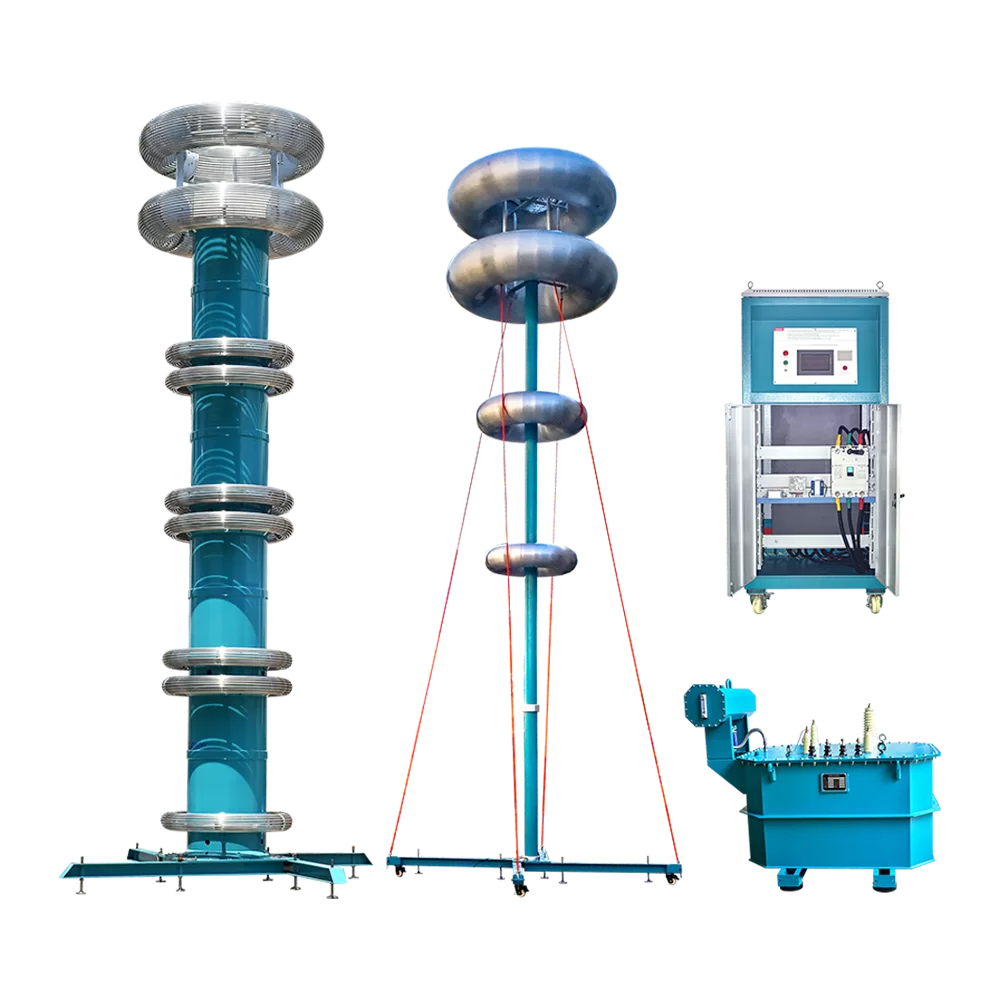
When selecting a power-frequency withstand voltage test set, key factors to consider include output voltage, rated capacity, current range, and overvoltage protection, ensuring the equipment meets on-site testing requirements.
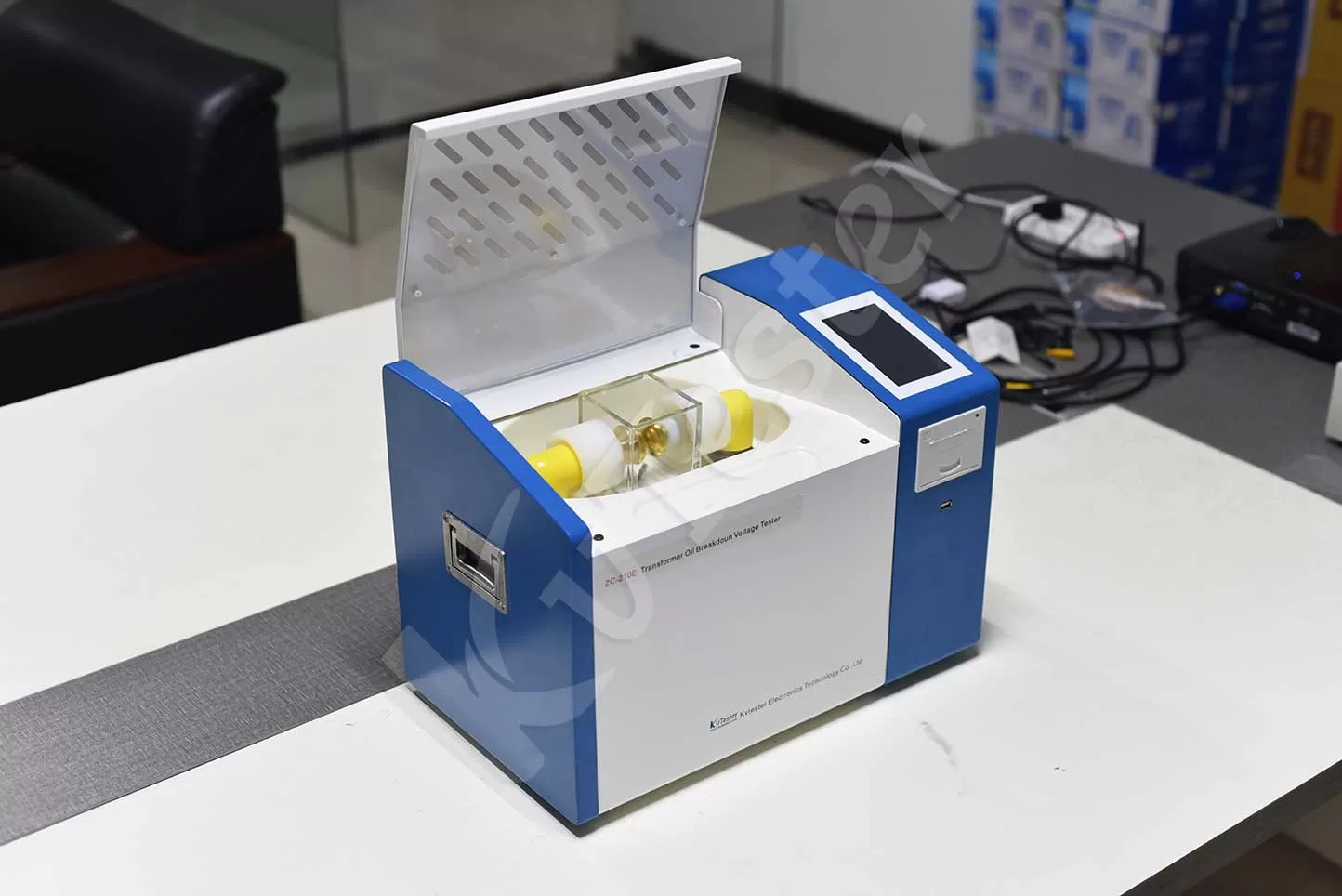
5. Insulating Oil Breakdown Voltage Tester
For oil-immersed 10 kV distribution transformers, it is necessary to conduct oil testing based on the specific test category and acceptance criteria.
An insulating oil breakdown voltage tester is primarily used to measure the breakdown voltage of insulating oil, helping to assess the impact of factors such as moisture and impurities on the oil’s insulating properties.
When procuring such a device, consider the voltage-rise rate, measurement accuracy, oil cup design, and automated testing capabilities.
6. Other Auxiliary Testing Equipment
In addition to the primary instruments mentioned above, depending on the transformer’s construction and project acceptance requirements, the following equipment may also be needed:
① On-load tap-changer (OLTC) test equipment: Used for inspections and tests related to on-load voltage-regulating switches.
② Phase sequence indicator (phasing meter): Used to verify that the transformer’s phases align with those of the power grid.
③ Transformer winding deformation test equipment: Used to detect winding deformation when required by project specifications or condition assessment protocols.
④ Grounding resistance tester: Used for testing the grounding system, which is a standard requirement for grounding acceptance in engineering projects.
7. How should test equipment for 10 kV transformers be configured?
For standard 10 kV distribution transformers, the following equipment is recommended as a priority:
① Transformer DC resistance tester;
② Transformer turns ratio and vector group tester;
③ 2500 V or 5000 V insulation resistance tester (megohmmeter);
④ Power-frequency withstand voltage test set.
If the scope includes oil-immersed transformers, an insulating oil breakdown voltage tester should also be included to meet acceptance requirements.
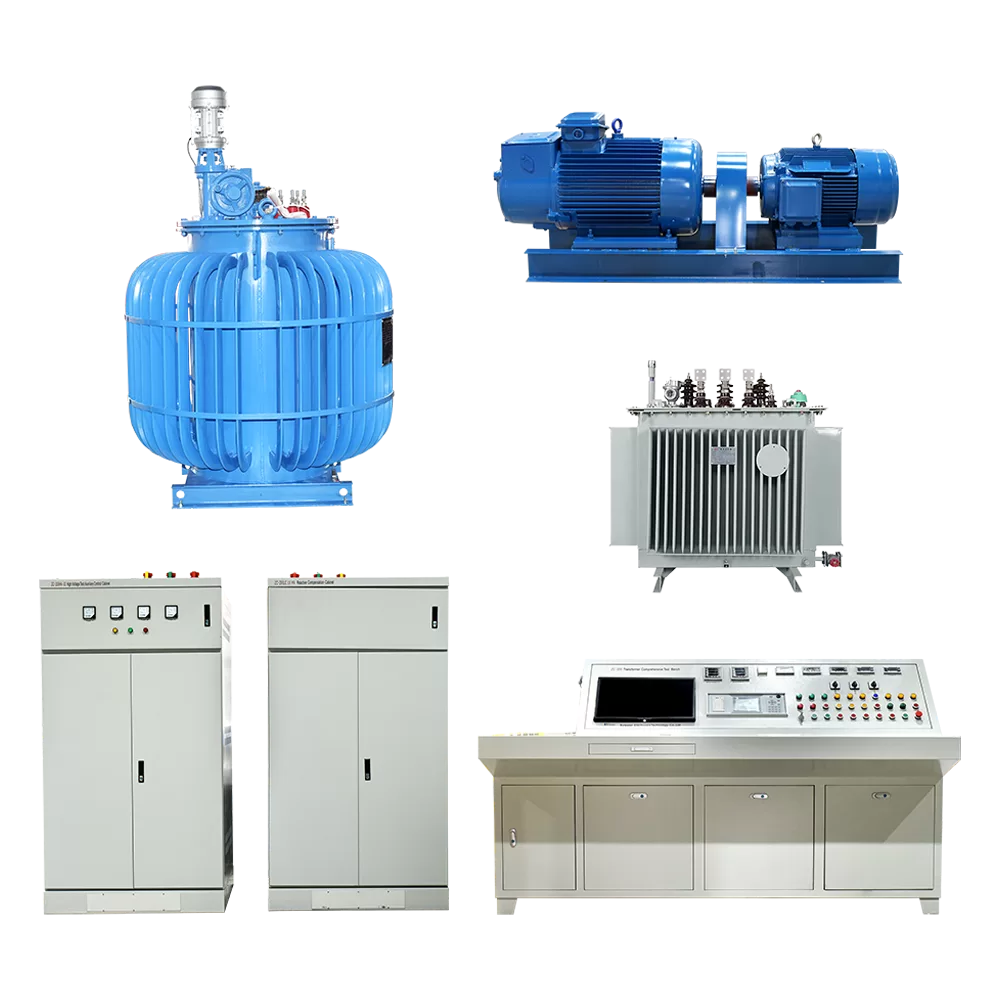
For professional testing organizations that handle a broader range of test items, integrated testing systems can be adopted to improve the efficiency of data acquisition and test management.
8.Conclusion
Handover testing for 10kV transformers encompasses various diagnostic procedures, including DC resistance measurement, transformer turns ratio and vector group verification, insulation resistance testing, and AC withstand voltage testing. The specific equipment required varies depending on the type of transformer.
Selecting appropriate professional testing instruments and conducting tests in strict accordance with national standards and on-site safety protocols can significantly enhance testing efficiency, ensuring the safe commissioning and operation of 10kV distribution transformers.
Related Products
Latest News
-
 2026-11-13Acceptance Testing Standards and Procedures for 10kV Distribution Transformers
-
 2026-11-13What tests are required for the grid-connection acceptance of distribution transformers?
-
 2026-11-13What Key Parameters Should Be Evaluated When Purchasing a Transformer Comprehensive Test Bench?
-
 2026-11-13How Do Integrated Transformer Test Benches Improve Factory-Gate Testing Efficiency?
-
 2026-11-12PT Tester User Manual for Setup, Wiring and Testing