Home » News » Technical Support »
News Relevant information about Kvtester
-
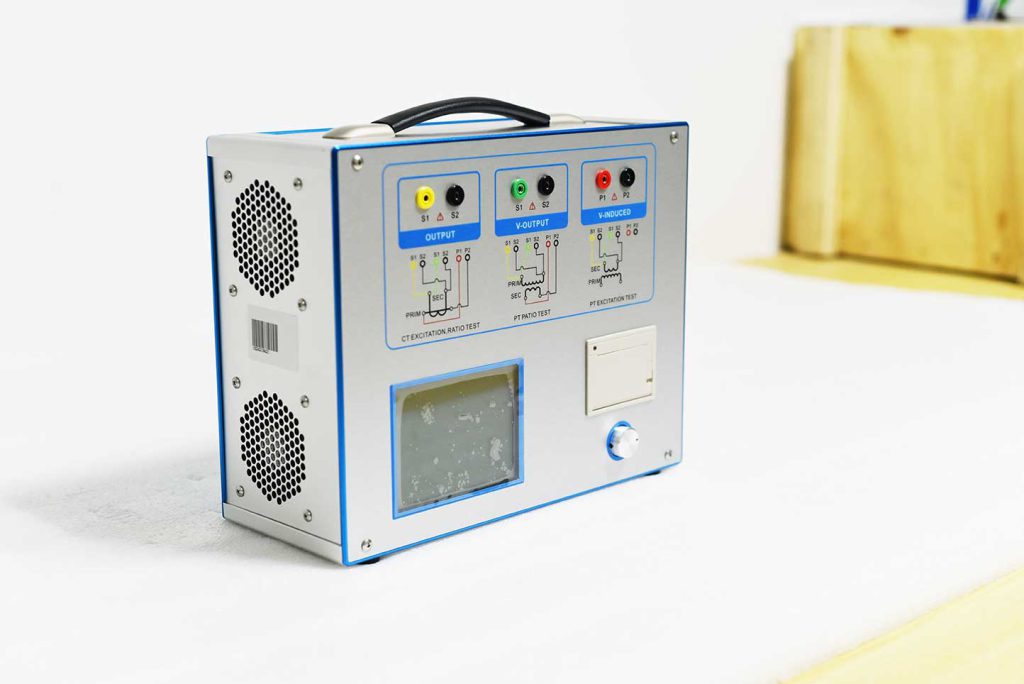
A Brief Explanation of the Comprehensive Tester for Variable Frequency Transformers
2025-05-07 -
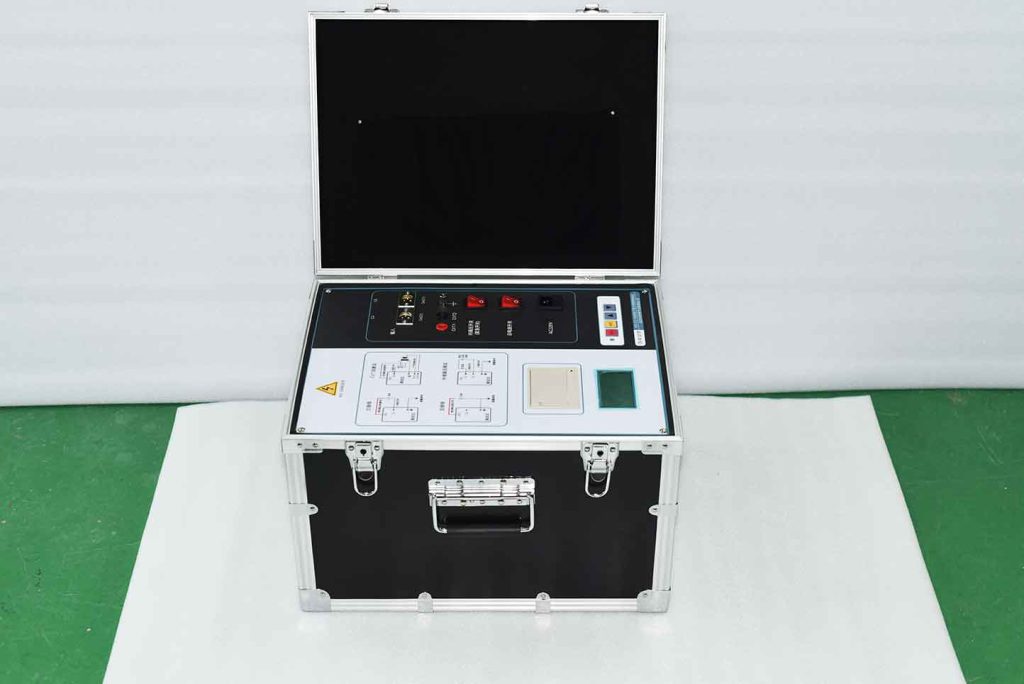
Advantages and disadvantages analysis of fully automatic anti-interference dielectric loss tester
2025-03-24 -
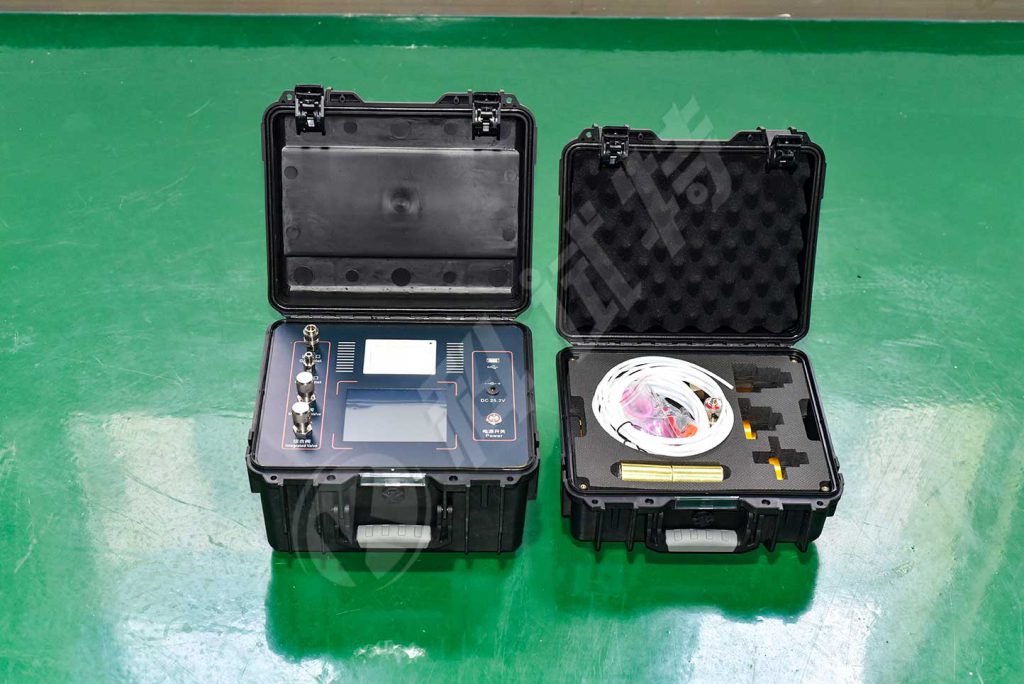
Advantages and Disadvantages of SF6 Comprehensive Tester
2024-11-18 -

Advantages and disadvantages of underground pipeline detectors
2025-01-10 -
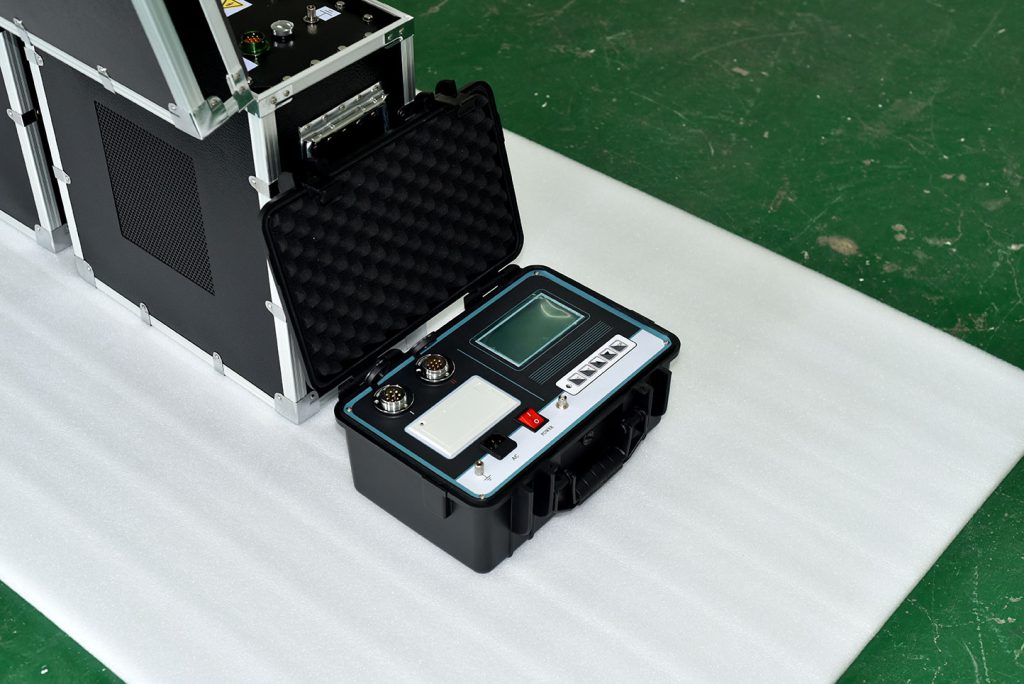
Advantages of ultra-low frequency and high voltage generator products
2024-04-03
-
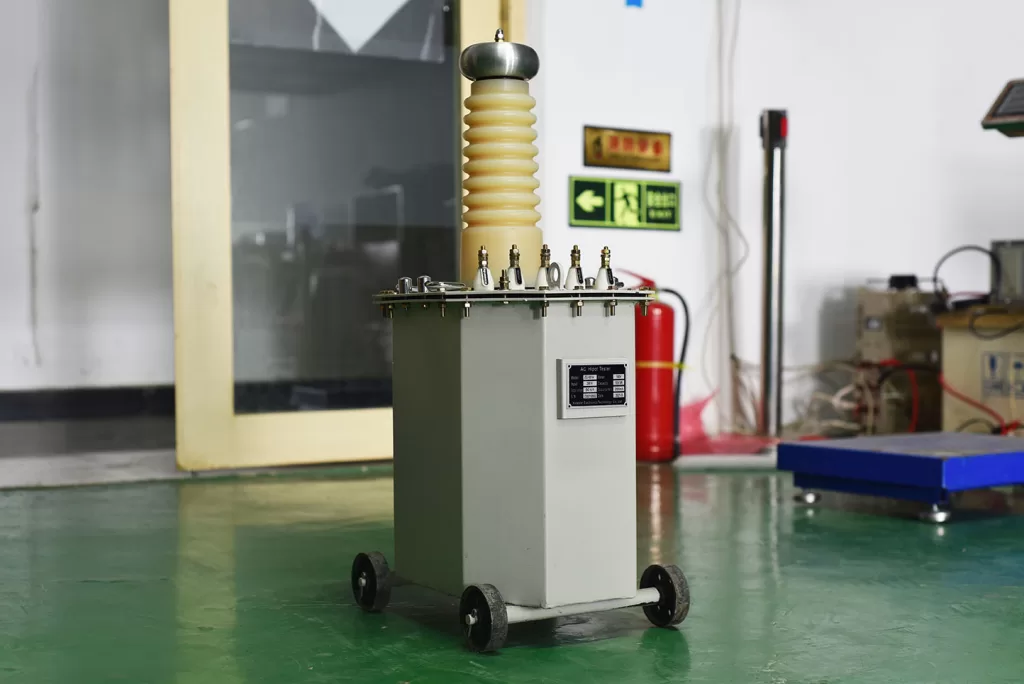
What are the differences in test items between dry-type and oil-immersed transformers?
2026-10-30What are the differences in test items between dry-type and oil-immersed transformers? Dry-type and oil-immersed transformers are two common types of power distribution equipment used in electrical systems. They differ significantly in terms of insulating media, cooling methods, and structural design; consequently, their test items and inspection requirements also vary.… -

What are the differences in equipment configuration for comprehensive test benches designed for 10kV, 20kV, and 35kV transformers?
2026-10-30What are the differences in equipment configuration for comprehensive test benches designed for 10kV, 20kV, and 35kV transformers? While the fundamental testing principles for 10kV, 20kV, and 35kV transformer comprehensive test benches are the same—all capable of performing tests such as no-load loss, load loss, short-circuit impedance, DC winding resistance,… -
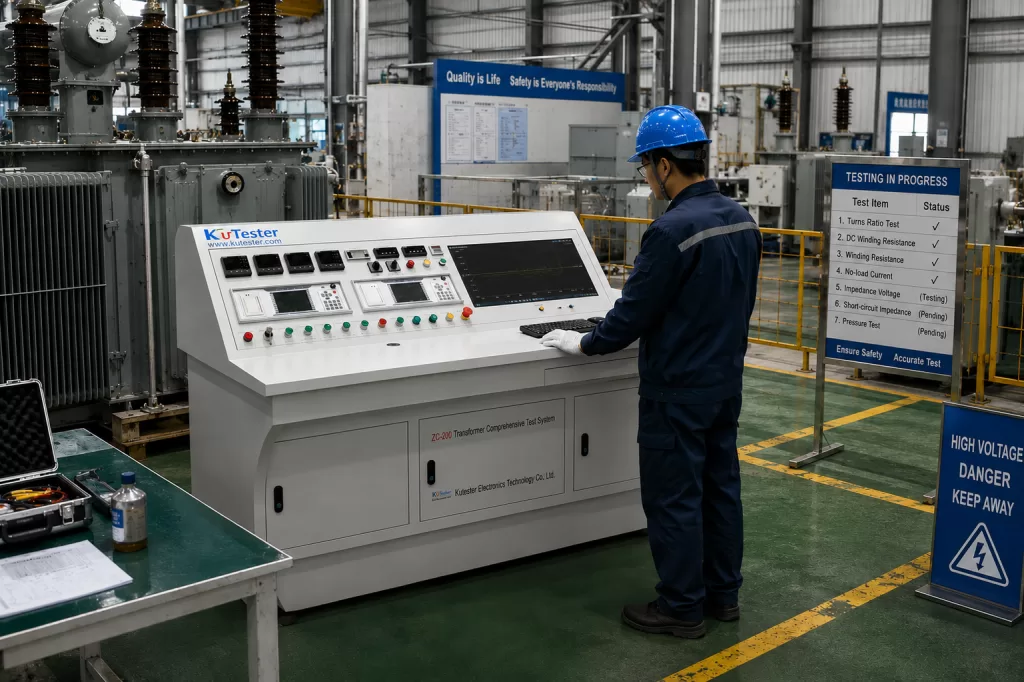
How to Choose the Right Transformer Comprehensive Test Bench?
2026-10-30How to Choose the Right Transformer Comprehensive Test Bench? A transformer comprehensive test bench is an integrated testing system that combines test power supplies, measurement and data acquisition, control and protection, and data management. It is widely used for factory acceptance testing, maintenance testing, and the inspection of power equipment.… -
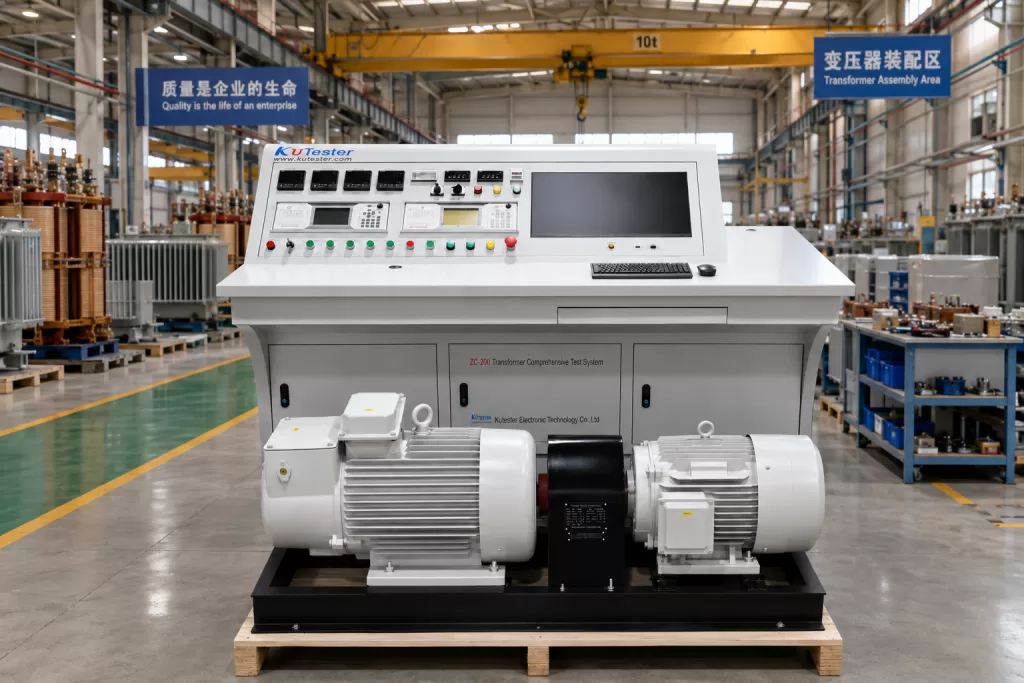
What factors affect the accuracy of transformer test results?
2026-10-30What factors affect the accuracy of transformer test results? Transformer testing encompasses various procedures, including measurements of DC resistance, turns ratio, insulation resistance, dielectric loss, no-load loss, load loss, and withstand voltage. While the underlying principles vary by test, the accuracy of the results is generally influenced by factors such… -
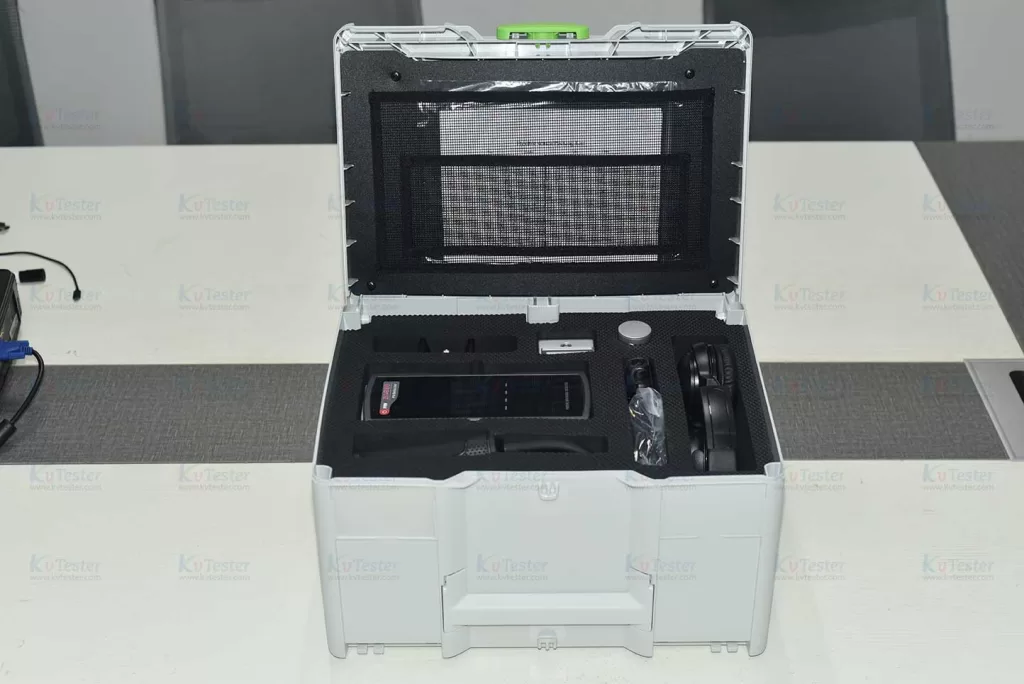
What is the basic principle of partial discharge testing?
2026-10-30What is the basic principle of partial discharge testing? Partial discharge (PD) testing is a critical diagnostic procedure for assessing the insulation of high-voltage electrical equipment, primarily used to identify localized defects within or on the surface of the insulation. Unlike a complete insulation breakdown, a partial discharge occurs only… -
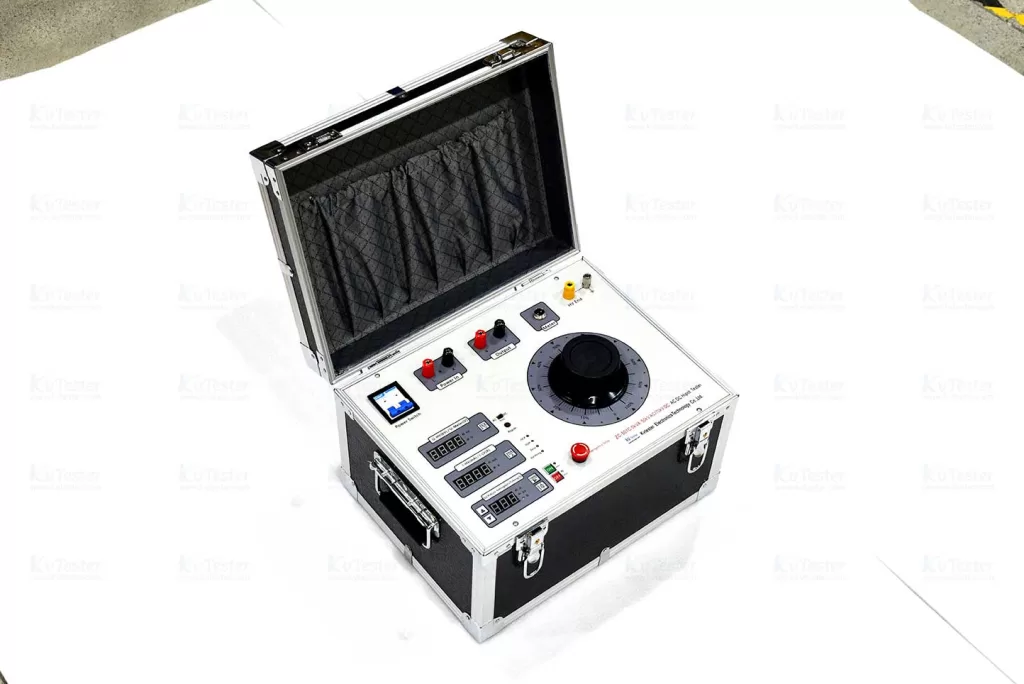
How can damage to a transformer during a withstand voltage test be avoided?
2026-10-23How can damage to a transformer during a withstand voltage test be avoided? A power-frequency withstand voltage test serves as a direct assessment of a transformer's main insulation integrity. However, since the test voltage is typically higher than the equipment's normal operating voltage, improper test conditions can impose unnecessary electrical… -
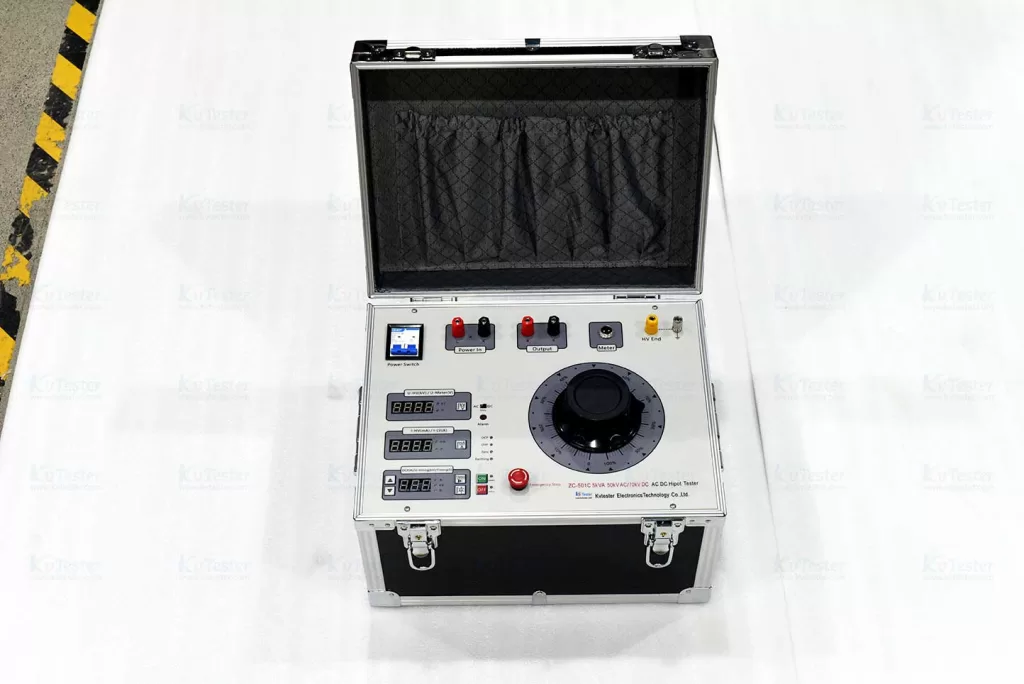
What is the purpose of a power-frequency withstand voltage test?
2026-10-23What is the purpose of a power-frequency withstand voltage test? The power-frequency withstand voltage test is a key component of insulation testing for power equipment. It is primarily used to assess the insulation strength of transformers, cables, instrument transformers, switchgear, and other high-voltage electrical equipment. The test determines whether the… -
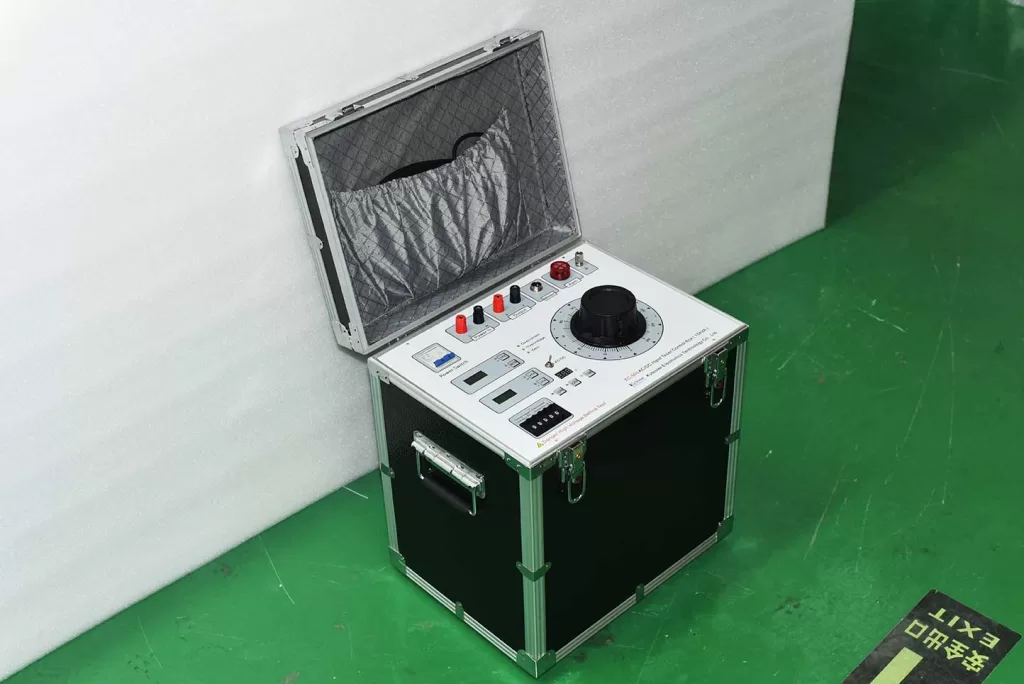
How to Select the Appropriate Capacity of a High-Voltage Test Transformer
2026-10-23How to Select the Appropriate Capacity of a High-Voltage Test Transformer A high-voltage test transformer is commonly used in power-frequency AC withstand voltage testing. When selecting a test transformer, it is essential to consider not only the required test voltage but also the test current and apparent power demanded by… -

How can measurement errors in no-load tests be minimized?
2026-10-16How can measurement errors in no-load tests be minimized? Transformer no-load tests are primarily conducted to measure no-load loss and no-load current. Due to the low magnitude of no-load current and the low power factor, test results are susceptible to factors such as power supply quality, instrument accuracy, wiring configuration,… -
Why is the no-load test on a transformer typically conducted by applying voltage to the low-voltage side?
2026-10-16Why is the no-load test on a transformer typically conducted by applying voltage to the low-voltage side? The no-load test of a transformer is primarily used to measure no-load current and no-load loss, which helps in analyzing the magnetic circuit of the iron core and the quality of construction. In…