What tests are required for the grid-connection acceptance of distribution transformers?
What tests are required for the grid-connection acceptance of distribution transformers?
Distribution transformers are critical electrical components in power distribution systems; their operational quality directly impacts the reliability of power supply and the safety of electricity usage. Before newly installed distribution transformers are officially put into service, they must undergo “handover tests” in accordance with relevant standards and the acceptance requirements of the power utility. These tests verify that the equipment’s electrical performance, insulation status, and installation quality meet the specified requirements.
So, what specific tests are required for the grid-connection acceptance of distribution transformers, and what electrical testing equipment is needed?
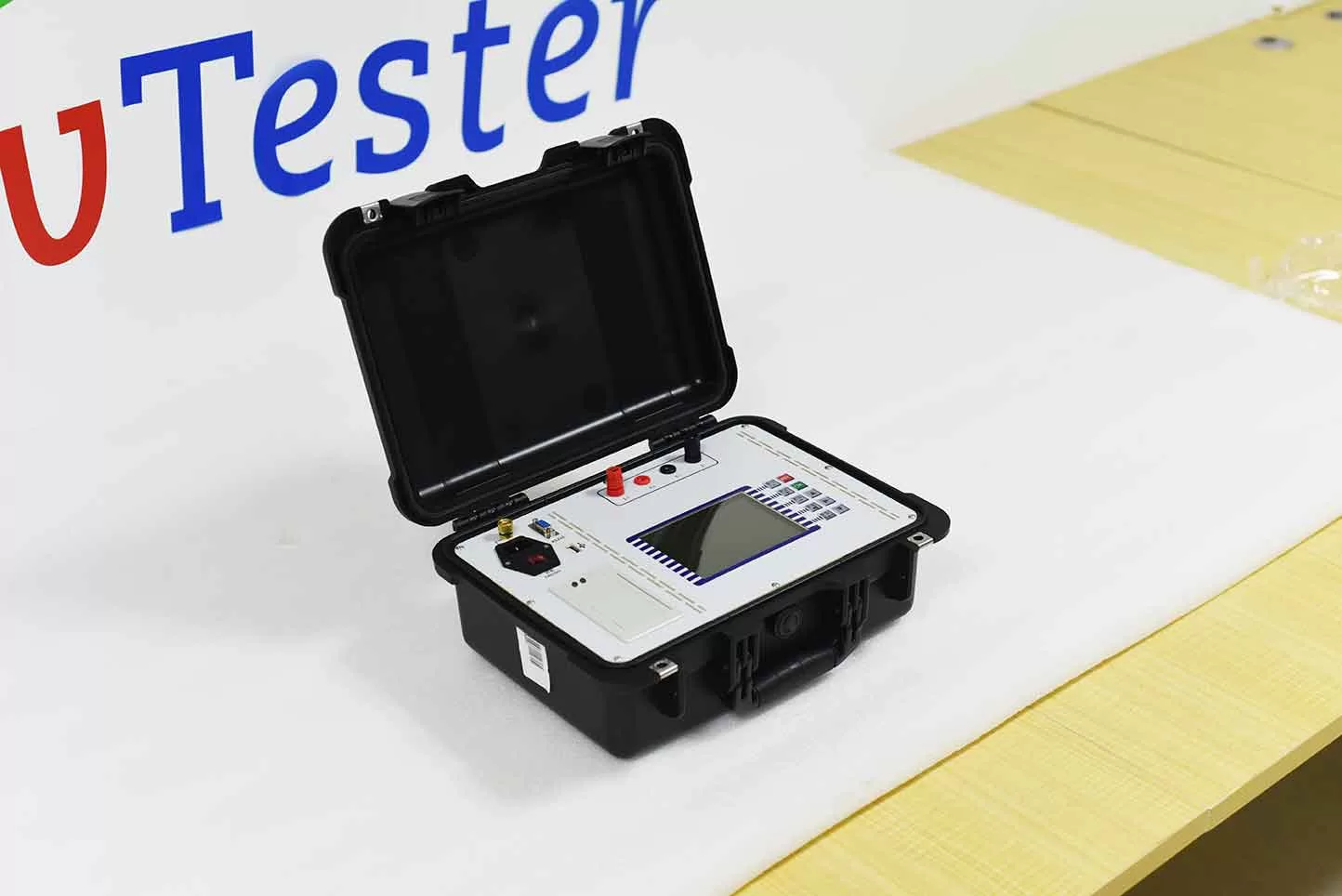
1. Winding DC Resistance Test
The DC resistance test is a key component of the handover testing for distribution transformers. It is primarily used to verify the quality of connections and welds within the winding conductors, as well as the contact status of the tap changer.
By comparing the resistance values across the three phases and across different tap positions, one can identify potential issues such as abnormal winding connections or poor contact.
Recommended equipment: Transformer DC resistance tester.
2. Voltage Ratio and Vector Group Test
This test is used to verify the voltage ratio at various tap positions and to ensure that the vector group (connection configuration) of the three-phase windings aligns with the design specifications.
Through this test, issues such as an incorrect number of winding turns, improper tap settings, or wiring errors can be detected, ensuring that the transformer’s voltage transformation characteristics meet the design requirements.
Recommended equipment: Transformer turns ratio and vector group tester.
3. Insulation Resistance and Absorption Ratio Test
Insulation resistance testing is used to assess the insulation integrity between the high-voltage and low-voltage windings, as well as between the windings and the ground.
For applicable transformers, the absorption ratio or polarization index is also measured to help determine whether the insulation has been compromised by moisture or aging.
Recommended equipment: Digital insulation resistance tester (megohmmeter).
4. Transformer Insulating Oil Test
For oil-immersed distribution transformers, specific tests on the insulating oil must be conducted based on the equipment type and acceptance criteria.
Common tests include the breakdown voltage test for the insulating oil; depending on requirements, additional tests—such as moisture content analysis, dielectric loss measurement, and other performance evaluations—may also be necessary. These tests provide a basis for evaluating the quality and insulating properties of insulating oil.
Recommended equipment: Insulating oil dielectric strength tester.
5. AC Withstand Voltage Test
The AC withstand voltage test is primarily used to verify the electrical strength of the main insulation of transformer windings and to ensure that the insulation structure can withstand the specified test voltage.
The test voltage and duration should be determined based on the transformer’s voltage class, insulation level, and applicable standards.
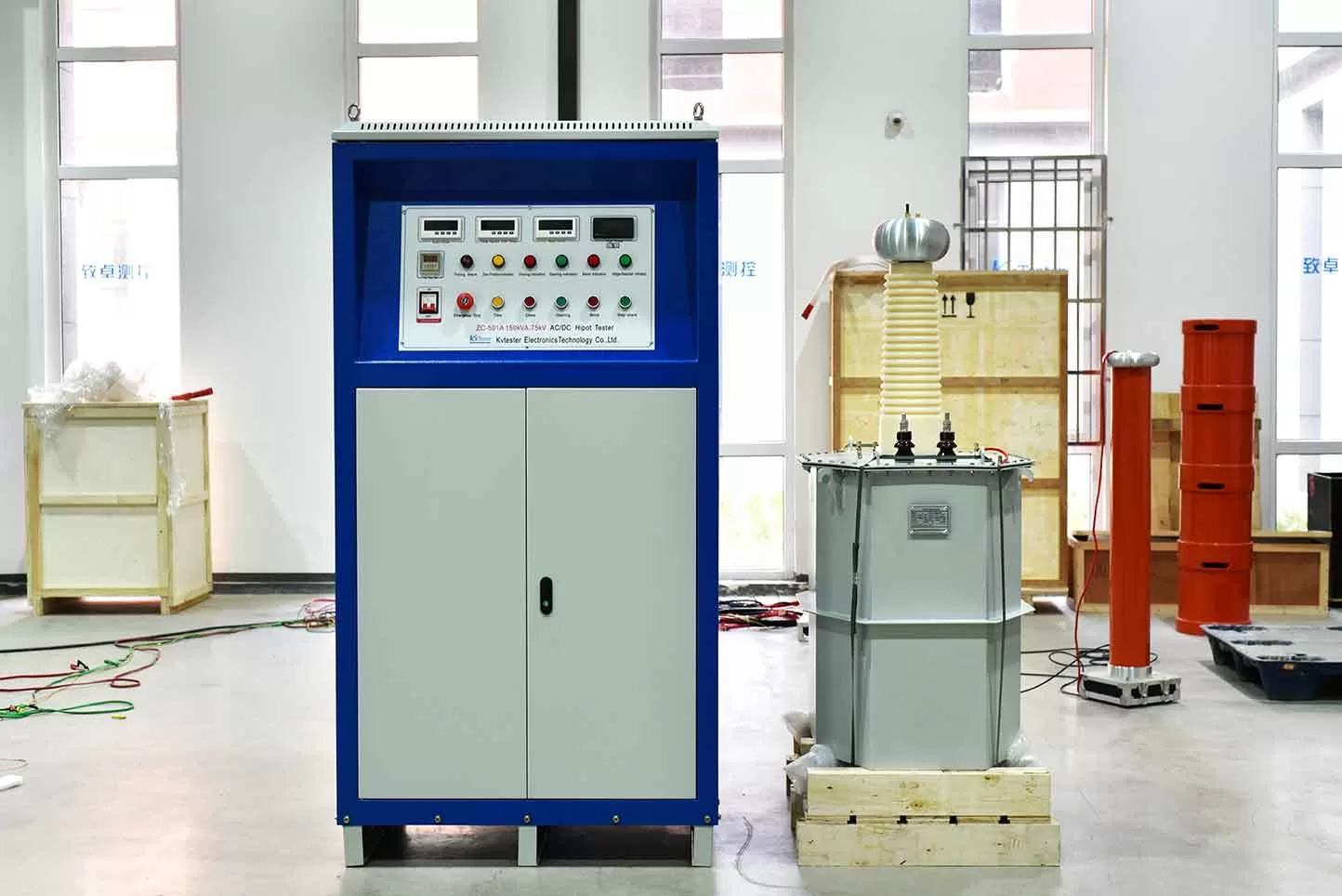
Recommended equipment: Power-frequency withstand voltage test system.
6. Other Inspections and Tests
In addition to the primary tests mentioned above, the grid-connection acceptance of distribution transformers may also include:
① Measurement of insulation resistance for the core and clamping components;
② Inspection and testing of on-load tap changers (where applicable);
③ Inspection of bushings and related accessories;
④ Transformer winding deformation testing (as required);
⑤ Inspection of protection devices, grounding systems, and auxiliary circuits;
⑥ Phase verification and impulse energization tests at rated voltage.
The specific tests to be performed should be determined based on the transformer type, capacity, voltage class, engineering design, and the acceptance requirements of the power utility.
7. What testing equipment is required for the grid-connection acceptance of distribution transformers?
For organizations engaged in distribution transformer testing and power engineering acceptance, it is recommended to acquire the following equipment based on their specific operational needs:
① Transformer DC resistance tester;
② Transformer turns ratio and vector group tester;
③ Insulation resistance tester;
④ Insulating oil dielectric strength tester;
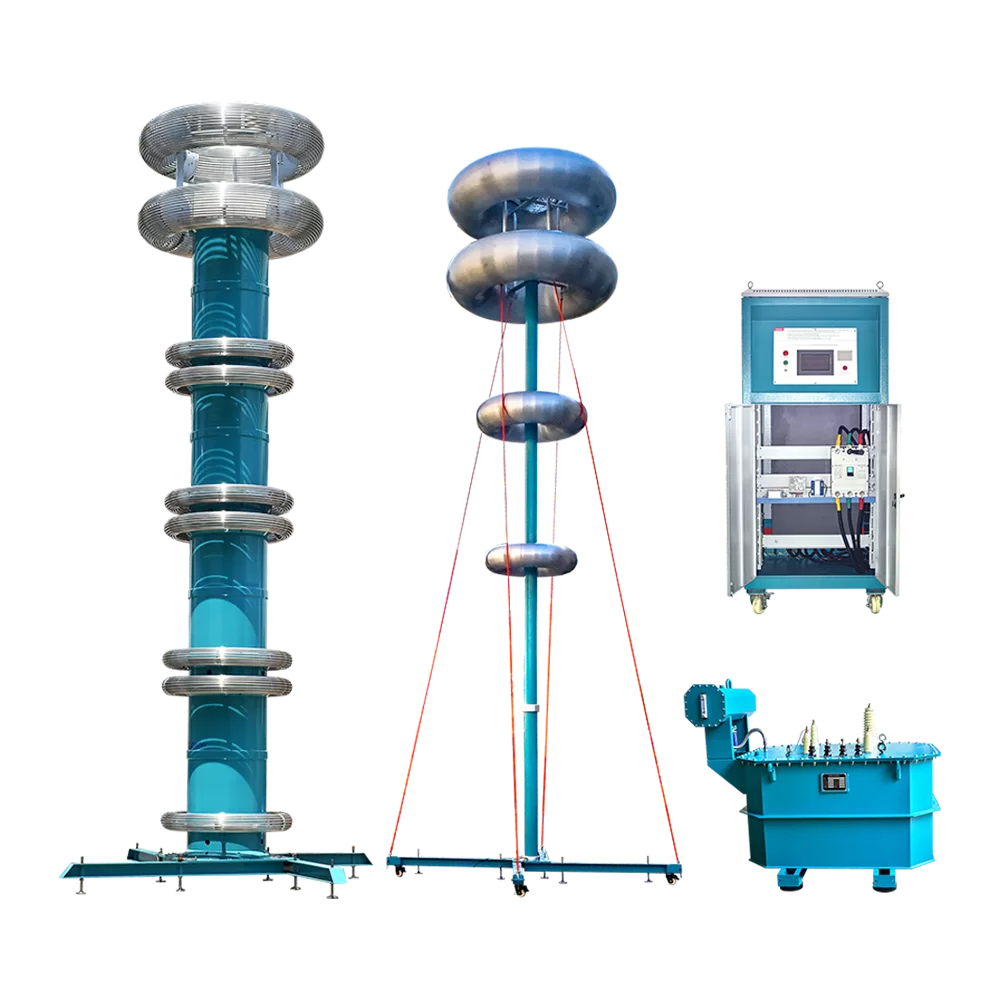
⑤ Power-frequency withstand voltage test system;
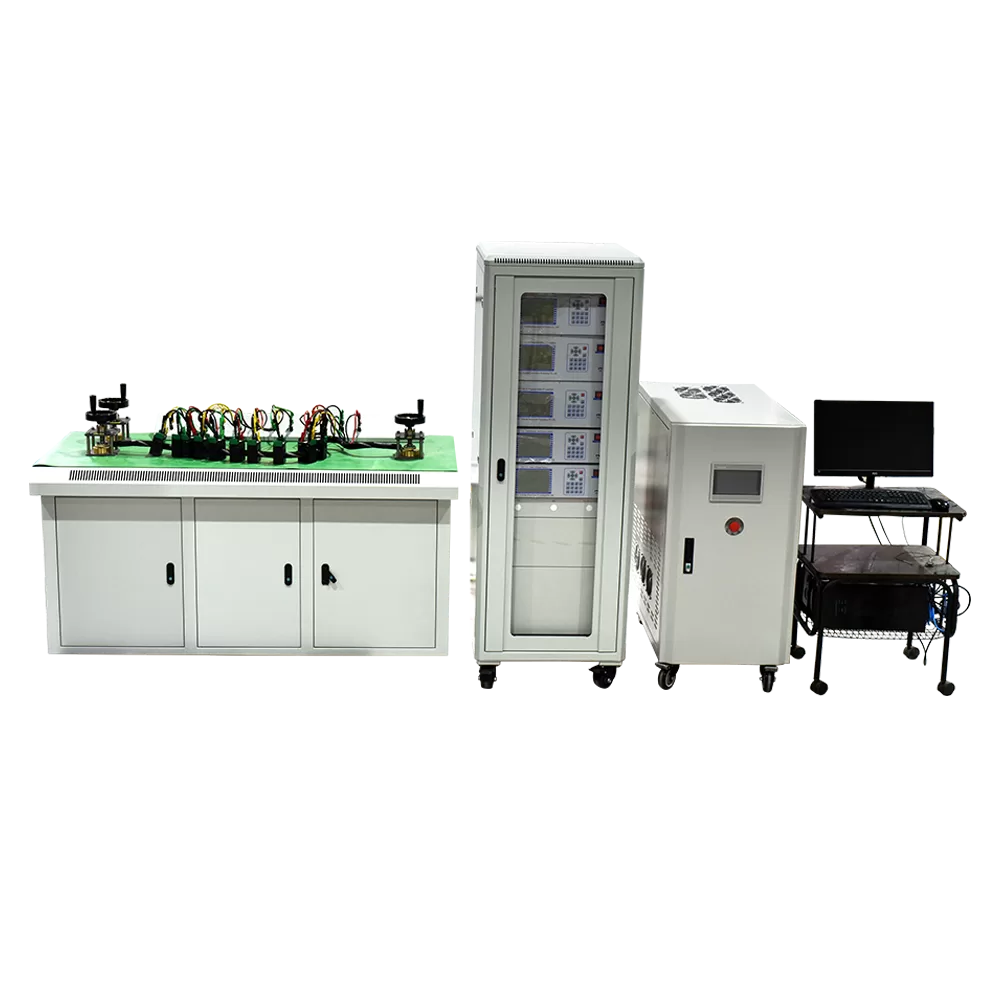
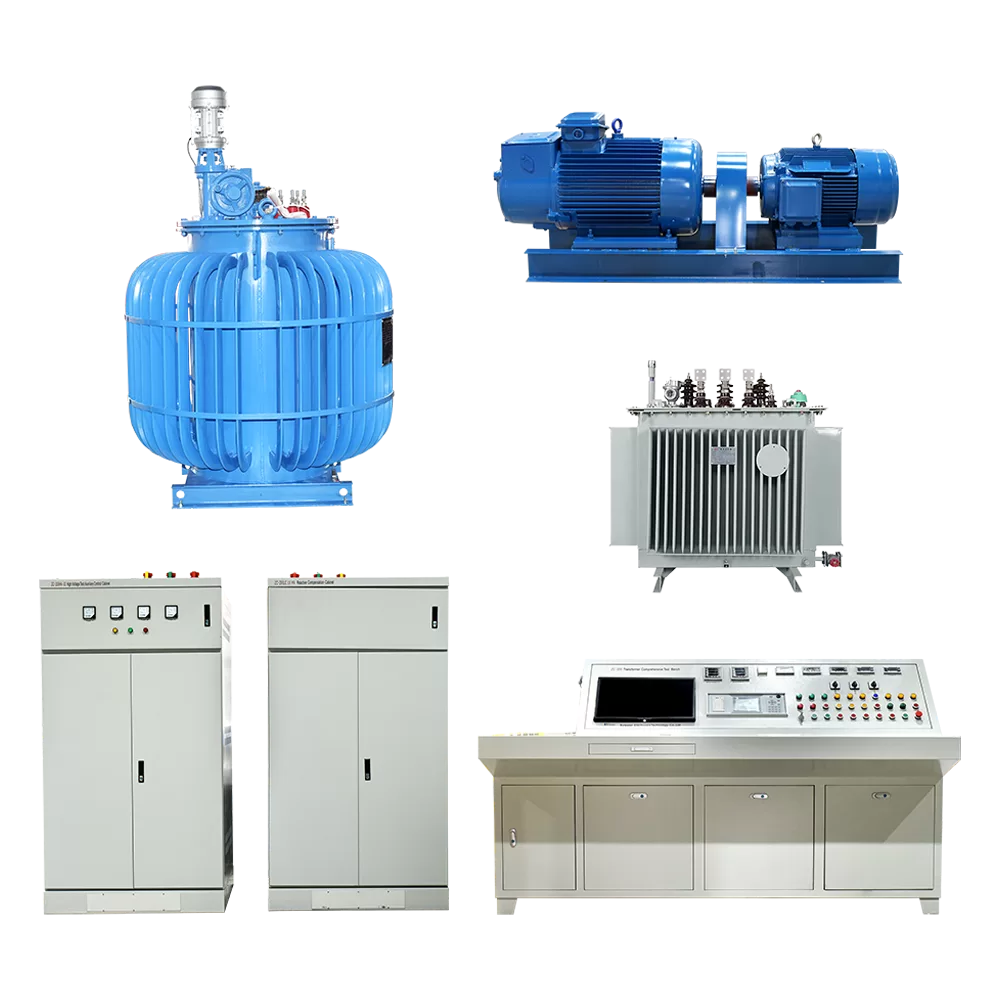
⑥ Integrated transformer test system.
Properly configuring testing equipment ensures the ability to conduct on-site handover tests and other necessary inspections for various types of transformers.
8. Summary
The grid-connection acceptance of distribution transformers requires not only an assessment of the electrical performance of the windings but also a comprehensive evaluation of the insulation status, withstand voltage capabilities, accessories, and associated protection systems. Conducting standardized tests—such as DC resistance, turns ratio, insulation resistance, insulating oil analysis, and AC withstand voltage tests—enables the timely detection of potential equipment defects, ensuring the safe commissioning and operation of distribution transformers.
Related Products
Latest News
-
 2026-11-13Acceptance Testing Standards and Procedures for 10kV Distribution Transformers
-
 2026-11-13What Key Parameters Should Be Evaluated When Purchasing a Transformer Comprehensive Test Bench?
-
 2026-11-13How Do Integrated Transformer Test Benches Improve Factory-Gate Testing Efficiency?
-
 2026-11-12PT Tester User Manual for Setup, Wiring and Testing
-
 2026-11-12CT PT Analyzer Excitation Testing for CT and PT Evaluation