What are the differences in test items between dry-type and oil-immersed transformers?
What are the differences in test items between dry-type and oil-immersed transformers?
Dry-type and oil-immersed transformers are two common types of power distribution equipment used in electrical systems. They differ significantly in terms of insulating media, cooling methods, and structural design; consequently, their test items and inspection requirements also vary. When selecting a comprehensive transformer test bench, it is essential to configure the testing functions appropriately based on the specific transformer type to ensure accurate and reliable test results.
1. Common test items for both types of transformers
Although dry-type and oil-immersed transformers have different structures, their fundamental electrical performance test items are largely the same, primarily including:
① DC resistance measurement of windings: To check the quality of winding connections, conductor resistance, and the contact status of tap changers.
② Voltage ratio and vector group (connection group) test: To verify whether the actual voltage ratio, tap position, and winding connection group meet design specifications.
③ No-load loss and no-load current test: To measure core loss and excitation current, evaluating the transformer’s performance under no-load conditions.
④ Load loss and short-circuit impedance test: To measure winding losses and impedance parameters, evaluating the transformer’s performance under load.
⑤ Insulation resistance test: To assess the insulation status of windings relative to the ground and between the windings themselves.
⑥ AC withstand voltage test: Including applied-voltage and induced-voltage withstand tests, used to verify the transformer’s insulation strength.
These items are typically key components of factory acceptance testing for transformers and form the core functional configuration of a comprehensive test bench.
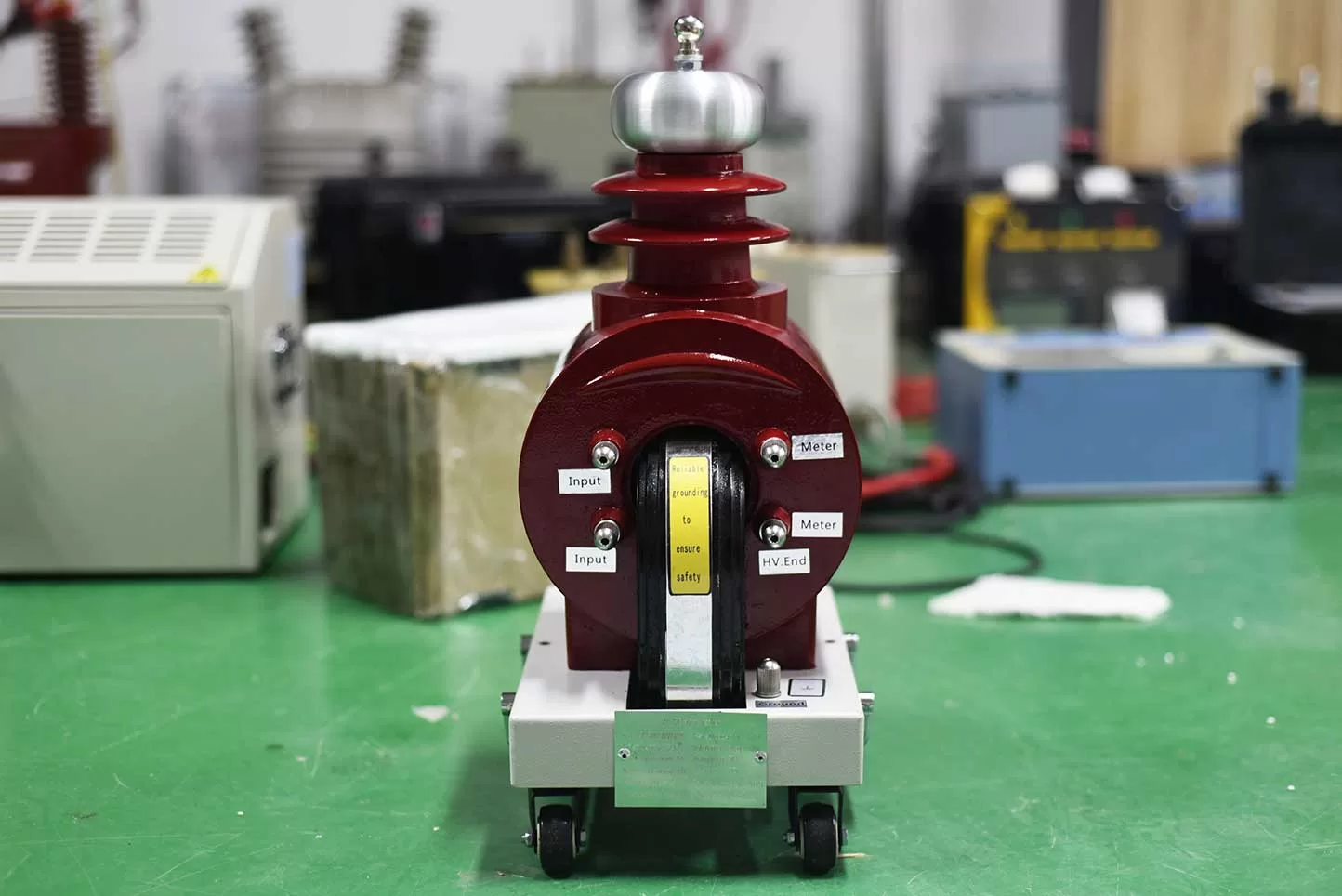
2. Specific test items for dry-type transformers
Dry-type transformers utilize solid insulation systems—such as epoxy resin or impregnated insulating materials—rather than insulating oil as the primary medium for insulation and cooling. Therefore, testing focuses on the quality of the solid insulation, partial discharge, and temperature rise performance.
① Partial discharge test
Partial discharge measurement is a critical routine test for dry-type transformers, designed to detect potential discharge defects within or on the surface of the winding insulation. A test system typically requires the configuration of a partial discharge detector, coupling capacitors, measuring impedance, and a low-interference test power supply.
②. Temperature-Rise Test
Dry-type transformers rely on air cooling; the temperature rise of the windings is closely related to the heat-resistance class of the insulation materials. The temperature-rise test is primarily used to verify whether temperature variations under rated load conditions meet standard requirements.
③. Climatic, Environmental, and Combustion Performance Tests
Depending on the product design and operating environment, dry-type transformers may also undergo climatic, environmental, and combustion performance tests to evaluate their adaptability to low temperatures, humidity, and specific fire conditions. These are generally classified as “special tests” and are not required for every unit.
3. Special Test Items for Oil-Immersed Transformers
Oil-immersed transformers utilize insulating oil for both insulation and heat dissipation. Therefore, in addition to routine electrical performance tests, it is necessary to assess the quality of the insulating oil, the sealing integrity of the tank, and the condition of the oil-immersed insulation system.
①. Insulating Oil Tests
These primarily include breakdown voltage testing of the insulating oil, as well as assessments of moisture content and dielectric dissipation factor (as required by product specifications), to evaluate the electrical performance and quality of the oil.
②. Tank Pressure and Sealing Test
Through prescribed pressure testing, the tank, welds, valves, and sealing components are inspected for leaks to ensure reliable sealing during normal equipment operation.
③. Dissolved Gas Analysis (DGA)
By analyzing characteristic gases dissolved in the insulating oil, potential faults—such as overheating or electrical discharges—can be identified. While this is highly significant for operational diagnostics, it is not a mandatory routine factory test for all voltage classes of oil-immersed transformers.
④. Core and Clamping Structure Insulation Inspection
For applicable oil-immersed transformer designs, the insulation of the core and clamping structures is inspected to prevent abnormal grounding and subsequent operational failures.
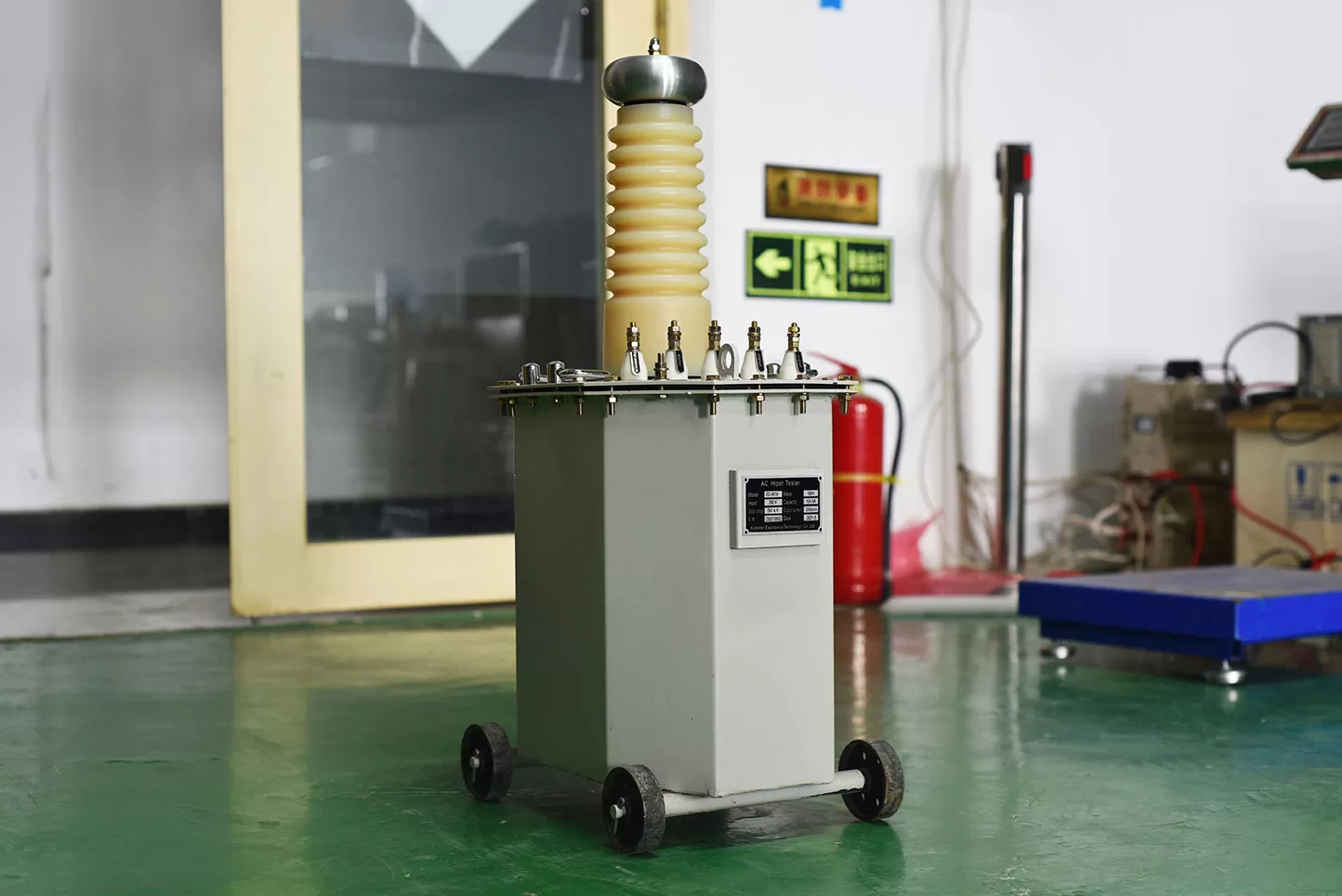
4. How Should a Comprehensive Test Bench Be Configured?
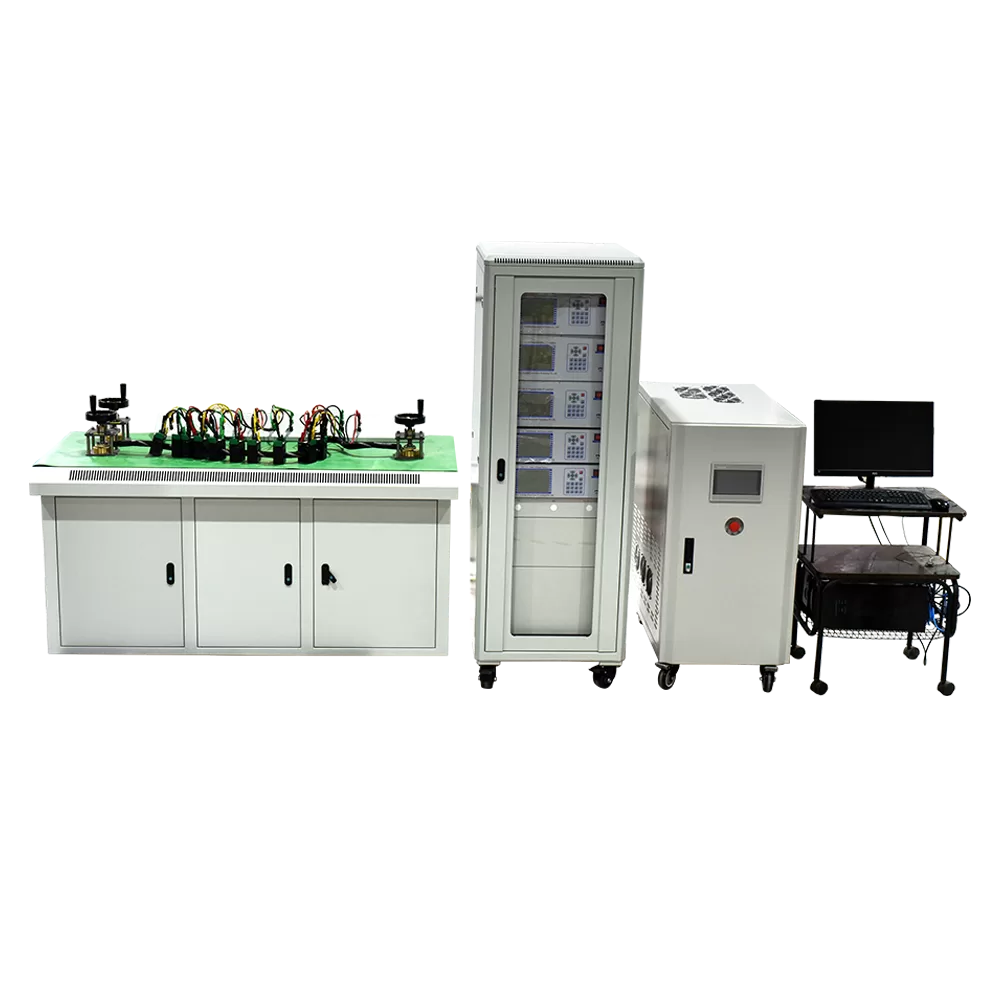
For enterprises primarily testing dry-type transformers, it is recommended to select a comprehensive test bench capable of performing no-load loss, load loss, DC resistance, turns ratio/vector group, and insulation withstand voltage tests. Depending on specific testing requirements, this should be supplemented with a partial discharge measurement system and temperature-rise test equipment.
For enterprises testing oil-immersed transformers, in addition to standard electrical performance test modules, the setup should include an insulating oil breakdown voltage tester, necessary oil quality analysis equipment, and a tank sealing test apparatus.
If an enterprise manufactures both dry-type and oil-immersed transformers across 10kV, 20kV, and 35kV voltage classes, a modular comprehensive test system is recommended. This allows for the shared use of core modules—such as those for no-load/load loss, turns ratio, and DC resistance—while incorporating specific, dedicated modules for partial discharge, insulating oil analysis, and tank sealing tests. This approach maximizes equipment utilization and reduces costs associated with redundant procurement.
5. Summary
The routine electrical performance tests for dry-type and oil-immersed transformers are largely similar; the primary differences lie in the specialized test items necessitated by their distinct insulation systems and structural characteristics.
For dry-type transformers, the focus is on partial discharge, solid insulation, and temperature-rise performance.
For oil-immersed transformers, the focus shifts toward the quality of the insulating oil, the integrity of the tank seal, and the condition of the oil-immersed insulation.
When selecting a comprehensive transformer test bench, the configuration should be determined based on product type, voltage class, rated capacity, and factory acceptance test requirements. By carefully selecting the appropriate specialized test modules, one can ensure that the system meets the needs for production inspection, quality control, and future operational expansion.
Related Products
Latest News
-
 2026-10-30What are the differences in equipment configuration for comprehensive test benches designed for 10kV, 20kV, and 35kV transformers?
-
 2026-10-30How to Choose the Right Transformer Comprehensive Test Bench?
-
 2026-10-30What factors affect the accuracy of transformer test results?
-
 2026-10-30What is the basic principle of partial discharge testing?
-
 2026-10-28Compact Portable Transformer Tester for Field Testing