How to Choose the Right Transformer Comprehensive Test Bench?
How to Choose the Right Transformer Comprehensive Test Bench?
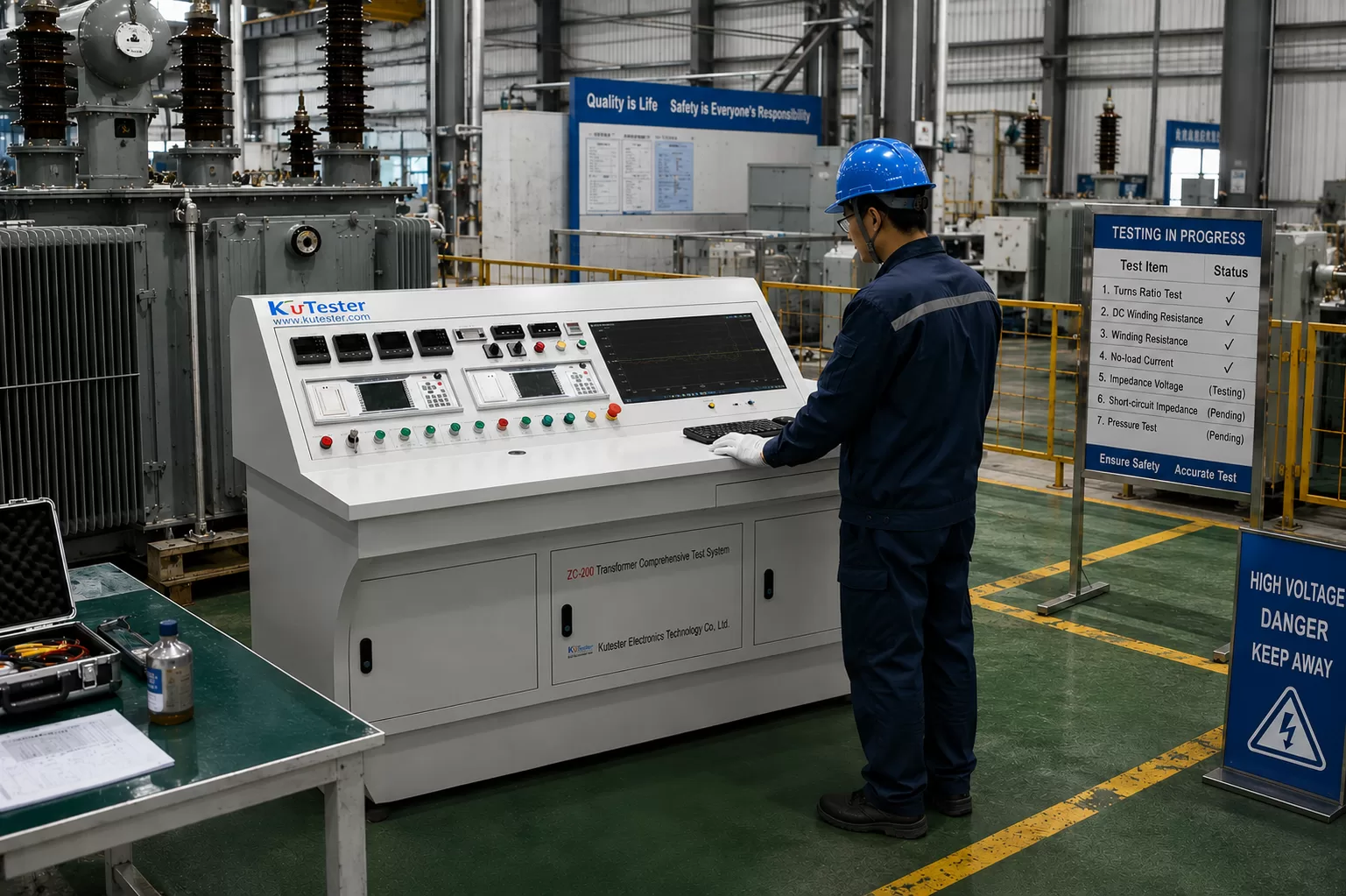
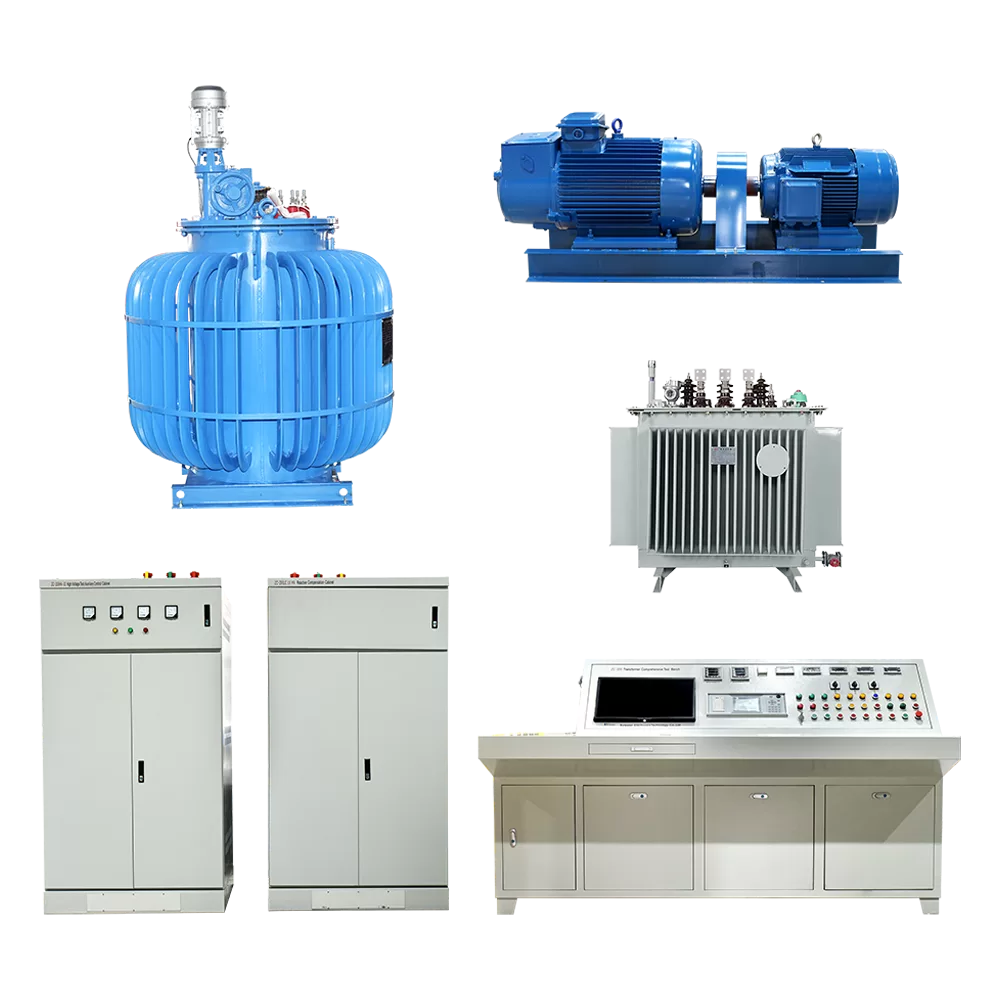
A transformer comprehensive test bench is an integrated testing system that combines test power supplies, measurement and data acquisition, control and protection, and data management. It is widely used for factory acceptance testing, maintenance testing, and the inspection of power equipment. Given the variety of models and configurations available on the market, selection should not be based solely on price or the number of features; rather, it requires a comprehensive evaluation of the parameters of the transformers to be tested, the specific test requirements, measurement accuracy, and the operating environment.
1. Define the Test Objects and Requirements
Before selecting a system, identify the types of transformers to be tested—including their rated capacity, rated voltage, number of phases, frequency, and voltage regulation method—and specify whether they are oil-immersed, dry-type, or designed for special applications. Additionally, determine the range of specifications (from smallest to largest) and the expected volume of routine testing.
Manufacturers typically prioritize high-efficiency batch testing and data consistency, whereas maintenance service providers often focus on system compatibility, ease of operation, and suitability for field use. Clearly defining the scope of testing is essential for configuring the appropriate power supply and measurement modules.
2. Determine System Configuration Based on Test Requirements
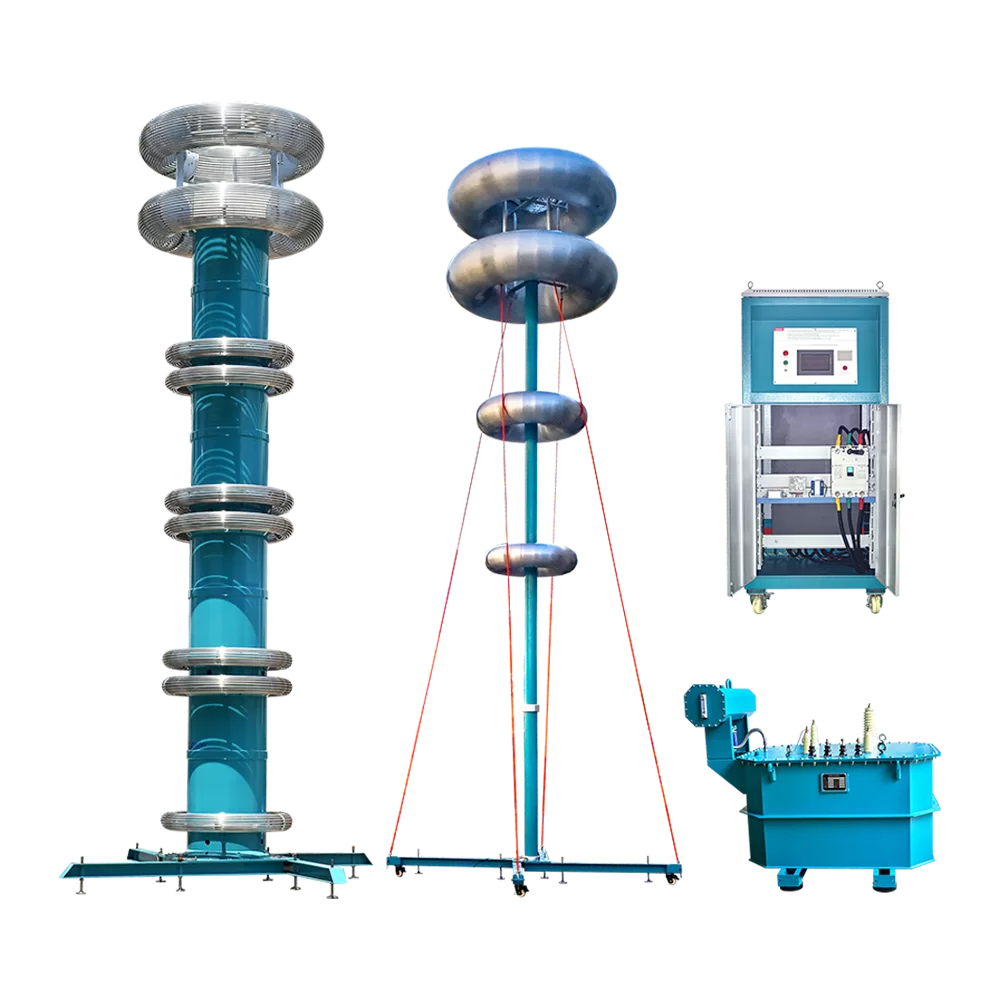
Standard comprehensive tests include measurements of no-load loss and current, load loss and short-circuit impedance, DC winding resistance, as well as checks for voltage ratio and vector group. If tests such as power-frequency withstand voltage, induced withstand voltage, or temperature-rise tests are required, the system must be equipped with appropriate high-voltage sources, variable-frequency power supplies, or high-capacity test power sources, along with corresponding protection devices. Specialized modules for partial discharge, dielectric loss, or insulation resistance testing should be selected based on specific needs; the term “comprehensive test bench” does not automatically imply that all possible functions are included.
3. Carefully Verify Power Capacity and Measurement Range
The output voltage, output current, power supply mode, and continuous operating capacity of the test bench must align with actual testing conditions. Since different tests—such as no-load, short-circuit, and withstand voltage tests—impose distinct requirements on the power supply and its accessories, the capacity of the test power supply cannot simply be determined by a direct proportional calculation based on the rated capacity of the transformer under test. Calculations should be performed based on the impedance, test current, applied voltage, and test duration of the largest test object. It is essential to verify the voltage regulation range, waveform quality, instrument transformer ranges, and provisions for future capacity expansion to prevent issues such as the inability to test large-capacity units or insufficient measurement accuracy due to an inadequate range.
4. Focus on Measurement Accuracy and Data Reliability
No-load loss and load loss are critical indicators for evaluating transformer performance. Particular attention should be paid to the measurement accuracy of voltage, current, and power, as well as the system’s capability to perform measurements under conditions of low power factor. Preference should be given to systems that feature three-phase synchronous sampling, automatic calculation, temperature correction, and alerts for anomalous data. During procurement, review the metrological calibration documentation to confirm that error control for voltage transformers, current transformers, data acquisition units, and the entire measurement chain is adequate, ensuring that test results are verifiable and traceable.
5. Prioritize Safety Protection and Automation
High-voltage testing carries significant operational risks. Equipment must be equipped with features such as reliable grounding, zero-start interlocks, overvoltage and overcurrent protection, emergency stop functions, audible and visual alarms, and test-circuit interlocks. When high-voltage output is involved, verify that the test area is properly isolated and equipped with access-control interlocks and discharge mechanisms. For batch testing scenarios, consider solutions based on a PLC or industrial computer; these can guide the testing process, automatically record parameters, generate reports, and facilitate historical data retrieval, thereby reducing risks associated with repetitive wiring and manual data entry.
6. Verify Standard Compliance and After-Sales Service
When selecting equipment, determine test requirements by referencing standards such as GB/T 1094.1-2013 “Power Transformers – Part 1: General” and GB/T 1094.3-2017 “Power Transformers – Part 3: Insulation Levels, Dielectric Tests and External Clearances in Air.” For dry-type transformers, also refer to GB/T 1094.11-2022. Before finalizing a procurement, it is advisable to request that the supplier provide a technical configuration list, the scope of testing capabilities, and protocols for calibration and acceptance. Additionally, confirm the arrangements for installation and commissioning, personnel training, software upgrades, and the provision of spare parts.
7. Conclusion
An appropriate comprehensive transformer test bench should offer thorough test coverage, well-matched output capacity, reliable measurement data, and robust safety measures, while also accounting for future expansion and long-term maintenance costs. Conducting a technical evaluation based on specific testing requirements is essential to enhancing testing efficiency, ensuring inspection quality, and providing reliable technical support for transformer production, testing, and safe operation.
Related Products
Latest News
-
 2026-10-30What factors affect the accuracy of transformer test results?
-
 2026-10-30What is the basic principle of partial discharge testing?
-
 2026-10-28Compact Portable Transformer Tester for Field Testing
-
 2026-10-28Intelligent CT Tester for Accurate Current Transformer Testing
-
 2026-10-27Combined CT PT Tester for Current and Voltage Transformer Testing