
What tests can a transformer comprehensive test bench perform?
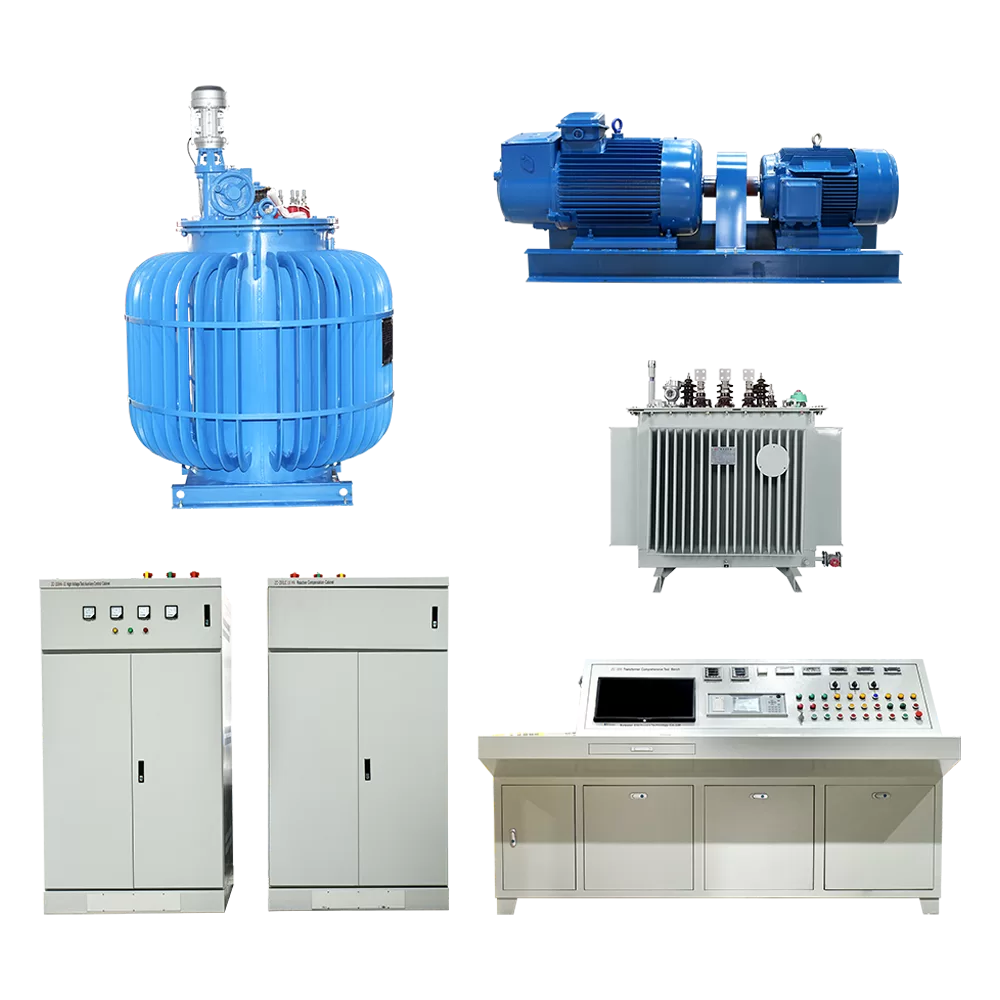
A comprehensive transformer test bench is primarily used for factory acceptance testing, maintenance inspection, quality verification, and performance assessment of transformers. By integrating various testing instruments, power supplies, control systems, and data processing software, it minimizes repetitive wiring and enhances both testing efficiency and safety.
Depending on the specific equipment configuration, a comprehensive transformer test bench can typically perform the following tests:
1. Winding DC Resistance Test
The DC resistance test measures the resistance of each transformer winding phase and calculates the resistance unbalance rate among the three phases.
This test verifies the integrity of winding solder joints, lead connections, and tap changer contacts. It also helps identify issues such as broken strands, poor contact, or resistance imbalances between phases.
2. Turns Ratio, Polarity, and Vector Group Test
The turns ratio test measures the actual voltage ratio between high-voltage and low-voltage windings and compares it with the transformer’s nameplate specifications.
Tests for polarity and vector group determine whether the winding connections and phase relationships are correct. These tests can detect errors in winding turns, incorrect wiring, abnormal tap positions, and discrepancies between the actual vector group and the design specifications.
3. No-Load Test
The no-load test is typically conducted with one side of the transformer open-circuited; it measures parameters such as no-load loss, no-load current, voltage, current, and power.
This test primarily reflects the performance and manufacturing quality of the transformer core. Abnormalities in no-load loss or current may indicate issues with core materials, core assembly, silicon steel sheet insulation, or the core grounding status.
4. Load Test
Also known as the short-circuit test, the load test measures parameters such as load loss, short-circuit impedance, and impedance voltage.
This test reveals information regarding winding conductor losses, connection quality, winding structure, and assembly conditions. The results serve as a crucial basis for evaluating the transformer’s operational performance and suitability for parallel operation.
Since load loss is temperature-dependent, the testing system can typically automatically adjust the measured results based on the test temperature. 5. Insulation Resistance Test
The insulation resistance test is used to assess the insulation condition of high-voltage windings, low-voltage windings, and the insulation between windings and ground.
Measuring insulation resistance helps determine whether the transformer insulation is affected by moisture, aging, or contamination, or if there are potential grounding issues. Some testing systems can also measure the absorption ratio and polarization index.
6. Power-Frequency Withstand Voltage Test
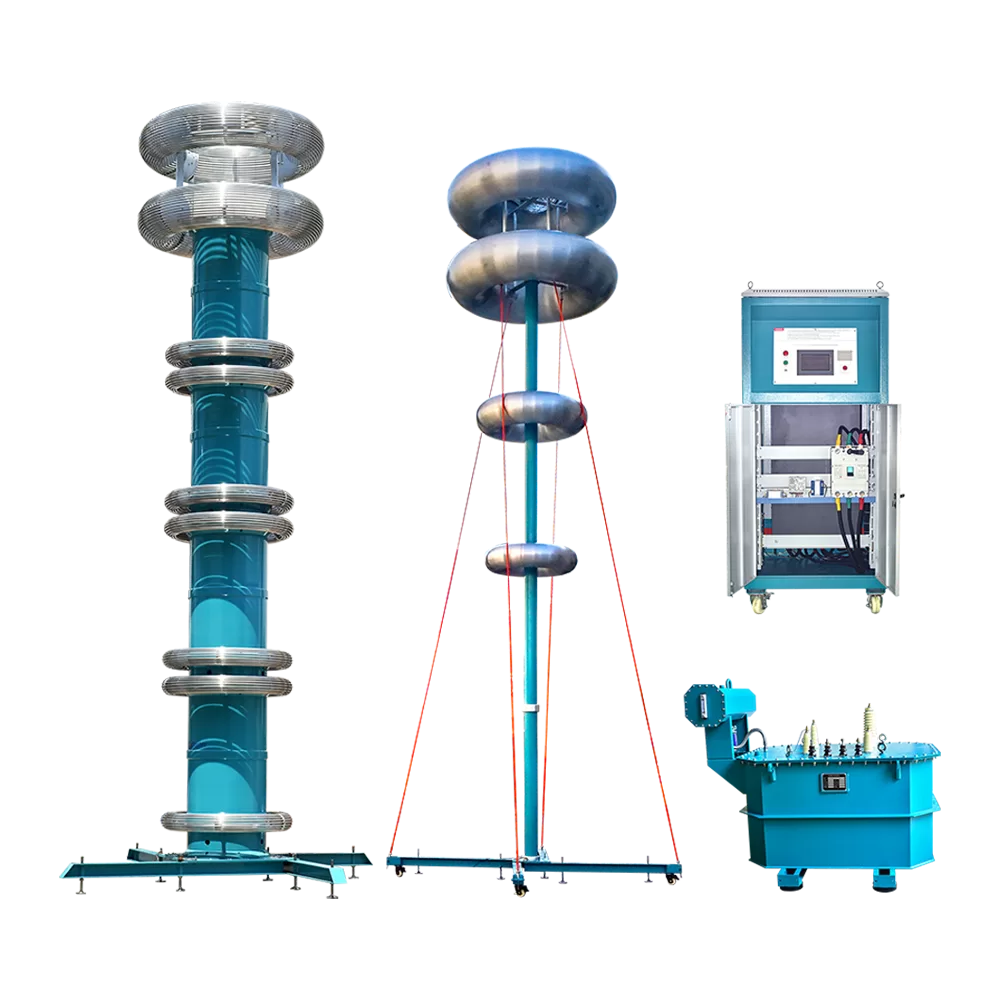
The power-frequency withstand voltage test involves applying a test voltage higher than the normal operating voltage to the transformer for a specified duration; it verifies the strength of the main insulation between windings and ground, as well as between windings.
During the test, the test bench typically employs features such as zero-start, overcurrent protection, overvoltage protection, emergency stop, and safety interlocks to ensure the safety of both equipment and personnel.
7. Induced Withstand Voltage Test
The induced withstand voltage test is primarily used to check insulation between winding turns, layers, sections, and phases.
This test usually requires a variable-frequency power supply; by increasing the test frequency, the required induced voltage is generated within the windings while avoiding over-excitation of the iron core.
8. Insulating Oil Dielectric Strength Test
For oil-immersed transformers, a dielectric strength test unit for insulating oil can be included to measure the transformer oil’s breakdown voltage.
This test helps determine whether the insulating oil is contaminated by moisture or impurities and whether its dielectric strength meets operational requirements.
9. Other Extended Tests
Depending on the transformer type, voltage class, and customer testing requirements, the comprehensive test bench can be expanded to include the following functions:
① Partial discharge test;
② Temperature rise test;
③ Noise test;
④ Voltage, current, and harmonic analysis;
⑤ On-load tap changer test;
⑥ Dielectric loss and capacitance test;
⑦ Transformer capacity verification;
⑧ Temperature acquisition and operational data monitoring.
These tests typically require the addition of specialized power supplies, instruments, or testing modules.
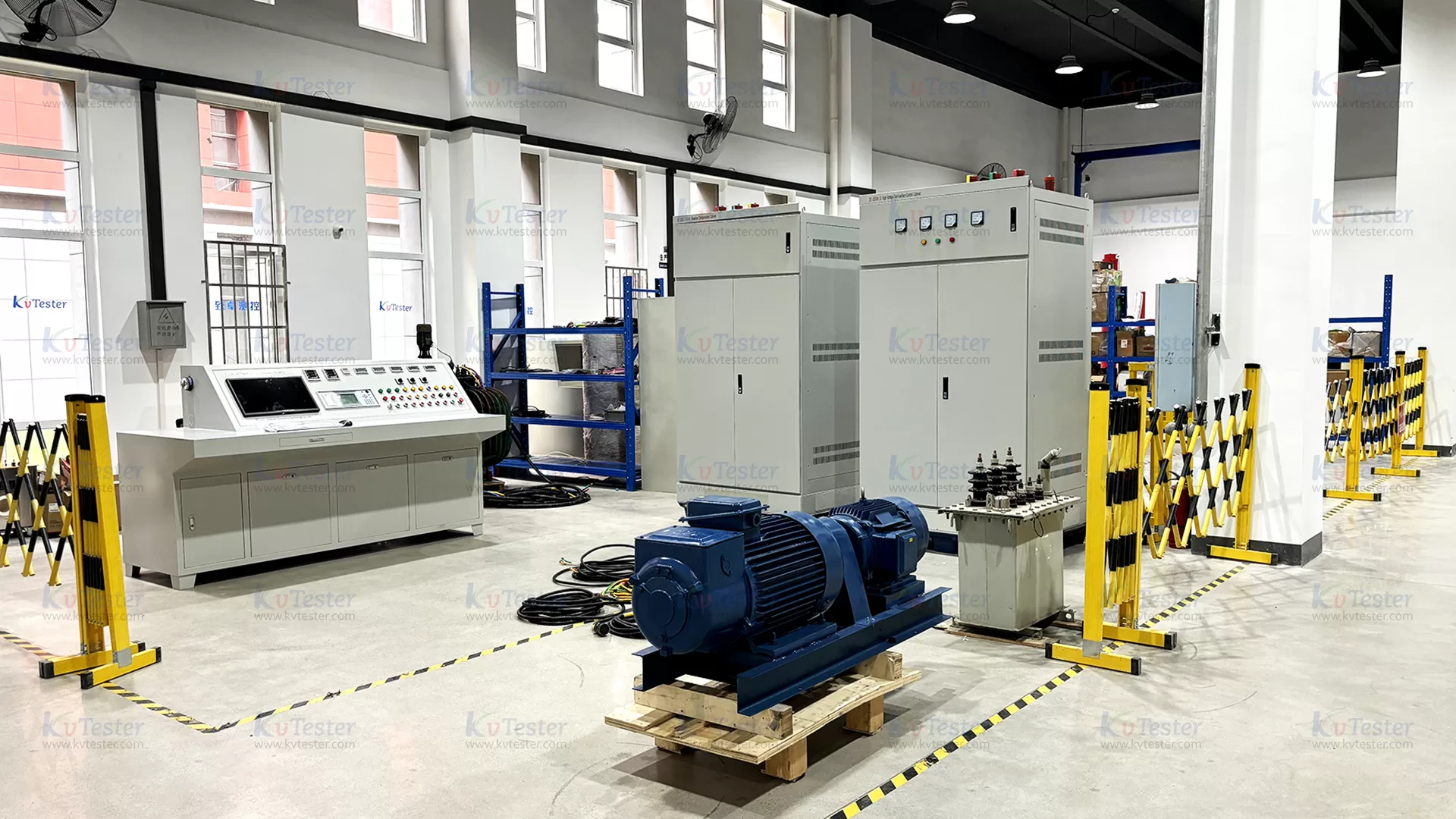
What other functions can the comprehensive test bench perform? In addition to performing various electrical tests, highly automated test benches can also:
① Automatically load product test protocols;
② Automatically acquire data on voltage, current, power, and temperature;
③ Automatically calculate losses, impedance, and unbalance rates;
④ Automatically perform temperature corrections;
⑤ Automatically determine whether test results meet specifications;
⑥ Automatically save test data;
⑦ Automatically generate and print test reports;
⑧ Support historical data retrieval and quality traceability.
Comprehensive transformer test benches typically perform tests such as DC resistance, turns ratio, vector group, no-load loss, load loss, short-circuit impedance, insulation resistance, and withstand voltage; testing capabilities—such as partial discharge, temperature rise, insulating oil dielectric strength, and noise—can be added based on specific requirements. When selecting equipment, the test bench configuration should be determined based on factors such as the transformer’s capacity, voltage rating, required test items, production volume, and automation needs.
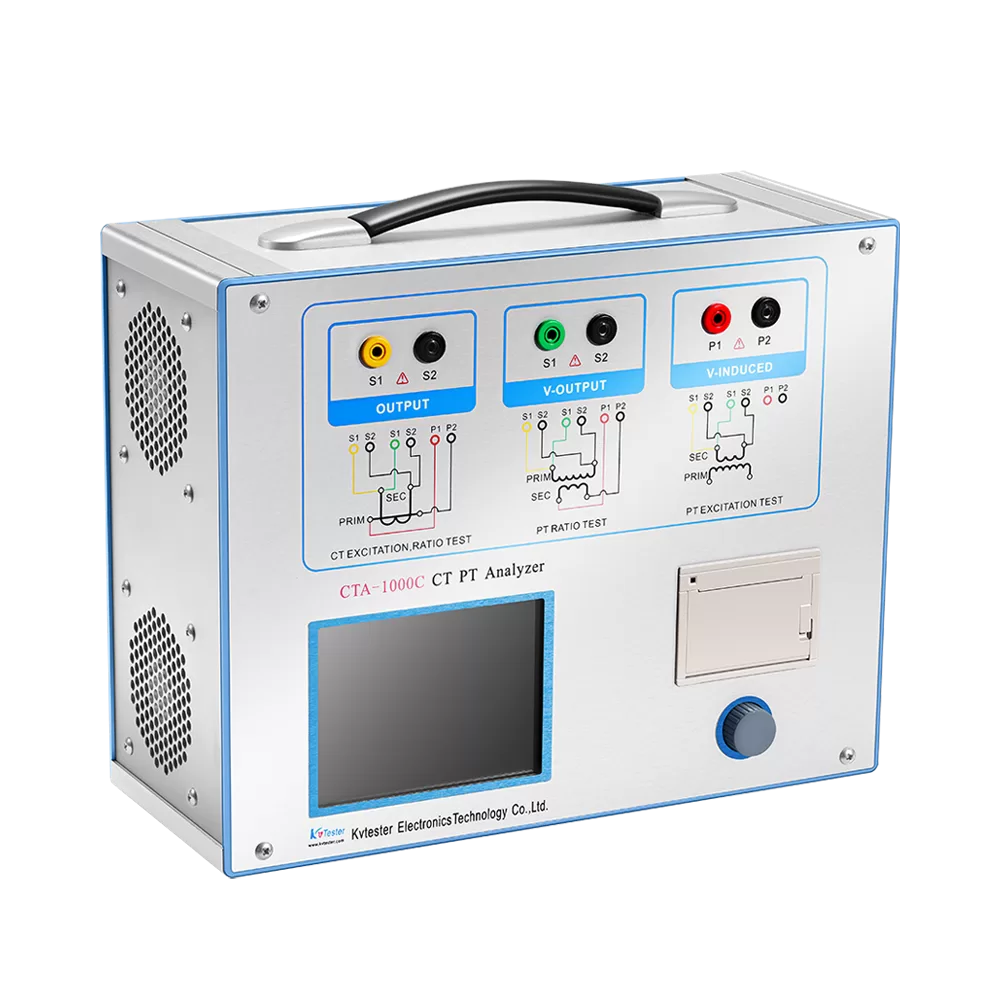
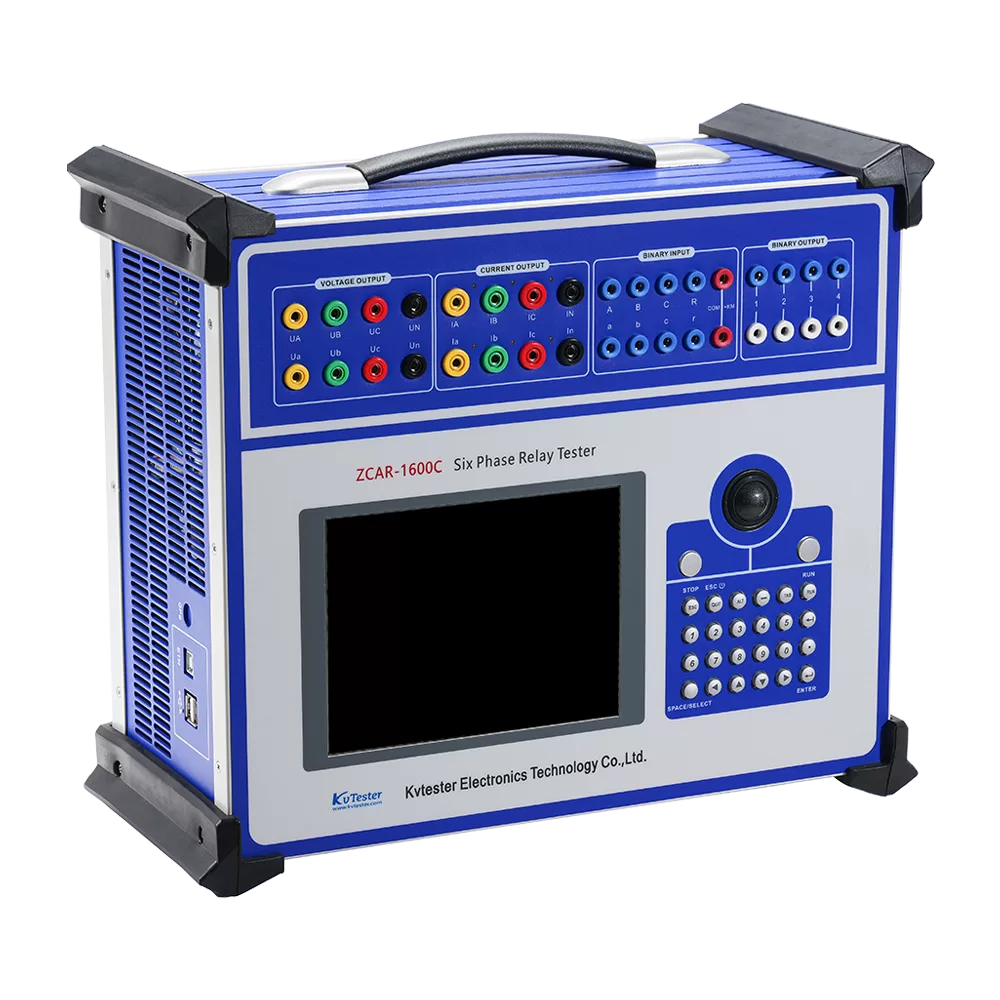
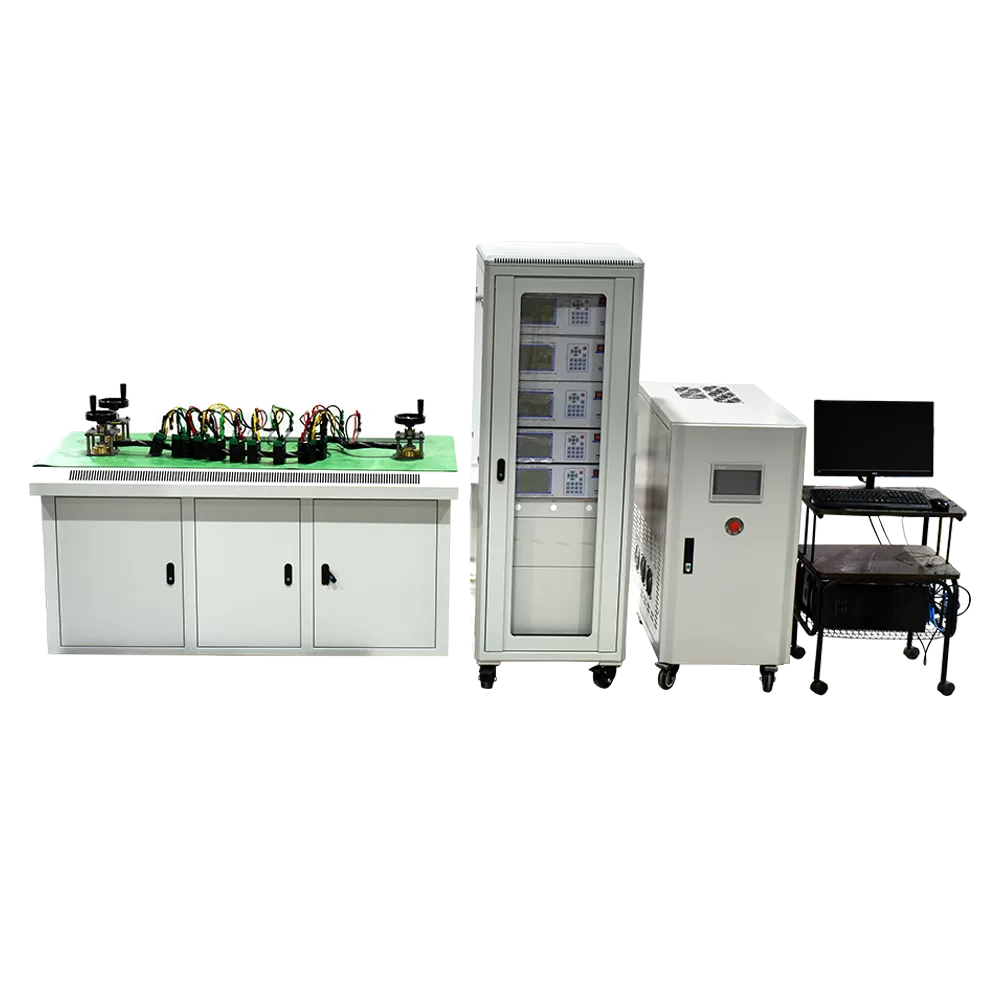
Related Products
Latest News
-
 2026-09-20CT PT Analyzer for Commissioning: Substation Testing Guide
 -
 2026-09-20ANSI Standard CT Tester: Specs, Tests & Buying Guide
 -
 2026-09-18Why does the required capacity of series resonant test equipment usually increase with cable length?
 -
 2026-09-18How should 35kV cable series resonant withstand voltage test equipment be configured?
 -
 2026-09-18How to Select AC Withstand Voltage Test Equipment for 10kV Cables?