
What is the difference between the “normal connection” and “reverse connection” methods for dielectric loss testers?
What is the difference between the “normal connection” and “reverse connection” methods for dielectric loss testers?
When performing dielectric loss tests on high-voltage electrical equipment using a dielectric loss tester, one frequently encounters two testing methods: “normal connection” (or forward connection) and “reverse connection.” While both methods can measure the dielectric loss factor (tanδ) and capacitance of the test object, they differ in terms of the applicable grounding status of the test object and the configuration of the measurement circuit. Incorrect wiring selection in the field can lead to abnormal data or measurement failures. Therefore, before starting the test, the appropriate testing method should be selected based on the insulation structure and grounding status of the equipment under test.
1. What is the normal connection method for dielectric loss testing?
The normal connection method is primarily used for ungrounded test objects where both terminals can be isolated from the ground.
During the test, the high-voltage terminal applies the test voltage to the object, while the other terminal is connected to the instrument’s measurement circuit via a measurement lead. In this setup, the instrument’s measurement circuit remains at ground potential; it measures the current flowing through the test object and calculates tanδ and capacitance based on the amplitude and phase relationship between the voltage and current.
Simply put, if the low-voltage measurement terminal of the insulation being tested can be reliably isolated from the ground, the normal connection method is generally a suitable choice. Since the measurement circuit operates at a lower potential, the measurement conditions are relatively straightforward. Whenever conditions permit, the appropriate normal connection method should be selected in accordance with the test object’s structure and relevant testing requirements.
2. What is the reverse connection method for dielectric loss testing?
The reverse connection method is primarily used when one terminal of the test object is permanently grounded and cannot be isolated from the ground.
Many high-voltage devices have their casings, low-voltage terminals, or relevant test terminals permanently connected to the ground after installation. If the requirements for the normal connection method cannot be met, the reverse connection method must be used. Unlike the normal connection method, the reverse connection method places the instrument’s measurement circuit at a higher potential, thereby imposing stricter requirements on the instrument’s internal insulation, signal acquisition, and anti-interference capabilities. For such grounded test objects, the reverse connection method allows for the measurement of tanδ and capacitance while maintaining the grounding of the respective terminal.
3. Key Differences Between Normal Connection and Inverted Connection
The fundamental differences between the two methods can be summarized as follows:
The normal connection method is primarily intended for ungrounded test objects where the measurement terminal of the insulation under test can be isolated from the ground; the inverted connection method is mainly used for test objects where one end is directly grounded or cannot be disconnected from the ground.
Secondly, the potentials of the measurement circuits differ between the two methods. In the normal connection, the measurement circuit operates at ground potential, whereas in the inverted connection, the measurement section operates at a higher potential; consequently, the requirements for the instrument’s internal measurement circuitry differ for each method.
It is important to note that there is no simple answer as to which method is “more accurate.” The choice of method depends primarily on the structure of the test object and the on-site grounding conditions, rather than being a matter of operator preference.
4. Precautions for On-Site Testing
Before conducting a dielectric loss test using either the normal or inverted connection method, ensure that the equipment under test has been de-energized and that safety measures—such as voltage verification, discharging, and reliable grounding—have been implemented.
After completing the wiring, verify that the instrument’s test mode matches the actual wiring configuration. In particular, do not simply reuse the settings from the previous test after changing the test object or the wiring setup. Additionally, arrange the high-voltage test leads and measurement leads according to the instrument’s specifications to minimize mutual interference. If anomalies such as significantly abnormal tanδ readings or unstable test results occur, first check the connection mode (normal vs. inverted), lead connections, instrument grounding, and potential on-site interference before determining whether the test object itself is faulty.
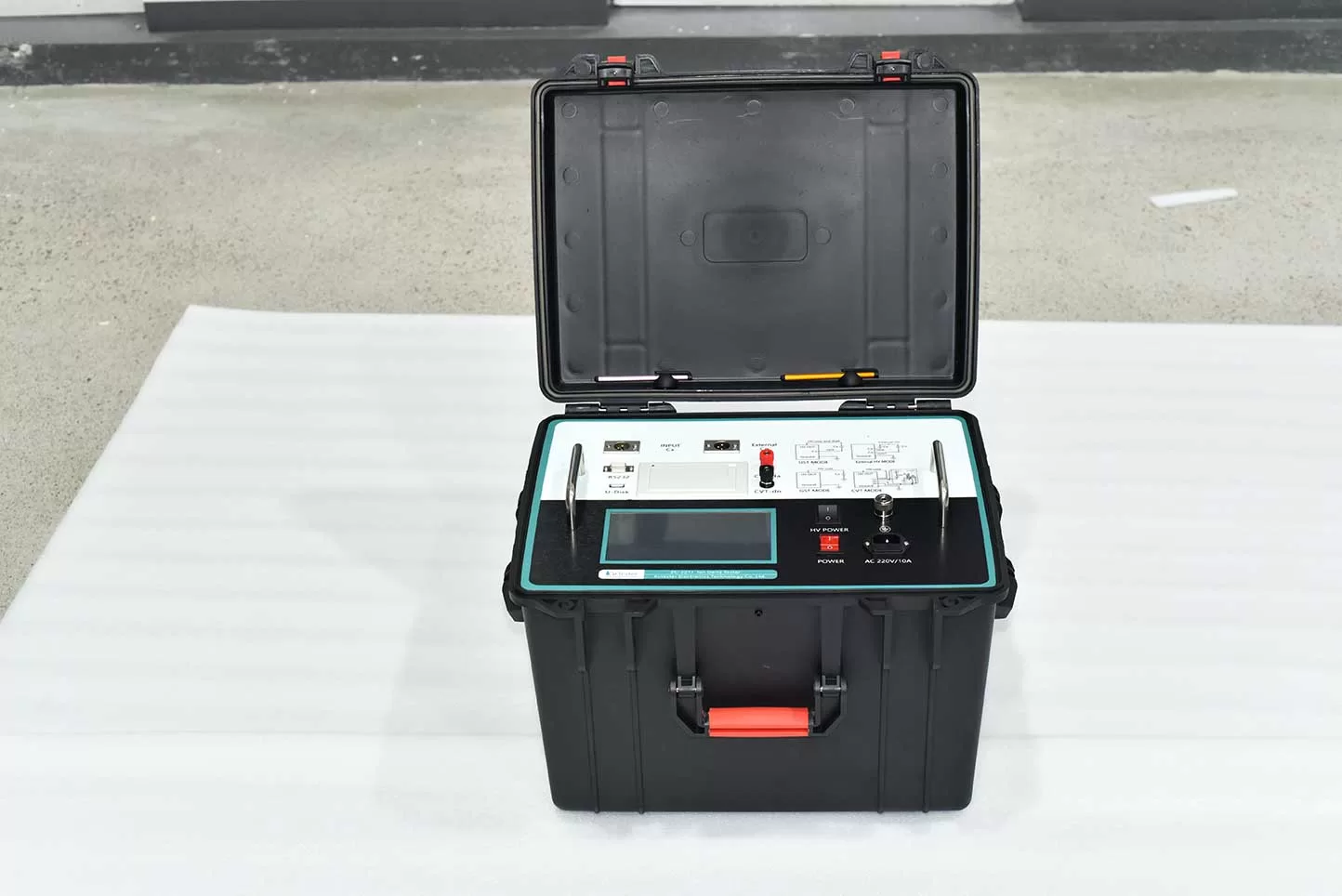
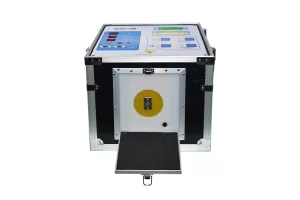
The ZC-221 Fully Automatic Anti-Interference Dielectric Loss Tester supports both normal and inverted connection modes, allowing the appropriate mode to be selected based on the grounding status of the high-voltage electrical equipment. It also supports variable-frequency anti-interference testing to meet dielectric loss and capacitance measurement requirements in environments such as substations.
Please note that terminal designations and specific wiring procedures may vary between different models of dielectric loss testers; always refer to the instrument’s user manual and the on-site test protocol during actual operation.
Kvtester Electronics Technology Co.,Ltd. is a high-tech enterprise specializing in power testing, testing, research and development, production, and sales of testing equipment. It has been engaged in the electrical testing industry for many years, and its products are of high quality. We welcome customers to come and purchase. Service hotline: 0086-27-81778799, to learn more, visit the official website: www.kvtester.com
Related Products
Latest News
-
 2026-09-10What causes unstable or fluctuating dielectric loss test data?
 -
 2026-09-10What causes high dielectric loss values? Common causes and troubleshooting approaches
 -
 2026-09-10How to Use a Dielectric Loss Tester: Basic Field Testing Procedures and Precautions
 -
 2026-09-10Working Principle and Main Applications of Anti-Interference Dielectric Loss Testers
 -
 2026-09-10PT Tester With Maintenance Service: Procurement Guide