Home » News » Company News
Multi-function CT Tester Wholesale: Supplier Guide
Looking for a Multi-function CT Tester Wholesale supplier that offers high measurement accuracy, reliable performance, and competitive purchasing costs? How can you compare equipment specifications, evaluate manufacturers, and choose a tester that meets your technical requirements without overspending?
The right choice depends on more than the purchase price. You need to consider measurement accuracy, supported test functions, operating conditions, delivery capabilities, and long-term technical support.
What Is a Multi-function CT Tester and Who Needs It?
A multi-function CT tester evaluates the electrical characteristics of current transformers (CTs). Depending on the model, it can combine several tests in one instrument, reducing the need for separate testing equipment.Typical applications include substation commissioning, electrical maintenance, and laboratory calibration.
What Can a Multi-function CT Tester Measure?
Common testing functions include:
- CT ratio and phase-angle error: Verify transformation ratios and measurement accuracy.
- Excitation and saturation characteristics: Evaluate the CT core’s magnetic performance and identify its knee point.
- Winding resistance: Check winding resistance for potential connection or winding problems.
- Burden impedance: Assess the burden connected to the CT secondary circuit.
- Polarity and residual magnetism: Verify polarity and evaluate the effects of residual magnetism.
Some models also support voltage transformer (PT) testing, allowing technicians to evaluate both CTs and PTs using one instrument. Available functions depend on the specific model.
For a more detailed explanation of these functions and how they work together, see our guide to what a multi-function CT tester can measure in one test.
Who Buys CT Testing Equipment in Bulk?
Typical wholesale customers include:
- Electrical testing equipment distributors and importers.
- Current transformer and high-voltage transformer manufacturers.
- Power utilities and substation maintenance contractors.
- Third-party testing and calibration laboratories.
- Renewable energy developers and electrical engineering companies.
For these buyers, equipment reliability, consistent test results, and dependable supply are just as important as the initial purchase price.
What Features Should You Compare Before Buying a Multi-function CT Tester?
Before requesting wholesale quotations, establish the technical requirements for your application. A tester with more functions is not necessarily the best choice if its measurement range or accuracy does not match your needs.
Measurement Accuracy and Test Range
Start by checking the CT ratio range, ratio error, phase-displacement accuracy, and winding-resistance accuracy.
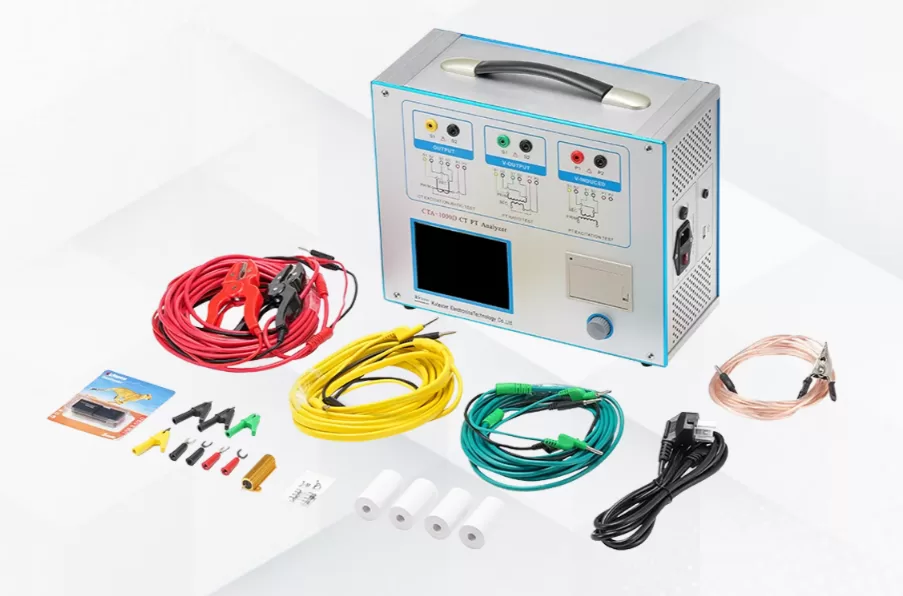
For example, the Kvtester CTA-1000D CT/PT Analyzer specifies typical CT ratio error of 0.02% for ratios from 1 to 2,000. Its stated accuracy varies at higher ratios, so buyers should check the specifications for their actual measurement range.
For metering-grade CTs, especially those with strict accuracy requirements, confirm that the tester’s guaranteed error meets the applicable testing requirements. Typical accuracy and guaranteed accuracy are not interchangeable.
Test Functions and Standards
Check whether the instrument supports the required CT and PT tests, including excitation characteristics, winding resistance, burden impedance, polarity, and ratio error.
Also verify whether its evaluation procedures support the standards specified for your project, such as IEC or IEEE standards. The required standard depends on the application and acceptance criteria.
Portability and Testing Efficiency
For field applications, consider equipment weight, carrying protection, operating temperature, and power supply compatibility.
Automated testing and report generation can reduce repetitive work, particularly for transformer manufacturers and laboratories handling multiple units. Compare the complete test workflow rather than relying on advertised test time alone.
How to Choose a Reliable Multi-function CT Tester Wholesale Supplier?
A reliable supplier should provide suitable equipment, clear technical documentation, consistent quality, and support throughout the purchasing process.
Verify the Manufacturer’s Capabilities
Check the manufacturer’s product range, technical documentation, quality-control procedures, and experience with professional electrical testing equipment.
If you are a distributor or importer, confirm whether the supplier can support repeat orders, provide product documentation for your market, and maintain consistent specifications between batches.
Compare Suppliers Beyond the Quoted Price
When evaluating quotations, compare the following:
- Test functions and measurement specifications.
- Included accessories, software, and documentation.
- Production capacity and estimated delivery time.
- Warranty terms, technical support, and spare-part availability.
- Shipping costs, payment terms, and applicable customization fees.
Request quotations based on the same technical requirements. This makes it easier to identify genuine cost differences rather than comparing instruments with different capabilities.
When Does Buying Directly from a Manufacturer Make Sense?
Direct purchasing can be useful for distributors seeking repeat supplies, manufacturers requiring technical coordination, and project buyers who need consistent product configurations.
A distributor may be more suitable when local stock, immediate availability, or regional service is the priority. The best channel depends on order volume, delivery requirements, and the level of technical support needed.
How Much Does a Multi-function CT Tester Cost at Wholesale?
Wholesale pricing depends on the instrument’s capabilities and the requirements of the order. A lower unit price does not always mean a lower total purchasing cost.
What Affects Wholesale Pricing?
The main factors include:
- Technical specifications, including measurement accuracy, ratio range, and supported test functions.
- Order quantity and the supplier’s pricing structure.
- Accessories, software, language requirements, and customization.
- Packaging, shipping method, destination, and delivery schedule.
- Warranty coverage, training, and spare parts.
How to Compare Wholesale Quotations
Ask suppliers to quote against the same specification list and order quantity. Confirm which accessories are included, whether calibration documentation is supplied, and what the warranty covers.
For a fair comparison, evaluate the total cost of ownership rather than the initial equipment price alone. A well-matched instrument can help reduce unnecessary equipment purchases and repetitive testing work.
What Should You Check Before Placing a Bulk CT Tester Order?
Before confirming an order, make sure the equipment meets your technical requirements and that the supplier can deliver the agreed configuration.
Confirm Specifications and Accessories
Verify the model, CT ratio range, accuracy, test functions, power supply, and applicable standards. Check that the required test leads, connection accessories, software, and manuals are included.
If the equipment will be used in multiple countries, confirm local power compatibility and any documentation required for importation or project acceptance.
Arrange Testing and Quality Checks
For larger orders, consider requesting a demonstration or sample evaluation before committing to the full quantity.
Agree on the inspection criteria, documentation, and acceptance procedure in advance. Where appropriate, specify the required test records, serial-number identification, and handling of products that fail inspection.
Clarify Delivery and After-sales Support
Confirm the production schedule, shipping arrangements, warranty period, and process for resolving technical issues. For distributors, consistent availability of accessories and support for repeat orders can be especially important.
Is OEM or Customized CT Tester Supply Available for Wholesale Buyers?
Distributors and project buyers may need specific branding, documentation, or configuration options. Customization availability depends on the manufacturer’s capabilities and the order requirements.
Before requesting OEM supply, clarify:
- Whether product labels, packaging, or manuals can be customized.
- Whether interface language or report formats can be adjusted.
- Minimum order quantities and additional costs.
- Production lead time and approval procedures.
- Warranty and technical support for customized units.
Confirm these details with the supplier before including customization requirements in your purchasing plan.
Why Consider Kvtester for Multi-function CT Tester Wholesale?
When selecting a professional CT testing instrument, prioritize measurement performance, functional coverage, and suitability for your actual workload.
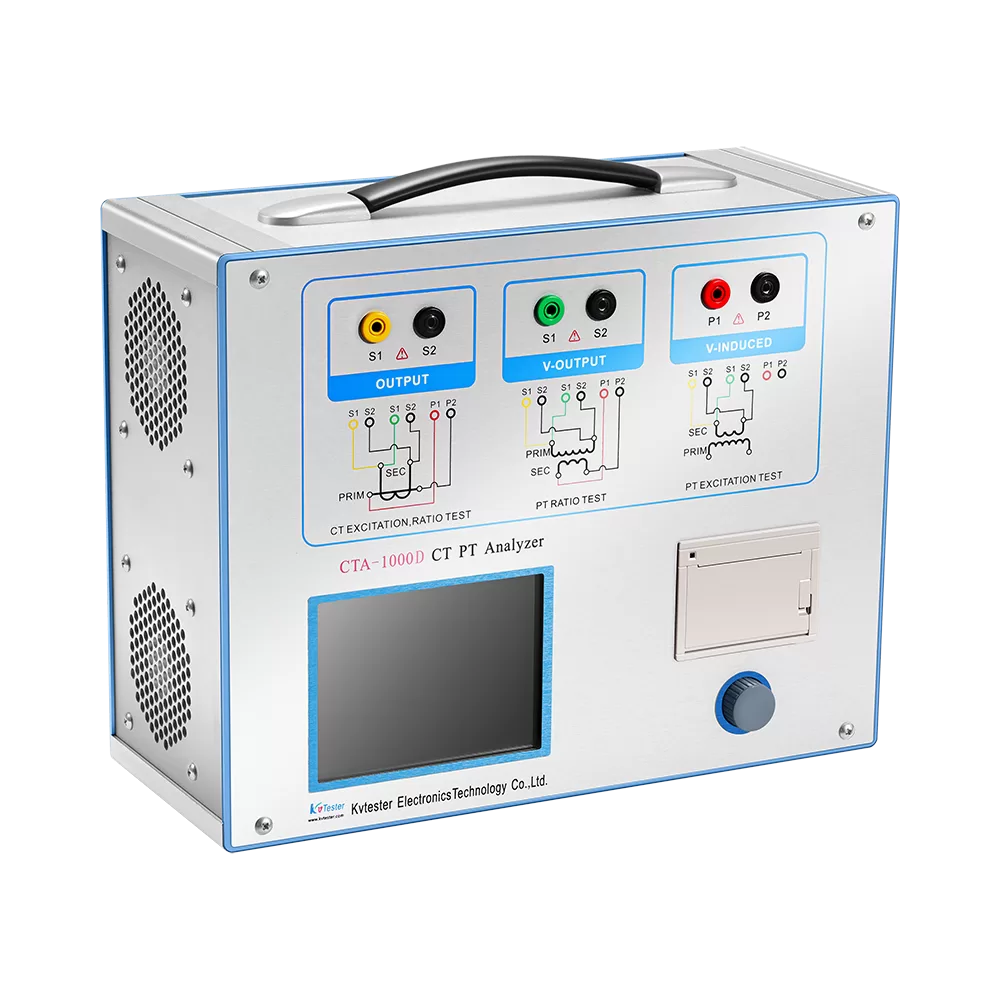
The Kvtester CTA-1000D CT/PT Analyzer combines CT and PT testing functions in one portable instrument. It supports CT ratio and phase-angle accuracy testing, excitation and saturation analysis, winding resistance, burden impedance, polarity, and additional transformer characteristics.
High Measurement Accuracy Comparable to OMICRON CT Analyzer
The CTA-1000D specifies a typical CT ratio error of 0.02% for ratios from 1 to 2,000, with different accuracy specifications for higher ratio ranges. Its phase-displacement resolution is 0.01 minutes.
These specifications make the CTA-1000D worth comparing with the OMICRON CT Analyzer for applications requiring high measurement accuracy. Buyers should compare the specific accuracy ratings, ratio ranges, and supported test functions before making a final decision.
For a more detailed comparison of the two instruments, read our guide on how to choose a multi-function CT tester: CTA-1000D vs. OMICRON.
Integrated CT and PT Testing
The CTA-1000D supports both current transformer and voltage transformer testing. This integrated capability can be useful for utilities, transformer manufacturers, and laboratories that routinely test both types of instrument transformers.
The analyzer also features automatic testing with a stated test duration of less than two minutes and a portable design weighing approximately 9 kg without accessories.
Review the complete specifications, supported test functions, and configuration details of the CTA-1000D CT/PT Analyzer to determine whether it meets your testing requirements.
What Information Should You Include in a Wholesale Inquiry?
To help determine the appropriate configuration, provide the supplier with:
- Required test functions and CT/PT types.
- CT ratio ranges and accuracy requirements.
- Applicable standards and intended testing environment.
- Order quantity and destination country.
- Required accessories, documentation, or customization.
- Expected delivery schedule and after-sales requirements.
Providing these details helps the supplier recommend a suitable configuration and prepare a more accurate quotation.
Conclusion
Choosing a multi-function CT tester wholesale supplier requires balancing measurement accuracy, testing capabilities, purchase costs, delivery reliability, and after-sales support.
Compare specifications against your actual CT and PT testing requirements, verify the manufacturer’s capabilities, and evaluate the complete cost of ownership before placing a bulk order.
If you are looking for a high-accuracy CT/PT analyzer for distribution, manufacturing, or electrical testing projects, contact Kvtester to discuss your technical requirements, product configuration, and wholesale quotation.Contact Kvtester to request product information and discuss your purchasing needs.
Related Products
Latest News
-
 2026-10-26IEC Standard CT Analyzer Supplier: Choosing the Right Equipment
-
 2026-10-26Lightweight Transformer Tester Selection Guide
-
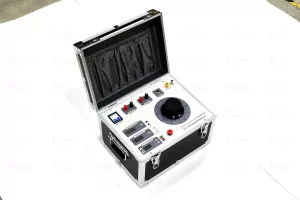 2026-10-23How can damage to a transformer during a withstand voltage test be avoided?
-
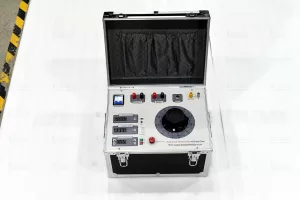 2026-10-23What is the purpose of a power-frequency withstand voltage test?
-
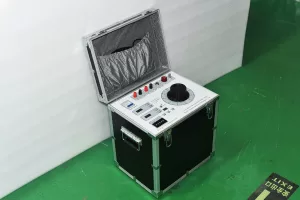 2026-10-23How to Select the Appropriate Capacity of a High-Voltage Test Transformer