
How to Select a Transformer Comprehensive Test Bench?
How to Select a Transformer Comprehensive Test Bench?
When selecting a transformer comprehensive test bench, one should not focus solely on price or the number of functions; instead, the choice should align with the enterprise’s actual production needs, prioritizing factors such as transformer type, capacity, voltage class, test items, and automation requirements.
1. Clarify the parameters of the transformer under test
First, determine the key parameters of the transformer to be tested, including:
① Oil-immersed or dry-type;
② Single-phase or three-phase;
③ Maximum capacity;
④ Highest voltage class;
⑤ Rated currents on the high- and low-voltage sides;
⑥ Tap range and connection group.
These parameters directly influence the configuration of the voltage regulator, current booster, test transformer, measuring instruments, and switching components.
2. Determine the required test items
A standard comprehensive test bench can typically perform:
① DC resistance test;
② Transformer ratio and connection group test;
③ No-load loss test;
④ Load loss and short-circuit impedance test;
⑤ Insulation resistance test;
⑥ Power-frequency withstand voltage test.
If tests such as induced withstand voltage, partial discharge, temperature rise, noise, or insulating oil withstand voltage are required, additional modules must be included. Selection should be based on actual usage needs; more functions do not necessarily equate to a better choice.
3. Verify on-site power supply conditions
Load tests, withstand voltage tests, and temperature rise tests place high demands on power supply capacity. Before purchasing, confirm the on-site power supply voltage, number of phases, and available capacity. If the on-site power capacity is insufficient, additional equipment—such as an intermediate transformer, variable-frequency power supply, or compensation device—may be required to ensure the test bench operates correctly.
4. Consider measurement accuracy and range
The test bench’s measurement range should cover the transformer models the enterprise currently produces or plans to produce, while measurement accuracy must meet relevant standards and quality control requirements. Pay particular attention to the measurement capabilities for voltage, current, power, DC resistance, and short-circuit impedance—especially the accuracy of loss measurements under low power factor conditions.
5. Select the level of automation based on production volume
If the testing volume is low, a manual or semi-automatic test bench may suffice; however, if there is a wide variety of models and large production batches, a fully automatic system is more suitable. Automated test benches typically enable automatic data acquisition, calculation, result evaluation, report generation, and historical data retrieval, thereby enhancing efficiency and minimizing human error.
6. Check safety protection configurations
Transformer testing involves high voltages and large currents; therefore, the test bench should feature:
① Zero-position start-up;
② Over-voltage and over-current protection;
③ Emergency stop mechanism;
④ Audible and visual alarms;
⑤ Safety gate or enclosure interlocks;
⑥ Reliable grounding and discharging measures.
⑦ The adequacy of safety configurations is a key factor in determining equipment reliability.
8. Evaluate the manufacturer’s technical and after-sales capabilities
Transformer comprehensive test benches usually require configuration based on specific customer parameters; thus, the manufacturer should possess capabilities in system design, capacity calculation, installation and commissioning, and software development. Additionally, consider whether the manufacturer provides operational training, remote diagnostics, spare parts supply, on-site maintenance, and future upgrade services.
Conclusion
When selecting a transformer comprehensive test bench, key factors to consider include the parameters of the transformers to be tested, test items, on-site power supply, measurement accuracy, the level of automation, and safety configurations. Providing the manufacturer with complete product specifications and testing requirements prior to procurement—allowing for a tailored configuration—helps avoid issues such as insufficient capacity, wasted functionality, or equipment incompatibility with the site environment.
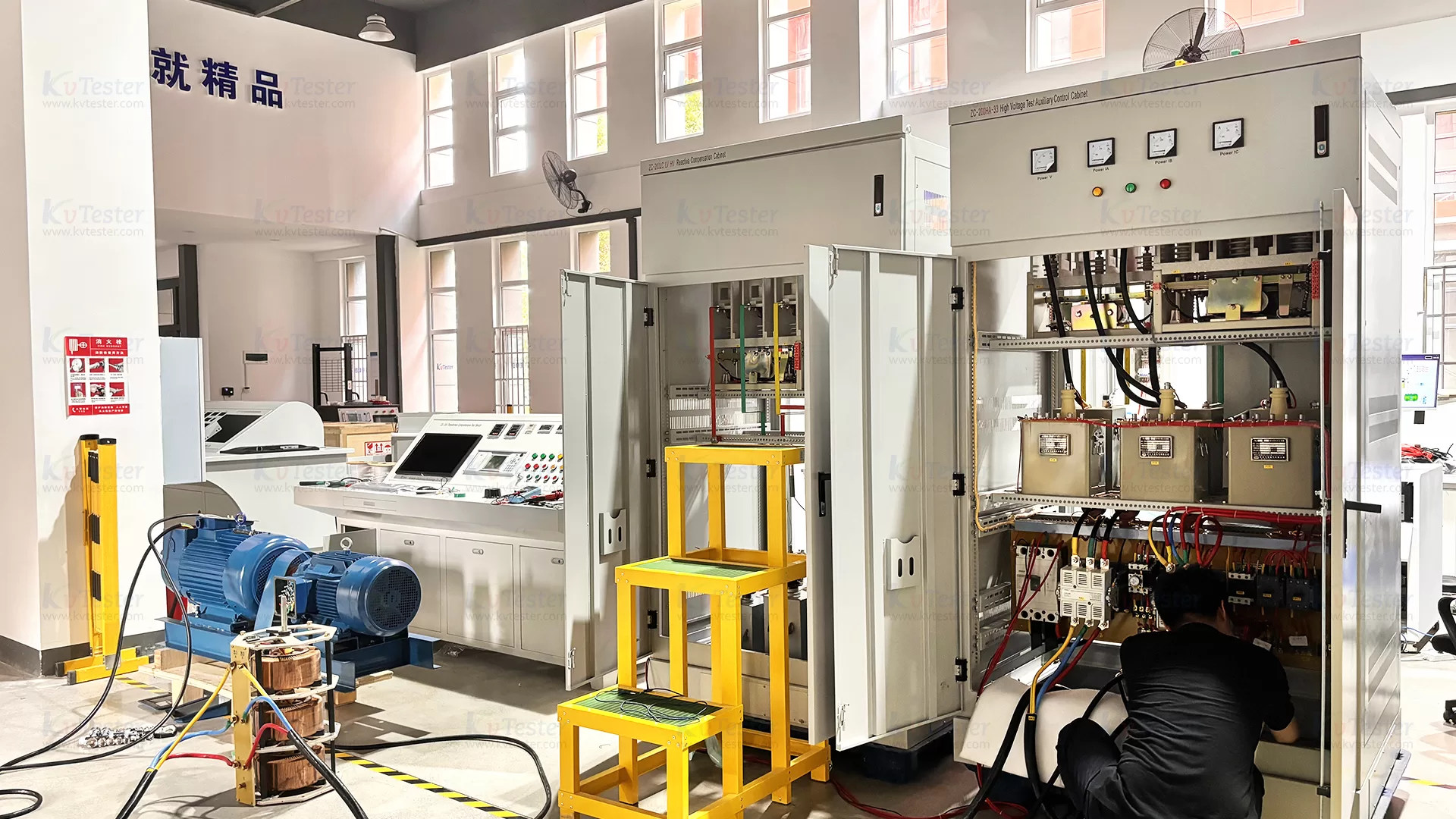
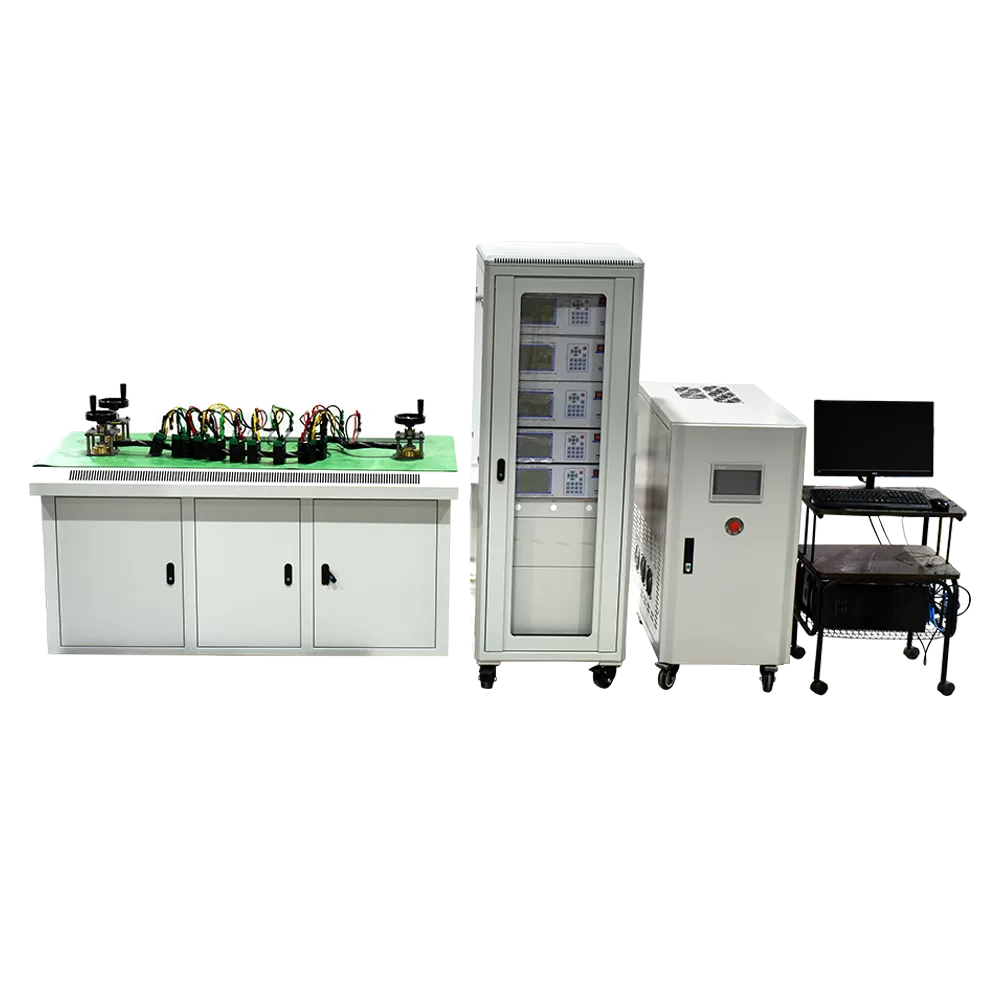
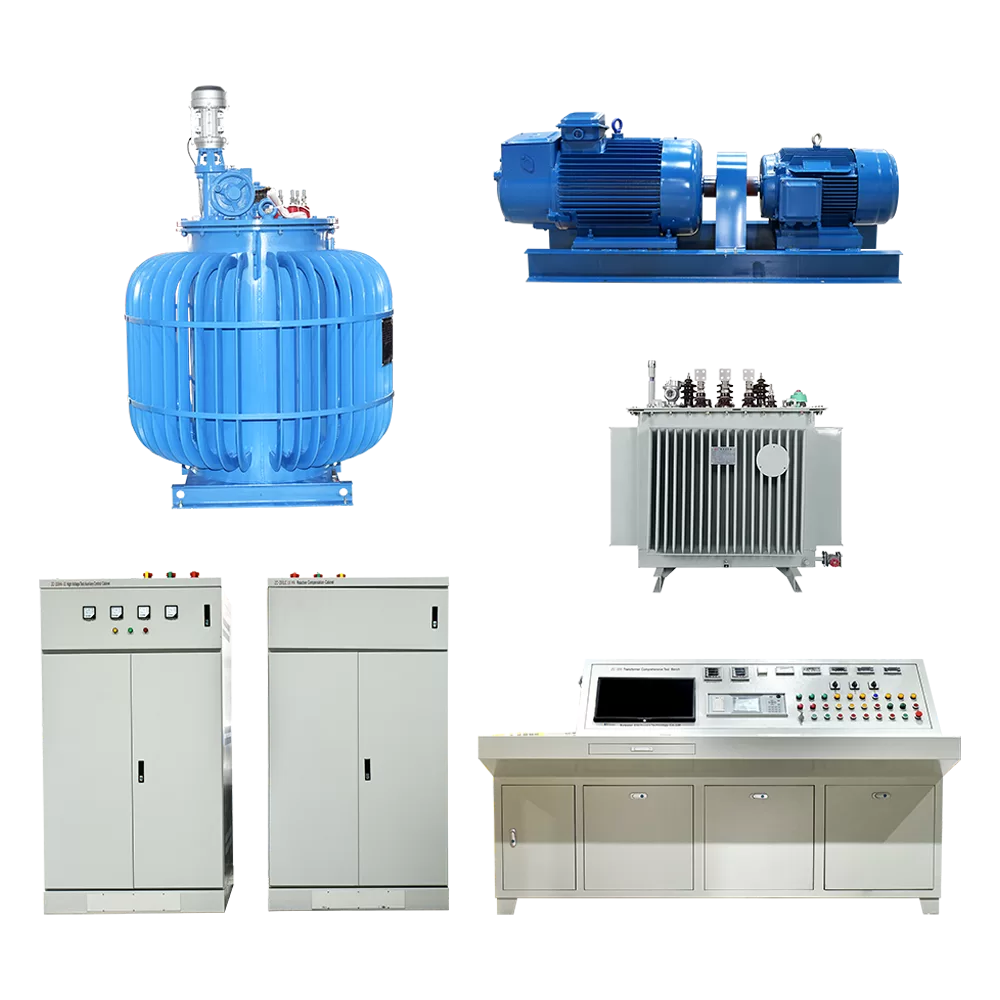
The ZC-200 Transformer Comprehensive Test Bench is mainly used to test the no-load and load characteristics of power transformers and distribution transformers. It can also perform frequency-doubling induced voltage withstand tests and power-frequency voltage withstand tests on transformers under test.The measurement system is controlled by a high-performance microcontroller. Displayed values and test data from no-load and short-circuit tests are sampled synchronously by the microcontroller, reducing errors caused by separately reading voltmeters, ammeters, and power meters and then performing manual calculations using traditional test methods.
This equipment is suitable for transformer manufacturers and maintenance departments. It can be used for factory testing and routine testing of three-phase transformers with capacities up to 5,000 kVA and voltage ratings up to 36.2/13.2 kV.The test bench features simple operation, accurate measurement, and reliable performance. It complies with relevant national standards, including GB/T 4776, GB/T 5169, and GB 4285—1993.
Related Products
Latest News
-
 2026-09-20CT PT Analyzer for Commissioning: Substation Testing Guide
 -
 2026-09-20ANSI Standard CT Tester: Specs, Tests & Buying Guide
 -
 2026-09-18Why does the required capacity of series resonant test equipment usually increase with cable length?
 -
 2026-09-18How should 35kV cable series resonant withstand voltage test equipment be configured?
 -
 2026-09-18How to Select AC Withstand Voltage Test Equipment for 10kV Cables?