
Home » News » Company News
What Features Should a Resistance Tester for Transformer Factory Have?
What should a transformer factory look for in a resistance tester? Is high measurement accuracy enough, or do test current, measurement range, three-phase testing, data storage, and safety functions matter just as much? More importantly, which features can make routine transformer resistance testing faster, easier, and more reliable?
For a transformer manufacturer, the right resistance tester needs to fit the actual testing process. We focus on practical functions that help technicians obtain stable measurements, manage test data, and complete transformer testing more efficiently.
Why Does a Transformer Factory Need a Reliable Resistance Tester?
Resistance testing is an important part of transformer quality inspection. A suitable tester should provide the required test current and measurement range while maintaining stable and accurate readings.
We provide a range of transformer test equipment for different testing requirements. Depending on the production process, a transformer factory may need dedicated resistance measurement or a more comprehensive testing system that combines several transformer test functions.
Key Resistance Tester Features for Transformer Testing
Once the testing requirement is clear, the next step is to focus on the specifications that directly affect measurement quality. Test current, measurement range, accuracy, and testing functions should be considered together.
Test current is important because different transformer windings can require different measurement conditions. A suitable resistance tester should provide an appropriate current range for the resistance values being measured.
The measurement range is equally important. It should cover the expected resistance values without forcing the operator to use an unsuitable test configuration. A wider and properly matched range gives technicians more flexibility when testing different transformer windings.
Accuracy and resolution also matter during factory quality inspection. Stable measurements make it easier to compare winding resistance values, identify abnormal differences, and maintain consistent testing procedures.
For three-phase transformers, three-phase resistance measurement and unbalance calculation can further simplify the testing process. Instead of reviewing each phase separately, technicians can compare the three-phase results within the same testing workflow.
Faster Transformer Resistance Testing Means Less Waiting
When resistance testing is repeated throughout a manufacturing process, testing efficiency becomes important. Long charging or discharging times can slow down the workflow, particularly when several transformers need to be tested in succession.
A suitable resistance tester should therefore provide efficient measurement and clear test status information. Automatic measurement, discharge management, and straightforward operation can reduce unnecessary waiting between testing steps.
When a transformer factory needs to perform several types of tests rather than resistance measurement alone, a more comprehensive configuration may be appropriate.
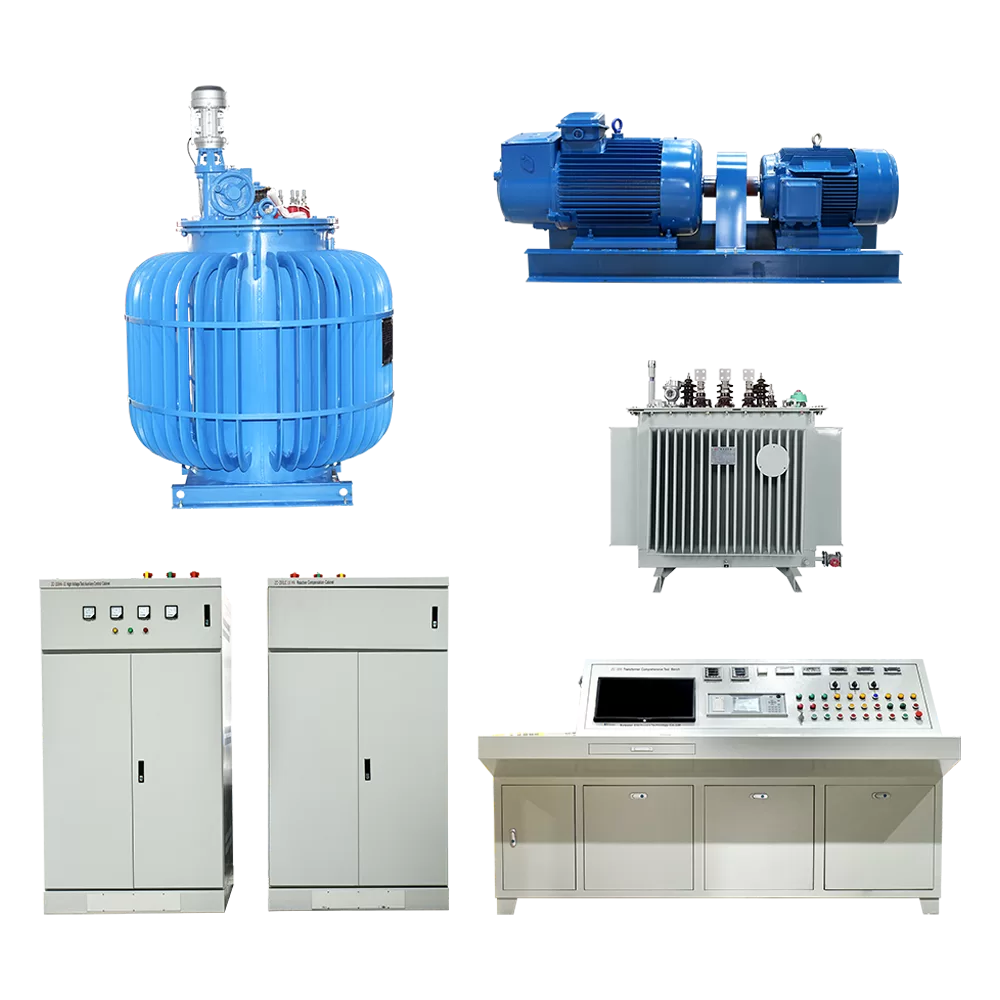
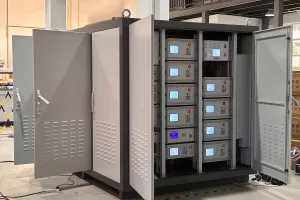
Our ZC-200 Transformer Test Control Desk combines multiple transformer tests within one modular system. It supports:
- No-load characteristics
- Load characteristics
- Winding resistance
- Transformation ratio group
- Power frequency withstand voltage
- Induction withstand voltage
- Insulation resistance
The modular structure allows the testing configuration to be adjusted according to the actual testing requirements.
Data Management Should Be Part of the Resistance Tester
A test result is more useful when it can be saved and reviewed later. For factory quality control, convenient data management also reduces reliance on handwritten records.
When choosing a resistance tester, consider how test data will be recorded, stored, reviewed, and transferred within the quality-control process.
For a comprehensive transformer testing workflow, the ZC-200 uses a PLC + industrial control computer architecture to automatically record test results and generate reports. This brings testing and result management into the same workflow.
Safety Functions Matter in Transformer Factory Testing
Electrical testing requires clear protection and discharge management. A resistance tester should therefore provide safety functions that help operators identify abnormal conditions and complete the test safely.
Protection functions should be considered together with the test voltage, current, transformer capacity, and overall testing configuration. Clear interlocking and protection can help reduce operating errors during comprehensive transformer testing.
The ZC-200 provides interlocking between testing items as well as:
- Zero-position protection
- Overvoltage protection
- Overcurrent protection
- High-voltage ungrounded protection
CT and PT are used inside the test bench to isolate high and low voltage, while the operating panel is positioned away from high-voltage hazards.
Clear Operation Makes Daily Testing Easier
A tester used repeatedly in a manufacturing environment should be easy to operate and easy to read. Clear test information helps technicians complete measurements without unnecessary operating steps.
The operating interface should make it easy to select test items, monitor the test process, and review results. For a comprehensive testing system, automated operation can further reduce repetitive manual work.
The ZC-200 uses a PLC and industrial control computer to control the testing process. Operators can select the required test items and manage the testing procedure through the control system.
Match the Resistance Tester to Your Testing Scope
Not every transformer factory has the same testing workflow. The right configuration depends on whether the main requirement is resistance measurement or a wider range of transformer tests.
For factories that mainly perform winding resistance testing, the key considerations are test current, measurement range, accuracy, resolution, three-phase measurement, data management, and safety functions.
For factories that need several transformer tests in one system, a comprehensive solution can reduce the need for separate testing setups. The ZC-200 integrates winding resistance with no-load, load, ratio, insulation, and withstand voltage testing.
Its modular design allows the configuration to be adapted to the required test items, making it suitable for transformer manufacturing processes that involve multiple routine and quality inspection tests.
Resistance Tester Solutions for Transformer Manufacturing
We develop testing solutions around actual electrical manufacturing requirements. Our manufacturing applications cover transformer factories, instrument transformer factories, high-voltage switchgear factories, and cable factories.
For transformer manufacturers, equipment can be selected according to the required measurement range, test current, number of test items, and level of automation. This helps ensure that the testing system fits the production and quality inspection process rather than adding unnecessary functions.
How to Choose a Resistance Tester for Your Transformer Factory
Before purchasing a resistance tester, we recommend checking the specifications that directly affect your testing work:
- Test current: Make sure the available current levels match the required resistance measurements.
- Measurement range: Confirm that the tester covers the resistance values you need to measure.
- Accuracy and resolution: Check whether the specifications meet your quality-control requirements.
- Three-phase testing: Consider whether three-phase resistance data and unbalance calculation are required.
- Data management: Determine how test results will be stored and reviewed.
- Safety functions: Check the protection and interlocking requirements for your testing process.
- Testing scope: Decide whether a dedicated resistance tester or a comprehensive transformer test system is more suitable.
The right choice should be based on the transformer type, testing procedure, production volume, and required test items.
Choose the Right Resistance Tester for Your Transformer Factory
A resistance tester should do more than provide a resistance reading. The right combination of test current, measurement range, accuracy, data management, safety functions, and testing efficiency can make daily transformer factory testing more consistent and manageable.
When resistance measurement is part of a wider transformer testing process, an integrated system can also simplify equipment configuration and test management.
At Kvtester, we provide transformer testing solutions for different manufacturing requirements. We can help configure a solution according to your transformer type, required test items, testing procedure, and production requirements.
If you are planning to upgrade transformer factory testing equipment, contact Kvtester with your testing requirements and let us help you determine a suitable configuration.
Related Products
Latest News
-
 2026-09-23How Can You Choose the Right Multi-Function Variable Frequency PT Tester Supplier?
 -
 2026-09-22Smart ANSI Standard PT Tester For Grid Applications
 -
 2026-09-22Digital CT Tester Supplier for Substation Commissioning
 -
 2026-09-21Smart Transformer Testing Equipment: Features for Efficient Testing
 -
 2026-09-21Transformer Testing Equipment for Grid Maintenance Guide