1. Core Measurement Technical Specs (Key Price-Determining Factor)
Measurement accuracy, testing range and resolution are the core technical indicators that distinguish low-end and high-end transformer testers, and also the primary basis for price differentiation. Industrial-grade high-precision models with certified specs are significantly more expensive than civilian basic models.
1.1 Turn Ratio & Phase Angle Test Specs
Turn ratio testing is the most basic function of transformer testers, and accuracy parameters directly affect power grid operation safety. Entry-level portable testers adopt conventional measurement algorithms, with a typical ratio error of ±0.1% and a phase angle error of up to 5 minutes, priced at $800–$1,200, suitable for small distribution transformer daily inspection.
Mid-to-high-end industrial transformer testers optimize signal acquisition and algorithm processing, achieving a typical ratio error of <0.05% and a maximum error of 0.1%, with phase angle measurement error controlled within 3 minutes. This high-precision spec fully meets national power industry calibration standards, applicable to substation high-voltage transformer detection, and the corresponding equipment price rises to $1,500–$3,000. In addition, high-end models support a resolution of 0.0001, realizing ultra-fine data capture, which is a key technical symbol of high-priced professional equipment.
1.2 Winding Resistance & Electrical Parameter Accuracy
Winding resistance testing requires anti-interference and high-stability circuit design. Mainstream high-spec transformer testers achieve ±0.2% full-scale accuracy for voltage, current and power parameters; for low power factor working conditions (0.02<CosΦ<0.2), the power accuracy is stably controlled at ±0.3%. The resistance test range covers 2.0Ω–60Ω (0.1A range) and 30Ω–50kΩ (10mA range), covering all common low and high resistance transformer winding test scenarios.
Low-cost basic testers usually have an accuracy error of ±0.5% or higher, with narrow test ranges and poor anti-interference ability, which cannot adapt to complex on-site power environments. The technical gap in precision and range leads to a clear price hierarchy in the market.
1.3 Multi-Frequency Test Capability
Advanced transformer testers support multi-frequency adjustable testing, covering 50Hz, 100Hz, 500Hz, 1kHz up to 200kHz, with AC drive output of 10mV–2V RMS and 5-digit frequency resolution. This multi-frequency technical spec can detect transformer inductance, leakage inductance, impedance and inter-winding capacitance in all directions, realizing multi-parameter integrated testing. Single-frequency fixed-test basic models lack comprehensive detection capability, so their pricing is only 40%–60% of multi-frequency high-spec models.
2. Hardware Configuration & Structural Technical Specs (Affect Service Life & Comprehensive Cost)
Hardware design, structural technology and portable performance determine the equipment’s on-site adaptability, durability and maintenance cost, which are important hidden factors affecting the comprehensive pricing of transformer testers. High-quality industrial-grade hardware configurations correspond to higher factory costs and market prices.
2.1 Portable Body & Weight Specs
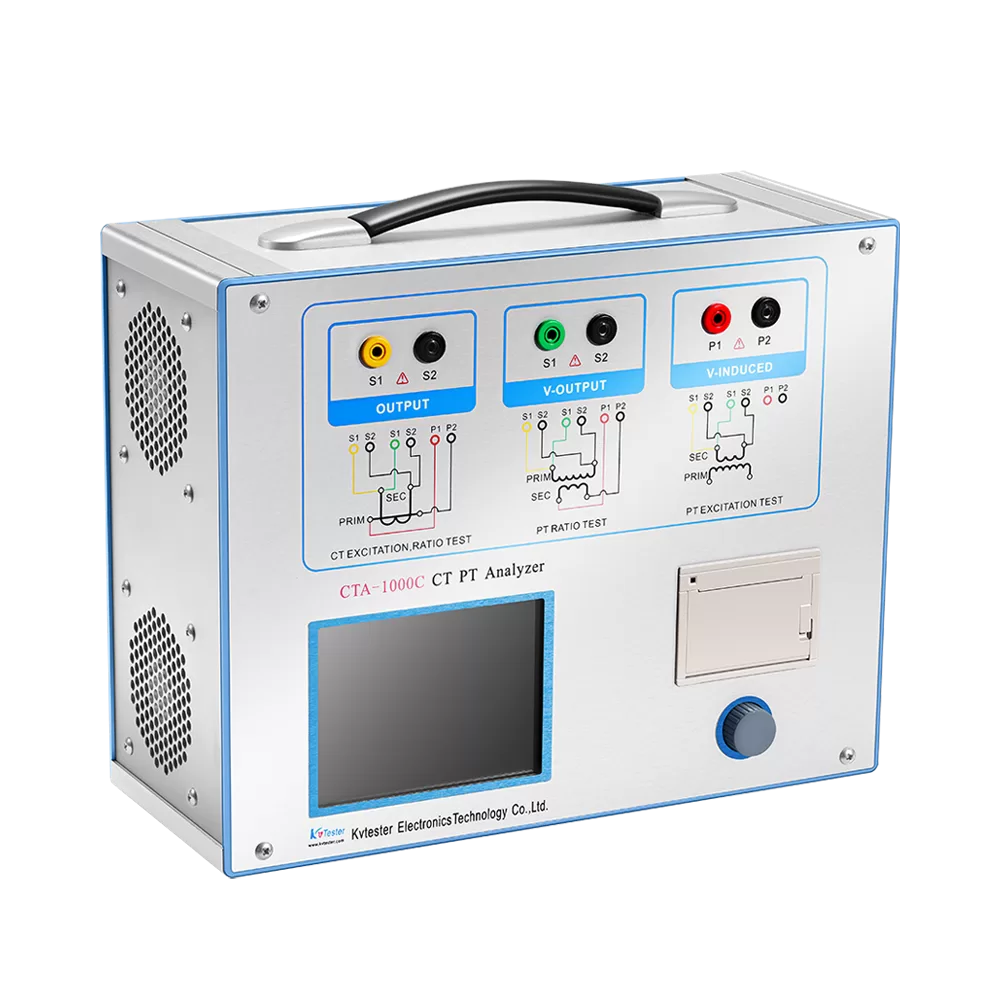
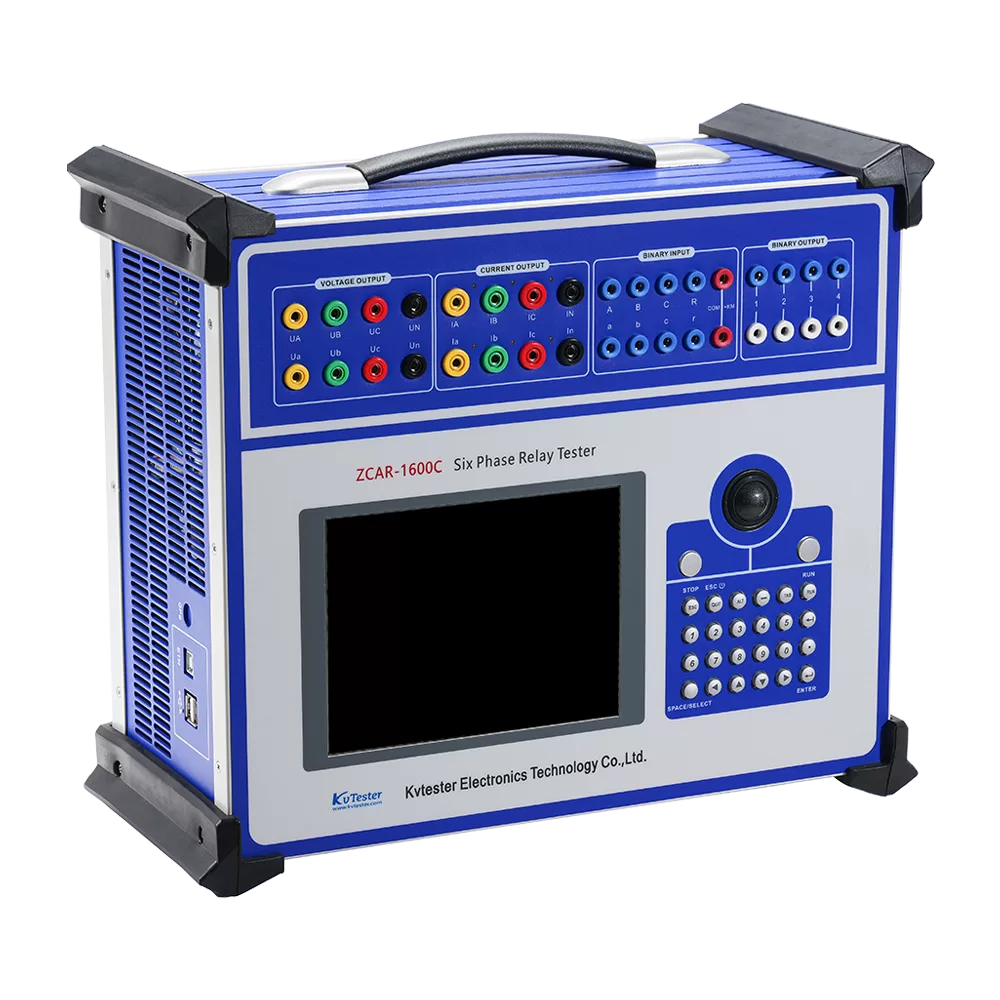
Lightweight integrated design is a mainstream technical trend of modern transformer testers. Entry-level portable single-phase testers adopt miniaturized circuits, with a net weight of only 3.8kg, easy for single-person operation, and the price is economical, suitable for small engineering teams. Industrial comprehensive testers integrate multiple testing modules, with a size of 485mm * 356mm * 183mm and a weight of less than 15kg. While ensuring full-function integration, they control portability, balancing professional performance and on-site operability, with a moderate price.
Bulky split traditional testing equipment has low integration, complicated wiring and low testing efficiency, though the hardware cost is low, the comprehensive use cost is high, and the current market circulation price is gradually declining.
2.2 Environmental Adaptability Technical Specs
On-site power detection faces complex temperature and humidity environments, so environmental adaptability specs directly determine equipment stability. Standard industrial-grade transformer testers support a working temperature range of -10℃ to 50℃ and a maximum working humidity of ≤90% (non-condensing); high-grade enhanced models extend the temperature range to -25℃ to 65℃, adapting to extreme cold and high-temperature outdoor working conditions.
Low-cost testers usually only support 0℃–40℃ conventional temperature operation, which is prone to data drift and equipment failure in extreme environments. The environmental resistance technical gap makes high-adaptability models 20%–30% more expensive than basic models.
2.3 Data Storage & Operating Hardware
High-spec transformer testers are equipped with large-capacity storage modules, which can store more than 1000 groups of test data, supporting real-time query, export and data analysis. They match high-definition large-screen display systems, with intuitive data presentation and intelligent operation logic. Basic low-priced models only support dozens of data storage, without batch export and intelligent analysis functions, with simple and single hardware configuration.
3. Functional Integration Technology & Pricing Correlation
The functional integration level of transformer testers is the core factor of price span. According to technical function differences, the market is divided into three specification grades, with clear price boundaries:
3.1 Single-Function Basic Tester ($800–$1,200)
This type of equipment only retains core turn ratio testing functions, with single test items, fixed test frequency, general measurement accuracy, and simple hardware configuration. It is technically positioned in daily routine inspection of small distribution transformers, with low R&D and production costs, and the lowest market price. It is suitable for users with single test demands and low precision requirements.
3.2 Multi-Function Integrated Tester ($1,500–$3,000)
Integrates winding resistance test, turn ratio test, phase angle error detection and basic electrical parameter analysis in one device, eliminating the need for multiple instruments for matching detection. It adopts four-terminal Kelvin testing technology, which effectively eliminates lead resistance interference and improves on-site test accuracy. This technical integration optimization greatly improves engineering efficiency, with high cost performance, and is the mainstream model for power engineering and maintenance projects.
3.3 High-End Comprehensive Precision Tester ($3,000–$5,000+)
Equipped with full-spec technical capabilities: multi-frequency adjustable testing, ultra-high precision measurement, strong anti-electromagnetic interference ability, extreme environmental adaptation, and intelligent data analysis functions. It supports dielectric loss, capacitance and other transformer insulation performance testing, covering all detection items of power transformers, distribution transformers and special transformers. With leading technical indicators and full-scenario adaptability, it is mainly used for power grid substations, transformer factory calibration and high-standard engineering projects, with the highest market pricing.
4. After-Sales Technical Support & Warranty Specs Affecting Long-Term Price
Formal industrial-grade transformer testers are equipped with standardized technical service specs: 1-year official warranty, lifetime technical support and on-site technical debugging services. High-priced high-spec models support free firmware upgrade and technical parameter calibration services for life, ensuring long-term equipment accuracy and compatibility with industry standard upgrades.
Low-cost low-spec products usually only provide basic after-sales warranty, without professional technical calibration and upgrade services. Although the one-time purchase price is low, the later maintenance and calibration cost is high, and the comprehensive cost performance is lower than medium and high-spec models.
5. 2026 Transformer Tester Price Selection Guide Based on Technical Specs
- Budget limited, single daily inspection demand: Choose single-function portable tester (spec: error ≤0.1%, conventional temperature adaptation, basic data storage), price $800–$1,200, meeting basic detection needs.
- Engineering maintenance, multi-scenario detection: Choose multi-function integrated tester (spec: accuracy ±0.2%, -10℃~50℃ environment adaptation, 1000+ group data storage), price $1,500–$3,000, optimal cost performance.
- Factory calibration, power grid high-standard detection: Choose high-end comprehensive tester (full-frequency test, extreme environment resistance, full-parameter detection), price $3,000+, stable and accurate for long-term professional use.
Conclusion
There is no fixed standard for transformer tester price in the market. All price fluctuations are based on technical specification differences including measurement accuracy, functional integration, hardware configuration and environmental adaptability. When purchasing, users should avoid simply pursuing low prices, and match equipment technical parameters with actual test scenarios and precision requirements. Only selecting testers with compliant core specs and stable hardware performance can reduce later maintenance costs and improve detection efficiency, realizing real high cost performance.

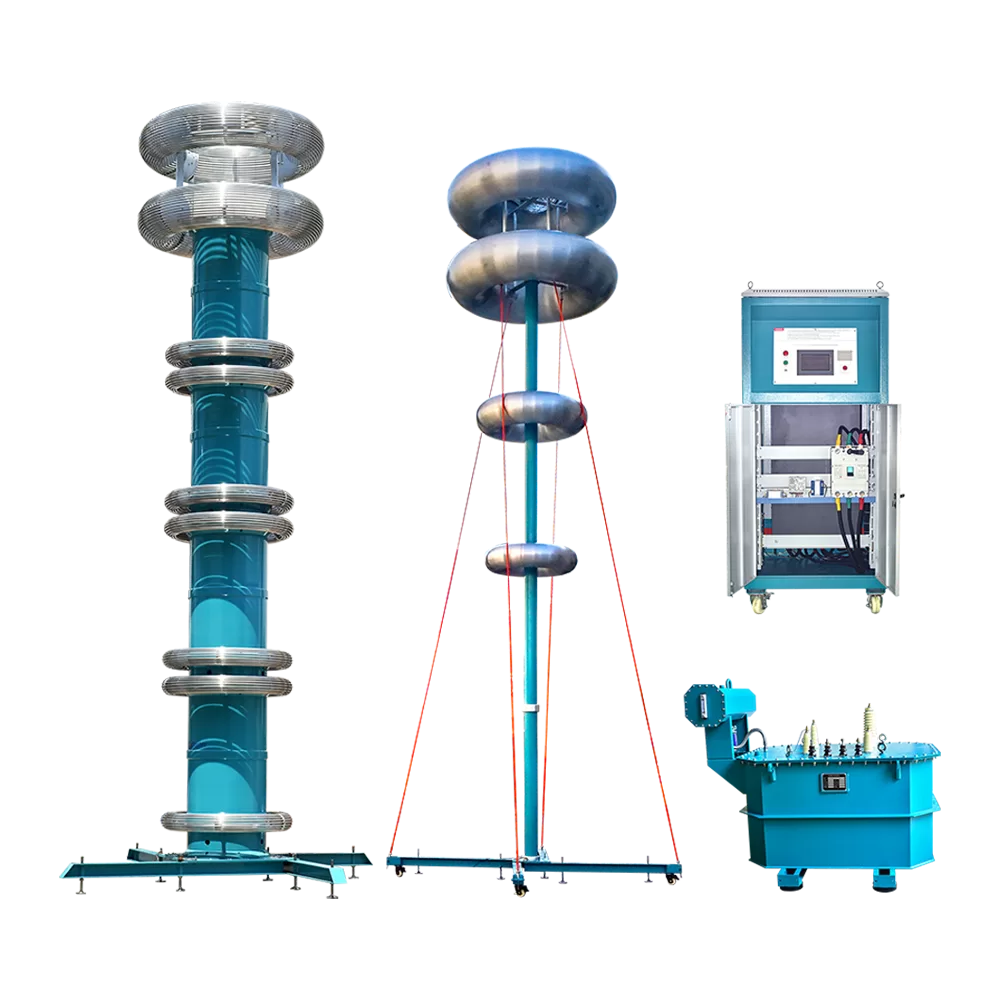
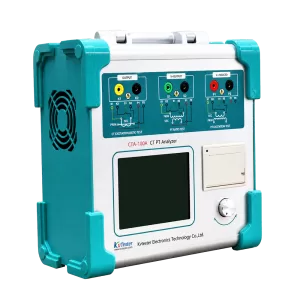 2026-09-20CT PT Analyzer for Commissioning: Substation Testing Guide
 2026-09-20ANSI Standard CT Tester: Specs, Tests & Buying Guide
 2026-09-18Why does the required capacity of series resonant test equipment usually increase with cable length?
 2026-09-18How should 35kV cable series resonant withstand voltage test equipment be configured?
 2026-09-18How to Select AC Withstand Voltage Test Equipment for 10kV Cables?