Features and Advantages
1. High detection sensitivity and wide measurement range
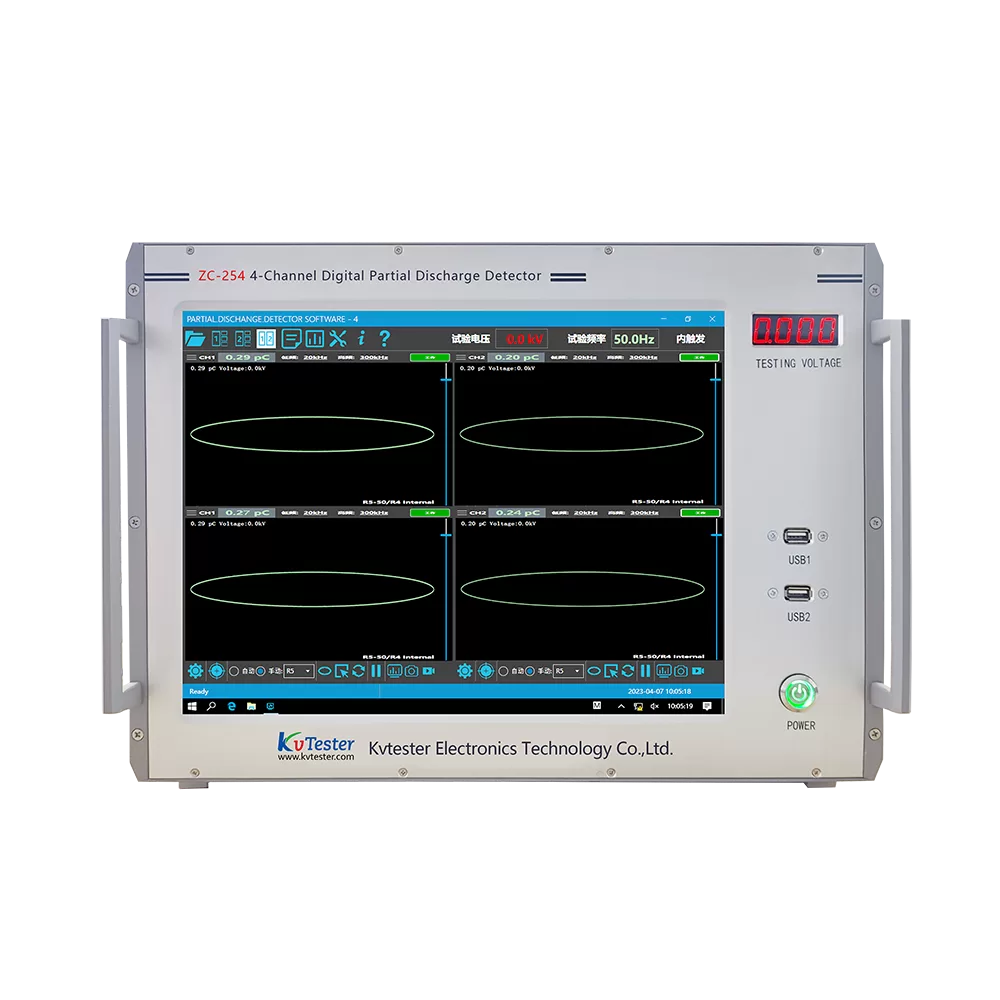
The instrument offers high sensitivity for partial discharge detection, with a measurement range of 0.1 pC to 10,000 nC and an equivalent capacitance range for test objects of 6 pF to 250 μF. By configuring different input units, it can accommodate the partial discharge testing needs of test objects with varying capacities.
2. One-touch automatic calibration for ease of use
It supports a one-touch automatic calibration function; when used with a calibration pulse generator, discharge magnitude calibration can be completed quickly. Once calibrated, the instrument directly displays the actual discharge magnitude of the test object—eliminating the need for manual conversion—thereby improving testing efficiency.
3. Nine frequency band combinations to suit diverse testing environments
The instrument’s amplifier supports three low-frequency cutoff settings (10 kHz, 20 kHz, 40 kHz) and three high-frequency cutoff settings (80 kHz, 200 kHz, 300 kHz), resulting in nine possible frequency band combinations. Users can flexibly select the frequency band based on the testing environment to avoid interference frequencies and enhance the clarity and distinguishability of the test signals.
4. Strong anti-interference capability; enhanced testing reliability
The instrument employs frequency band selection and time-windowing technologies. By adjusting the position and width of the time window, it effectively avoids fixed-phase interference pulses. When used with a dedicated adapter, it can also filter out high-frequency interference mixed within the partial discharge signal, thereby improving the signal-to-noise ratio and enhancing on-site testing performance.
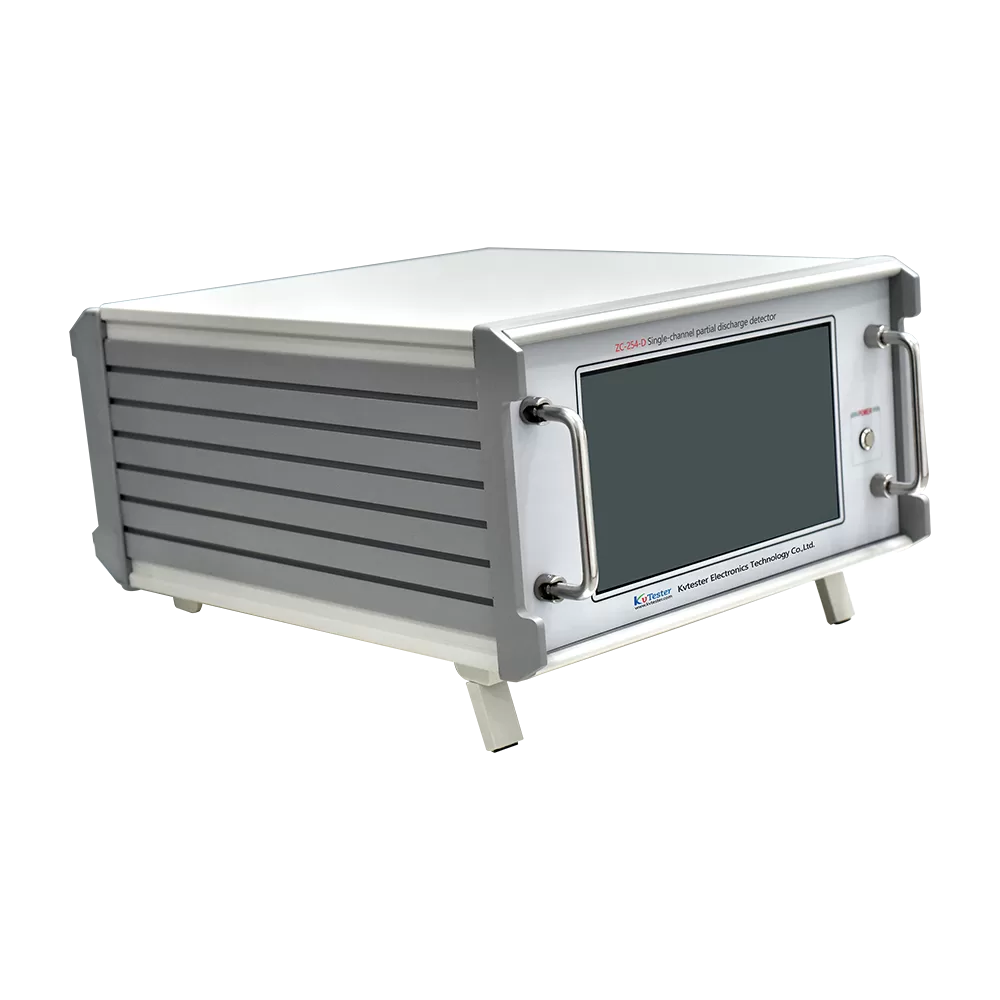
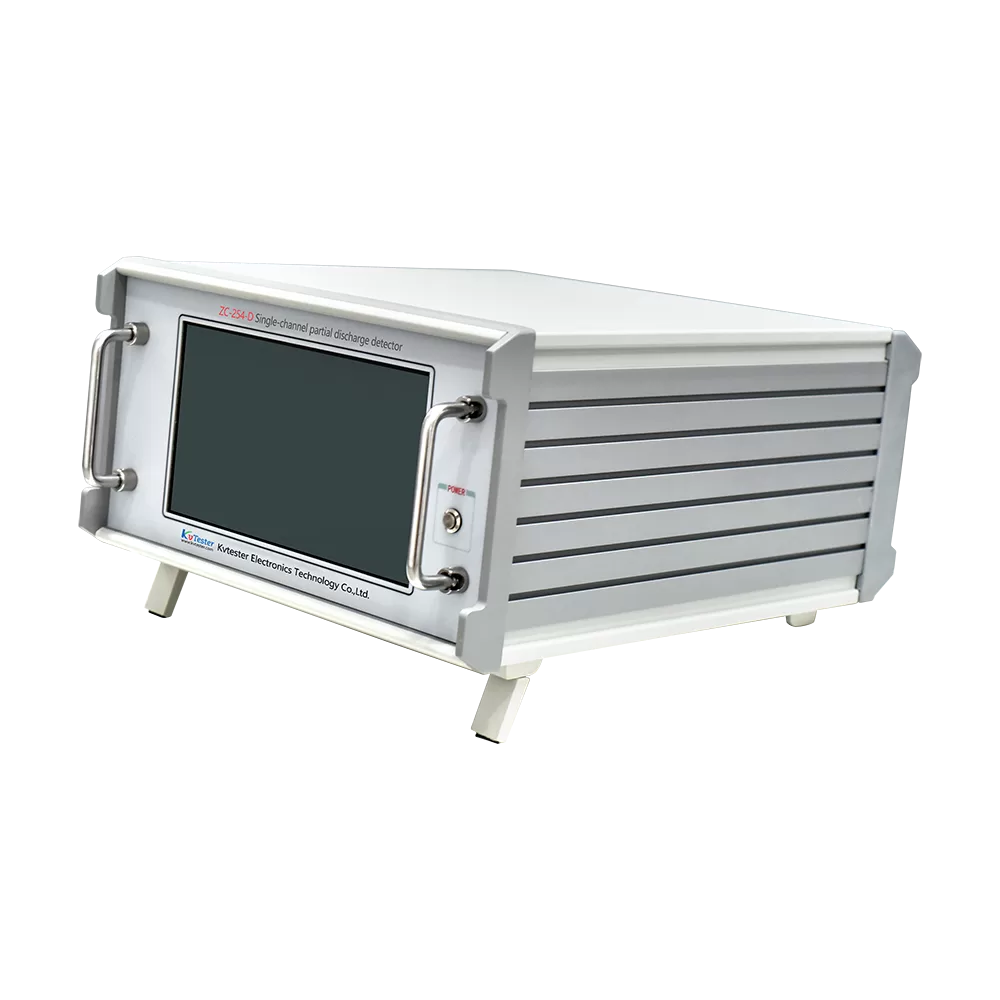
5. High-definition touchscreen; clear, intuitive waveform display
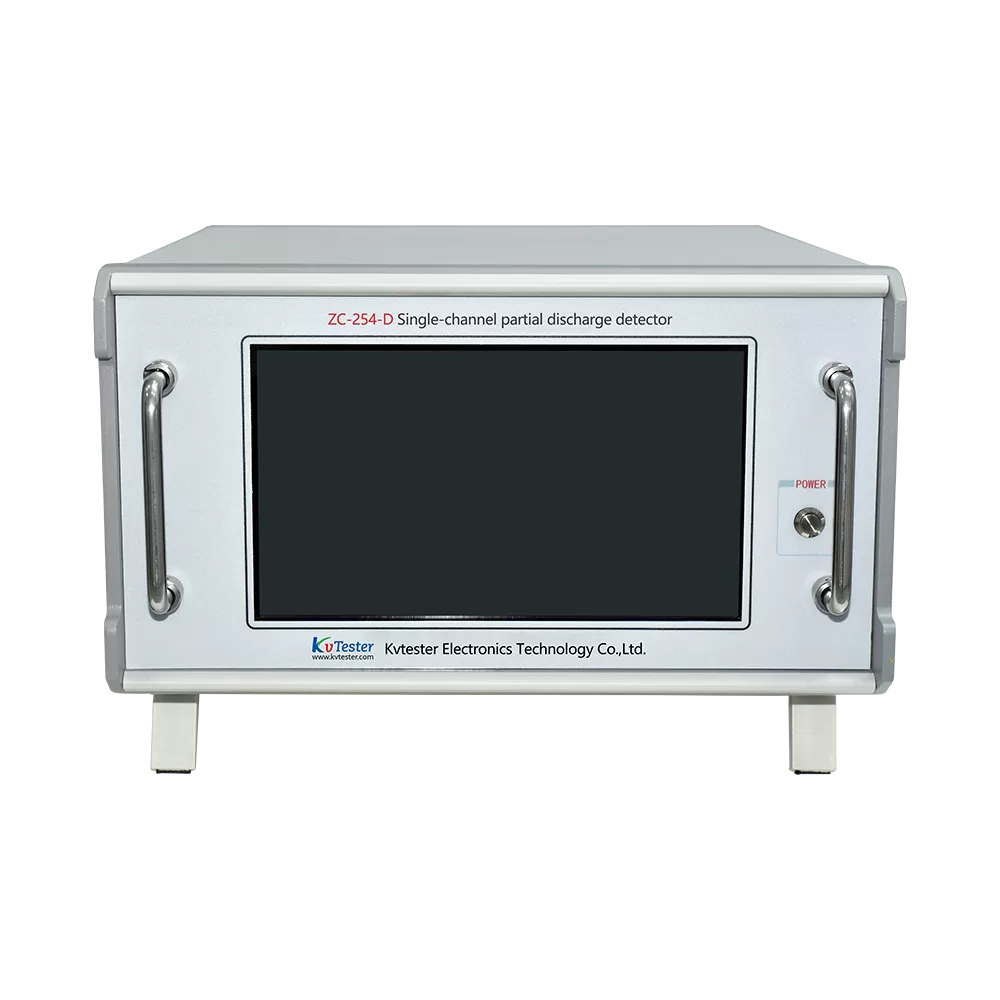
Equipped with a 10.1-inch capacitive touchscreen, the instrument provides real-time display of parameters such as partial discharge waveforms, peak discharge magnitude, test voltage, and frequency. It supports three display modes—elliptical, sine wave, and linear—facilitating the observation of discharge signals and the analysis of discharge characteristics.
6. Wide dynamic amplification range; flexible gain adjustment
The instrument utilizes a multi-stage amplification design. The amplifier gain supports six levels of coarse adjustment (with a 20 ± 1 dB difference between levels) and a fine adjustment range exceeding 20 dB. This allows for flexible adjustment based on the intensity of partial discharge signals, meeting testing requirements across various measurement conditions.
7. High adaptability; broad application range
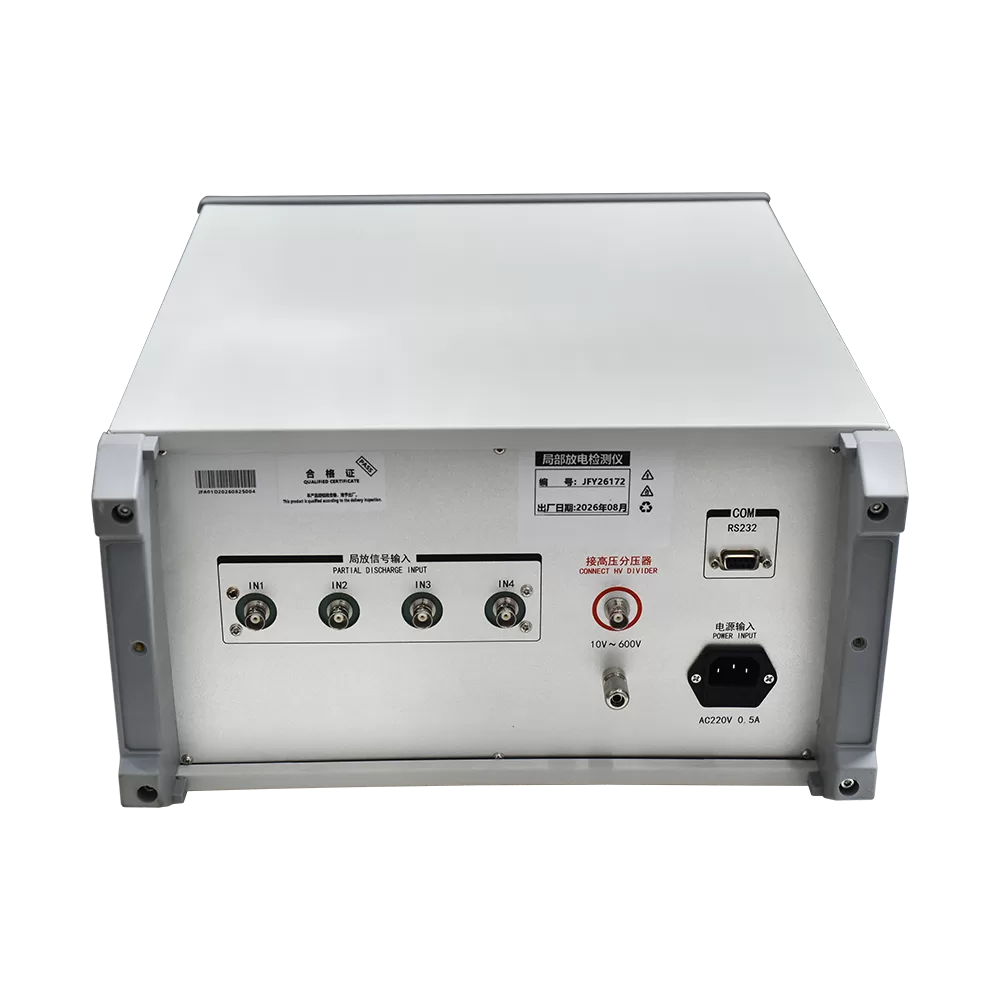
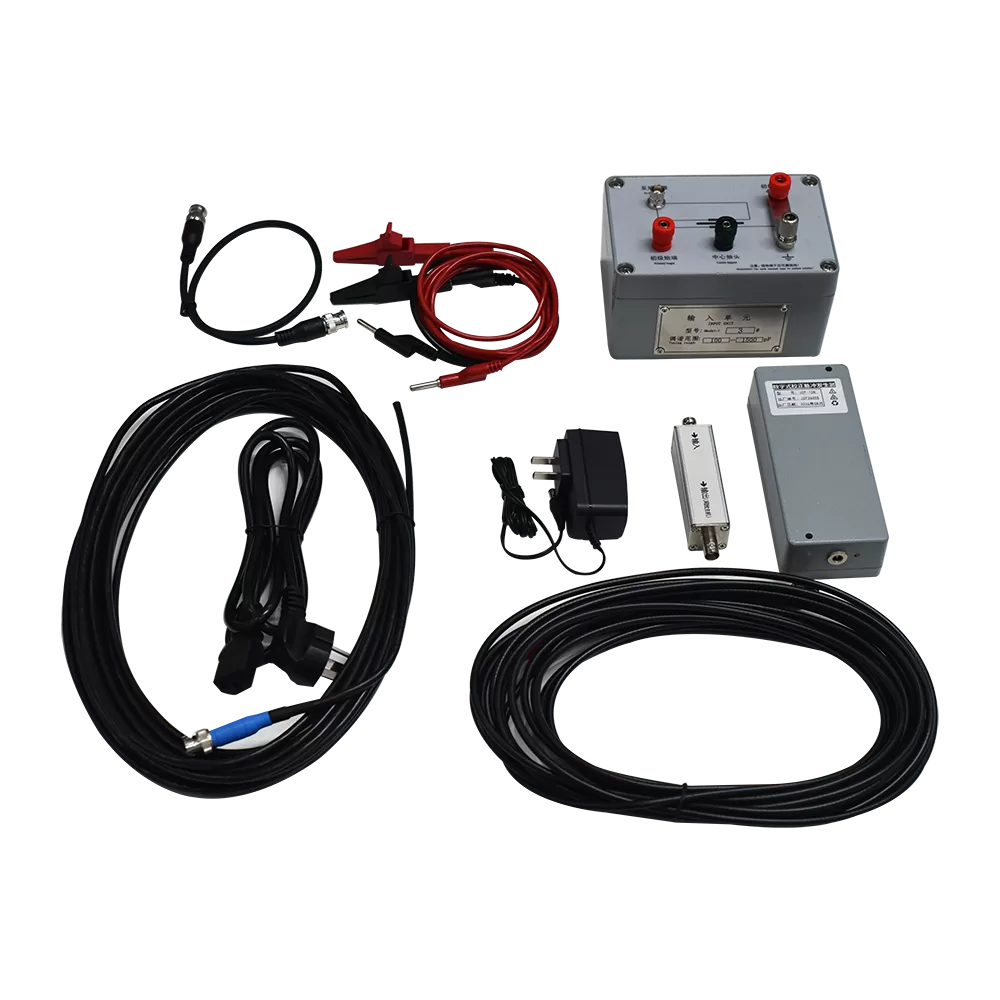
The instrument supports multiple wiring configurations for partial discharge detection, including parallel, series, and balanced methods. It allows for the selection of appropriate input units based on the test object’s capacitance, making it suitable for partial discharge testing on various types of electrical insulation samples.
8. Data communication support; easy system integration
Equipped with an RS232 serial communication interface, the instrument can transmit parameters—such as partial discharge magnitude, test voltage, and test frequency—to other devices, facilitating data acquisition and integration with external testing systems.
Parameter
| Partial discharge measurement range | 0.1 pC – 10,000 nC |
| Test object equivalent capacitance | 6 pF – 250 μF |
| Measurement channels | Single channel |
| Display | 10.1-inch capacitive touchscreen |
| Frequency band combinations | 9 types |
| Amplifier low-frequency cutoff | 10, 20, 40 kHz |
| Amplifier high-frequency cutoff | 80, 200, 300 kHz |
| Sweep frequency | 50/60, 100, 150, 200, 400 Hz |
| Test voltage display range | 150 kV |
| Test voltage display error | ±1% |
| Pulse peak display error | ±3% (full scale) |
| Data communication | RS232 |
| Dimensions | 370 × 460 × 215 mm |
| Instrument weight | Approx. 12.5 kg |