
Home » News » Company News
Multi-function Transformer Testing Equipment OEM Guide
A transformer testing equipment distributor needs a product range that can serve different buyers without creating an unmanageable support burden. A transformer factory may request a comprehensive test platform, while a repair company may need a DC resistance tester first and add further instruments as its service business expands.
An effective OEM program connects product selection, technical documentation, system configuration, delivery scope, branding, and after-sales support. The goal is to help distributors create a dependable testing-equipment offering for their local market.
Plan the Product Portfolio First
A distributor should begin by mapping the customer groups it intends to serve. The most common groups include:
- Distribution-transformer manufacturers
- Power-transformer manufacturers
- Transformer repair workshops
- Electrical testing contractors
- Utility maintenance teams
- Commissioning companies
- Industrial power users
- Educational and testing laboratories
Each group purchases differently. A transformer manufacturer may evaluate throughput, test-bench layout, automation, and routine-test records. A field-service company may prioritize transportability, direct operation, and fast support for a limited number of test items.
A practical portfolio usually combines comprehensive systems with dedicated instruments. This allows a distributor to address high-value factory projects while also serving recurring demand from maintenance and service customers.
Position the Comprehensive Test System
A transformer test bench is suitable for customers who need controlled, repeatable testing across a defined production or repair workflow. It should be sold as a configured system rather than as a universal package.
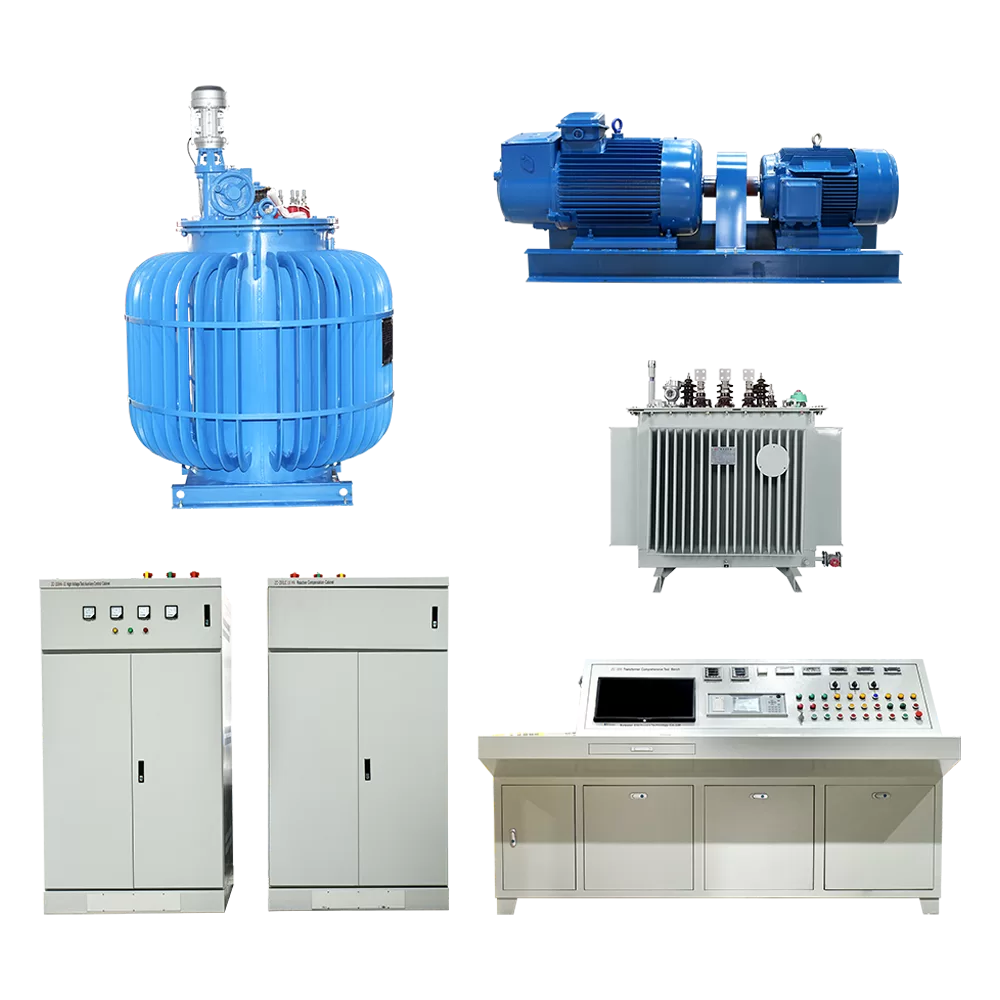
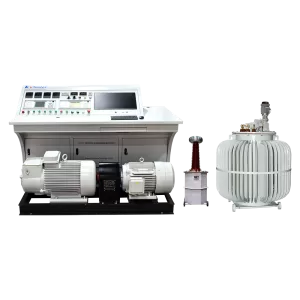
The ZC-200 Transformer Test Control Desk is intended for power-transformer and distribution-transformer testing. Its published scope includes no-load and load characteristic tests, power-frequency withstand voltage, induced withstand voltage, and temperature-rise testing. The system is designed for transformer production and maintenance departments and can support factory testing and routine testing of three-phase transformers up to 3150 kVA/10 kV in its stated configuration.
For distributors, the most important pre-sales step is to collect the transformer voltage class, capacity range, phase arrangement, production volume, required test items, local power supply, installation space, test-area safety layout, and required automation level. These details determine whether the standard configuration is appropriate or whether the system requires engineering changes.
Add Portable Instruments for Service Work
A comprehensive test desk is not the only product a distributor should offer. Repair contractors and utility service teams often require individual instruments that can travel to a transformer location.
The ZC-205A DC Resistance Tester provides a practical addition to a distributor portfolio. It offers six selectable output-current ranges from 2 mA to 10 A, measures winding resistance with 0.1 μΩ resolution, stores up to 1,000 test results, and provides three-phase data display, phase-unbalance calculation, wiring inspection, overcurrent protection, and discharge indication.
A distributor can use this type of instrument to address maintenance tasks, repair verification, phase comparison, tap-change checks, and routine winding-resistance measurement. It also creates an accessible entry point for customers who may later require a broader transformer testing configuration.
Define the OEM Delivery Scope
OEM cooperation works best when the delivery scope is written clearly before production begins. “OEM” may mean different things in different projects, so the distributor and manufacturer should agree on the exact deliverables.
- Product model and final technical configuration
- Brand name, logo, label design, and nameplate information
- Manual language and product-document format
- Packaging design and carton markings
- Test leads, standard accessories, optional accessories, and spare parts
- Software language and data-management requirements
- Power supply requirements for the destination market
- Training for the distributor’s sales and technical team
- Warranty handling and repair responsibilities
- Lead time, packing method, shipment documents, and inspection requirements
For system projects, define the installation boundary as well. This may include the test desk, voltage regulator, test transformer, computer, software, connection cables, safety accessories, and required site preparation. A complete configuration list reduces ambiguity after the order is placed.
Support Technical Sales
Distributors need clear tools for technical communication. Product brochures alone are rarely sufficient when customers are comparing factory test systems or requesting an OEM quotation.
- Model-specific technical specifications
- System configuration drawings
- Operating manuals in English
- Test-item lists
- Typical result screens or sample records
- Product photos and packing information
- Installation requirements
- Commissioning and training scope
- Warranty and spare-parts policies
- A structured request-for-quotation form
Kvtester can support distributors serving transformer manufacturers, maintenance organizations, and power-system testing customers with transformer test equipment and related technical documentation.
Develop a Market Ladder
A distributor can create a clearer sales path by organizing equipment according to customer maturity.
A new testing contractor may start with a DC resistance tester and other portable diagnostic instruments. A repair workshop may expand into capacity, ratio, insulation, and loss testing. A growing transformer factory may require a controlled test desk that integrates no-load, load, and withstand-voltage procedures into a more structured workflow.
This approach prevents a common sales problem: proposing a high-value test bench to a buyer whose immediate need is a portable single-function tester, or offering an isolated instrument to a factory that needs a repeatable system.
For a broader explanation of linked transformer diagnostic tests, see multi-function transformer testing for reliable diagnosis.
Build a Sustainable OEM Relationship
The long-term value of an OEM partnership depends on more than price. It depends on whether the distributor can explain the equipment correctly, obtain timely clarification, support customer installation, provide manuals and accessories, and maintain confidence after delivery.
A suitable OEM partner should help convert customer information into a defined technical configuration. For transformer testing equipment, provide the transformer ratings, required test items, local power conditions, target market, expected project volume, branding needs, and desired support model. This creates a stronger basis for selecting products, preparing quotations, and building a product line that can grow over time.
Related Products
Latest News
-
 2026-09-18Compact Transformer Testing Equipment for Field Teams
 -
 2026-09-18What Should You Look for When Buying a CT/PT Analyzer from a Supplier?
 -
 2026-09-17How an Intelligent Transformer Tester Supports Safe Transformer Testing
 -
 2026-09-17ANSI Standard Six Phase CT Tester Manufacturer: OEM Selection Guide
 -
 2026-09-17What Transformer Tests Does a Power Plant Need for Reliable Operation?