Home » News » Company News
IEC Standard Custom Transformer Tester for Reliable Testing
How can manufacturers verify transformer performance against applicable IEC requirements while accommodating different ratings, test procedures, and production needs? A suitable custom transformer tester should support the required measurements, provide reliable test data, and fit the actual workflow. Understanding IEC standards, essential test functions, and system configuration helps engineers choose equipment that meets technical requirements without unnecessary complexity.
Why IEC Standards Matter in Transformer Testing
IEC standards provide technical requirements and test methods for evaluating electrical equipment. For power transformers, the IEC 60076 series covers important aspects of transformer performance, testing, and safety.
The applicable standard depends on the transformer type and the test being performed. Engineers should distinguish between product standards, specific test requirements, and the capabilities of the testing instrument.
When selecting an IEC standard transformer tester, consider three factors:
- Applicable standards: Identify the relevant IEC requirements for the transformer and project.
- Required test procedures: Determine which measurements and acceptance criteria apply.
- Equipment capabilities: Verify that the instrument supports the necessary test ranges, methods, and measurement accuracy.
A testing system should not be assumed to comply with every IEC standard simply because it supports some IEC-related tests. The actual configuration and documented test capabilities must match the intended application.
Common Tests Performed by Transformer Testers
A custom transformer tester may combine several instruments into one coordinated system. The required configuration depends on transformer ratings, winding arrangements, and factory or laboratory testing procedures.
Electrical Characteristics Tests
Common transformer tests include:
- Turns ratio and vector group tests to verify transformation ratio and winding connections.
- DC winding resistance tests to identify abnormal resistance and assess winding continuity.
- No-load tests to measure no-load current and losses.
- Load tests to determine load losses and short-circuit impedance under specified conditions.
These tests provide different information about transformer performance. For example, ratio measurement cannot replace a winding resistance test, and no-load loss measurement requires a suitable test configuration.
Insulation and Withstand Tests
Insulation-related tests assess electrical insulation performance under specified conditions. Depending on the transformer and applicable requirements, testing may include power-frequency withstand voltage, induced voltage withstand, insulation resistance, and partial discharge measurements.
Each test requires appropriate equipment, connections, and safety controls. A custom system should include only the functions needed for the intended testing procedures.
When a Custom Transformer Tester Is Needed
A standard instrument may be sufficient for a single measurement, but an integrated testing system can be more practical when several tests must be completed in a coordinated sequence.
Custom transformer testing equipment is particularly useful in the following situations.
- Different transformer ratings: The system must accommodate specified voltage levels, capacities, current ranges, and winding configurations.
- Multiple test requirements: Several electrical and insulation tests need to be integrated into one workflow.
- Production-line testing: Repeated procedures require consistent connections, automated measurements, and organized test records.
- Specialized applications: Particular transformer designs or project specifications require additional functions or dedicated fixtures.
Before requesting a quotation, define the transformer type, rated capacity, voltage levels, winding configuration, and required test items. These details provide a practical starting point for determining the system architecture.
Key Features of IEC Standard Transformer Testing Equipment
A suitable transformer tester should provide the functions needed for the intended tests rather than simply offering the largest number of features.
Measurement Range and Accuracy
Check the voltage, current, resistance, power, and frequency ranges relevant to the required measurements. Confirm that the specified accuracy is suitable for the applicable test procedure and acceptance criteria.
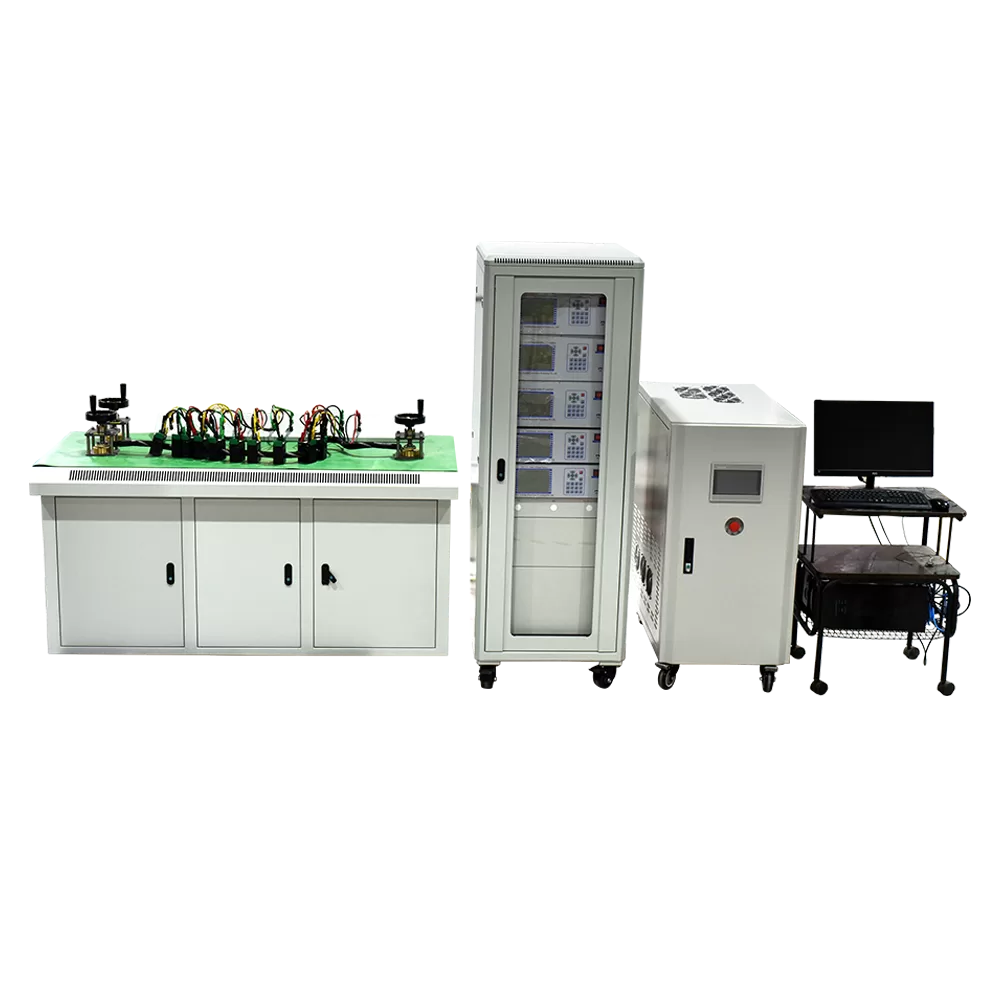
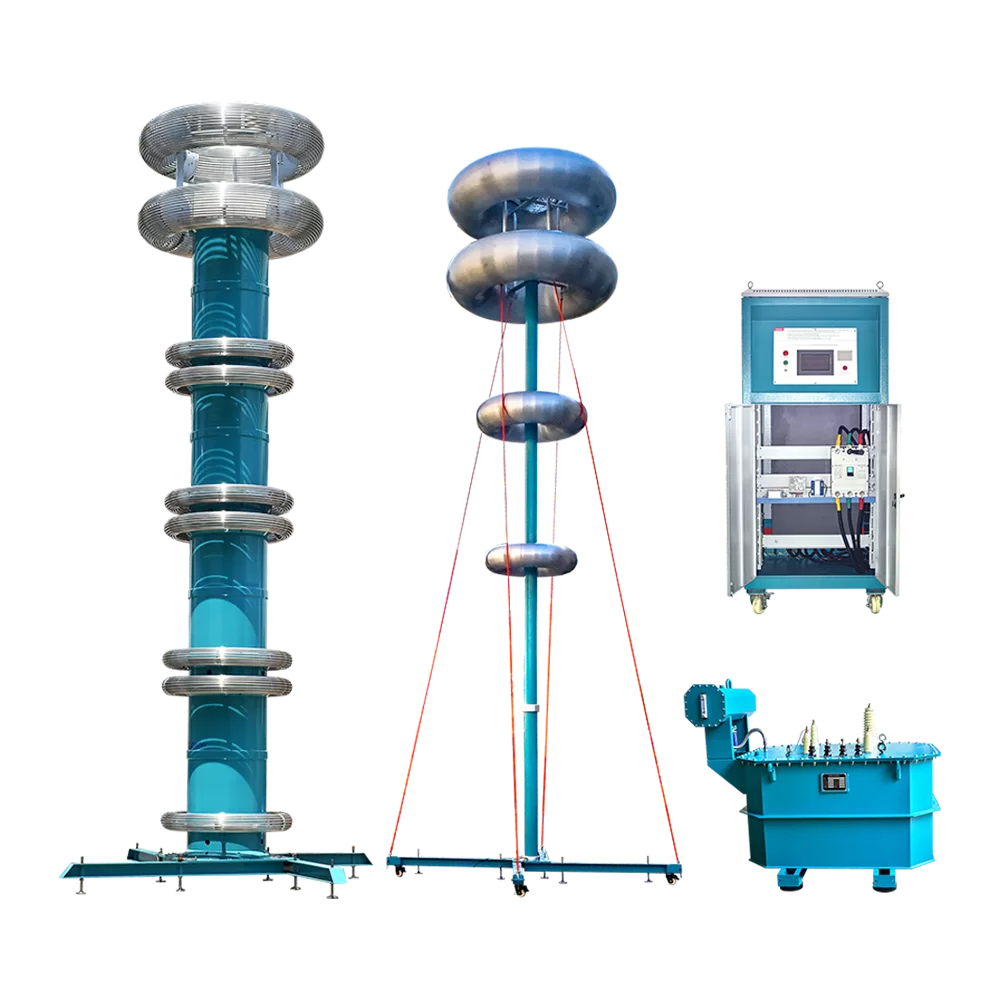
For example, our ZC-200 transformer comprehensive test system supports no-load and load characteristic tests, transformation ratio and group tests, winding resistance tests, and withstand voltage tests. Its configuration is designed for specified transformer ratings and testing requirements, so the appropriate model must be selected according to the actual application.
Automation and Data Management
Computer-controlled testing can reduce repetitive manual operations and help standardize test procedures. Depending on the system configuration, functions may include automatic test sequencing, data recording, result calculation, and report generation.
These capabilities are particularly valuable in manufacturing facilities where multiple transformers undergo similar inspections. The software and reporting functions should match the factory’s documentation and traceability requirements.
Safety and Operating Convenience
Transformer testing may involve high voltage, high current, and stored electrical energy. The equipment should incorporate suitable protection measures, clear operating procedures, and appropriate grounding arrangements.
Depending on the configuration, relevant safeguards may include overvoltage and overcurrent protection, zero-position protection, grounding verification, and interlocks. Confirm the actual safety functions provided by the selected system before commissioning.
Custom Transformer Testing Systems for Different Applications
The configuration of a transformer tester should reflect where and how the equipment will be used.
Transformer Manufacturing
Manufacturers often need to perform multiple routine tests before delivery. An integrated system can coordinate measurements, reduce repeated manual connections, and organize results for quality control.
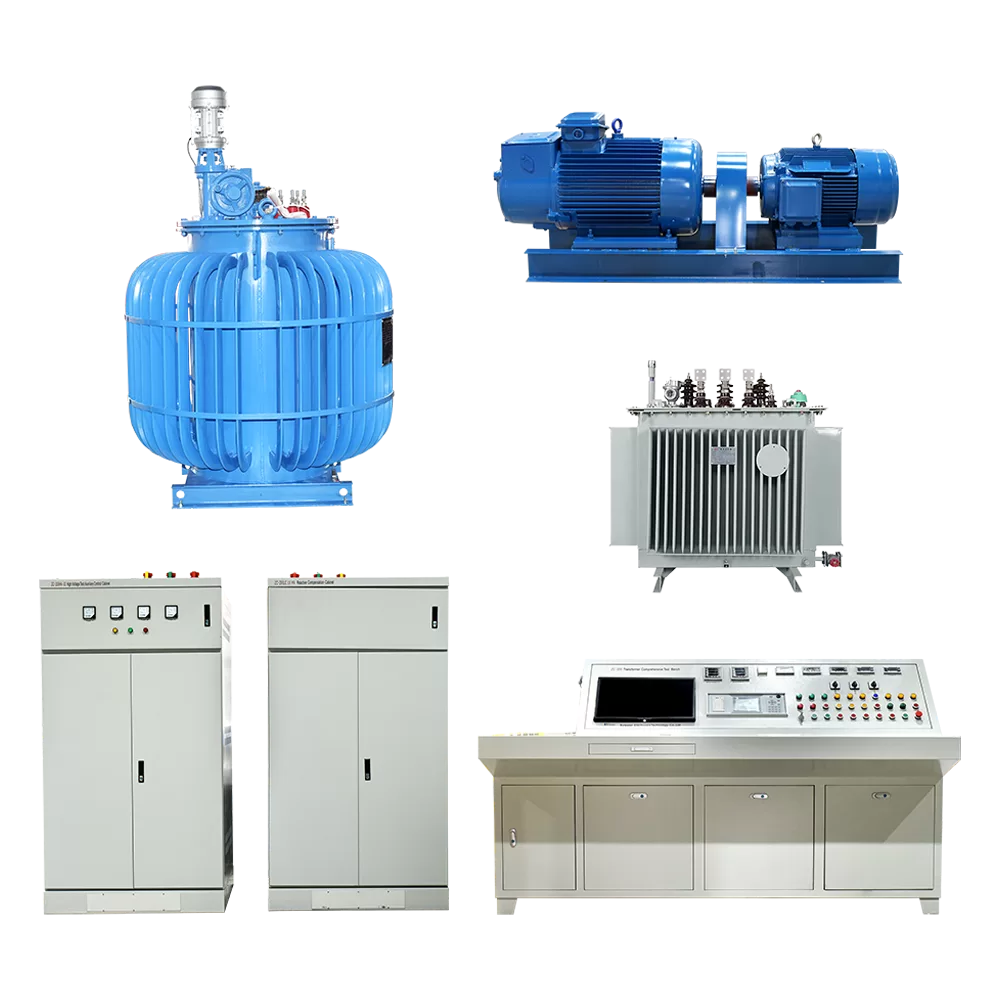
Our transformer testing solutions for factories cover equipment used for winding resistance, ratio, load and no-load characteristics, insulation, and withstand voltage testing. The final equipment combination depends on transformer specifications and the factory’s required test procedures.
Laboratories and Testing Institutions
Laboratories may place greater emphasis on measurement accuracy, repeatability, calibration records, and detailed reporting. Equipment selection should consider the laboratory’s test scope and applicable technical requirements.
Field Commissioning and Maintenance
Field testing requires a different balance of capabilities. Portability, connection convenience, operating conditions, and the specific checks required during commissioning or maintenance may be more important than integrating every possible test into one system.
For these applications, engineers should compare portable instruments with integrated test benches based on the actual workflow.
How to Select the Right Custom Transformer Tester
A structured selection process helps prevent missing functions and unnecessary costs.
Define the Transformer Specifications
Provide the transformer type, rated capacity, high- and low-voltage ratings, phase configuration, frequency, vector group, and tap-changer information where applicable.
These details determine the electrical requirements and influence the test system’s design.
Identify the Required Tests and Standards
Prepare a list of required tests and identify the applicable IEC standards or other project requirements. Confirm which functions must be performed automatically and which can be handled by separate instruments.
Confirm the System Configuration
Review the measurement ranges, test capacity, control method, connection arrangements, software, and report formats. For a customized system, confirm how the individual instruments will work together and whether future expansion is necessary.
Evaluate Delivery and Technical Support
Clarify the scope of design, installation, commissioning, operator training, documentation, and after-sales service. For larger systems, agree on the acceptance procedure and the tests required before shipment.
A complete technical specification makes it easier to compare proposals and confirm that the delivered system matches the intended application.
Questions to Ask Before Ordering a Custom Transformer Tester
Before placing an order, clarify several practical points with the manufacturer.
- Does the proposed system cover all required tests for the specified transformer ratings?
- Which IEC standards and test procedures does the configuration support?
- What measurement ranges and accuracy specifications apply to each test?
- Can the system automate test sequences and generate the required reports?
- Which safety protections, installation services, and training arrangements are included?
- How will the completed system be inspected and accepted before delivery?
Providing clear answers at the quotation stage helps reduce design changes and avoids misunderstandings about the system’s capabilities.
Conclusion
Selecting an IEC standard custom transformer tester requires a clear understanding of transformer specifications, applicable standards, required test procedures, and operating conditions. Measurement accuracy, automation, safety, and data management should all be considered when configuring the equipment.
At Kvtester, we approach transformer testing solutions according to the actual application and required test scope. By defining technical requirements before choosing equipment, manufacturers and testing laboratories can build a more practical testing workflow and select a system suited to their long-term needs.
Related Products
Latest News
-
 2026-10-27Combined CT PT Tester for Current and Voltage Transformer Testing
-
 2026-10-27Current Transformer Testing Equipment: Types & Selection
-
 2026-10-26IEC Standard CT Analyzer Supplier: Choosing the Right Equipment
-
 2026-10-26Multi-function CT Tester Wholesale: Supplier Guide
-
 2026-10-26Lightweight Transformer Tester Selection Guide