This guide systematically elaborates on the core application scenarios, standardized maintenance solutions, key operational steps and common fault optimization strategies of
CT PT analyzers in power equipment maintenance, providing practical technical reference for front-line electrical maintenance engineers and grid inspection personnel.
1. Why CT PT Analyzer Is Indispensable for Power Equipment Maintenance
In high-voltage power systems, CTs and PTs undertake the important tasks of converting high current and high voltage into standard low signals for metering, protection and monitoring. Long-term operation under high voltage, heavy load and harsh outdoor environments will easily lead to equipment aging, residual magnetism, insulation degradation, ratio error and phase displacement deviation. Traditional manual testing methods have obvious defects such as low efficiency, large artificial error and incomplete detection items, which cannot meet the current high-standard power maintenance and electric energy calibration requirements.
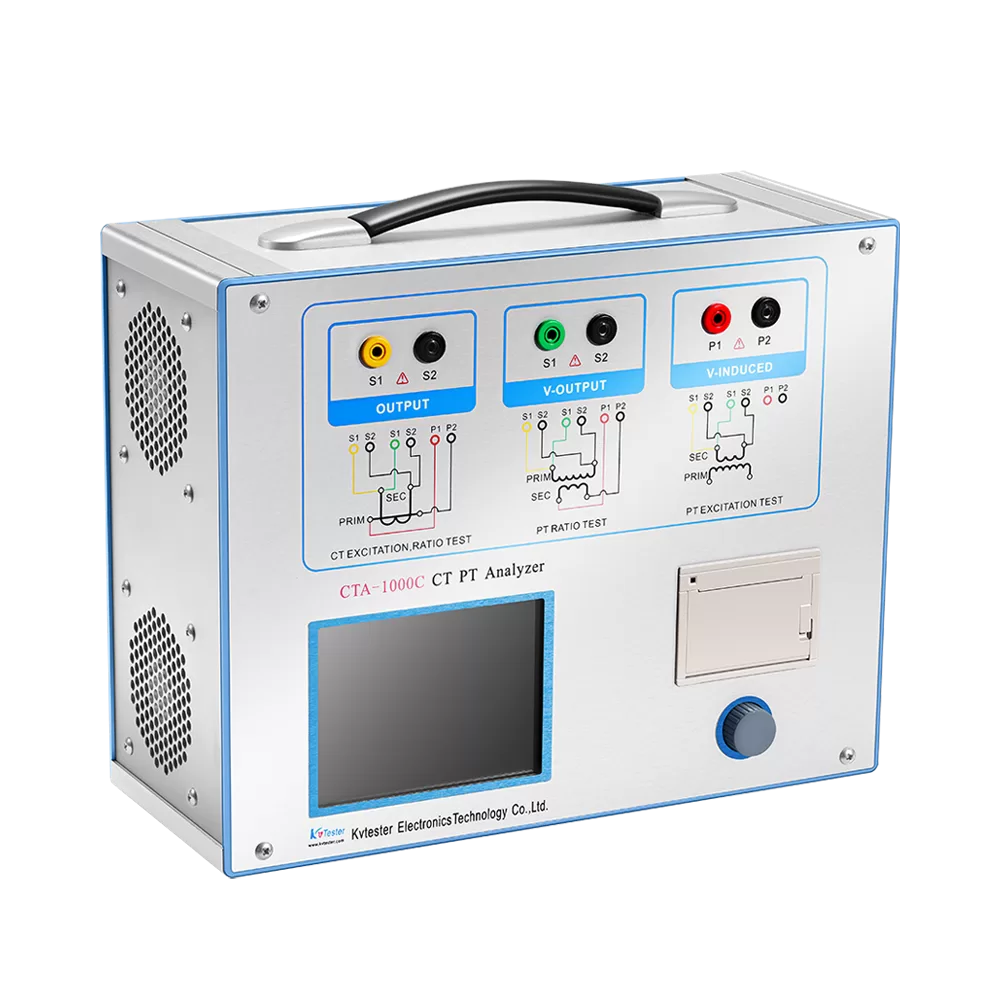
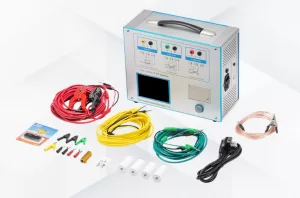
The professional CT PT Analyzer for maintenance integrates automatic testing, data analysis, demagnetization processing and calibration verification functions, covering all core detection items of CT and PT equipment. It can complete one-stop performance evaluation of transformers, effectively solve the pain points of traditional maintenance such as missing detection, inaccurate data and complicated operation, and ensure that CT and PT equipment always operate within national and international standard tolerance ranges.
Core maintenance values brought by CT PT Analyzer:
- Improve maintenance accuracy: Automatically detect transformation ratio error, phase angle error, winding resistance, excitation characteristic and insulation performance to avoid manual measurement deviation
- Eliminate potential safety hazards: Effectively solve hidden dangers such as CT residual magnetism saturation and PT insulation aging to prevent power system protection failure and equipment burnout
- Realize compliant operation: Test data meets IEC and grid calibration standards, supporting traceable electric energy metering and standardized equipment inspection
- Save maintenance cost: Integrated multi-function testing reduces the demand for multiple single-function devices, shortens on-site construction time, and improves overall maintenance efficiency
2. Core Application Scenarios of CT PT Analyzer
The CT PT analyzer is widely used in full-cycle maintenance scenarios of power plants, substations, industrial high-voltage power distribution rooms and power grid metering stations. Its targeted solution design can perfectly adapt to different maintenance demands.
2.1 Routine Daily Inspection & Regular Preventive Maintenance
Daily and quarterly preventive maintenance is the foundation of long-term stable operation of CT/PT equipment. The CT PT analyzer supports rapid on-site screening of equipment status, which is suitable for daily patrol inspection of power stations and regular preventive tests before peak power consumption periods. Engineers can quickly complete key item detection including equipment ratio verification, basic phase angle detection and circuit continuity inspection, timely find minor performance degradation problems of equipment, and realize early warning and early processing of faults to avoid small defects evolving into major power failures.
2.2 Periodic Calibration for Electric Energy Metering
Accurate electric energy metering is the core demand of power grid settlement and industrial power consumption management. CT and PT errors are the main factors causing metering deviation. The professional maintenance-type CT PT analyzer supports high-precision error testing of transformers under different load rates, can accurately measure ratio difference and phase difference data, and generate standardized calibration reports. It fully meets the periodic calibration requirements of power metering equipment, ensures the fairness and accuracy of electric energy settlement, and helps users pass grid inspection and metering compliance assessment smoothly.
2.3 Post-Fault Overhaul & Abnormal Diagnosis
After power system short-circuit faults, overload impact and lightning strike accidents, CT/PT equipment is prone to residual magnetism, coil damage and performance attenuation. The CT PT analyzer is equipped with an automatic demagnetization function, which can eliminate residual magnetism of the iron core and solve the problem of early saturation of CT caused by magnetic memory. At the same time, it can detect excitation curve changes and winding resistance abnormalities, accurately locate fault points such as coil short circuit and insulation damage, providing accurate data support for post-fault equipment repair and replacement.
2.4 New Equipment Commissioning & Old Equipment Renovation Acceptance
In the commissioning of new high-voltage power distribution projects and the renovation and upgrading of old power equipment, the CT PT analyzer is used for full-performance testing of newly installed and replaced CT/PT equipment. It verifies whether the equipment parameters meet the design standards and operation requirements, eliminates unqualified equipment before grid connection, and ensures the safe and stable grid-connected operation of new power equipment.
3. Standardized Maintenance Operation Solution with CT PT Analyzer
To ensure the accuracy of test data and the standardization of maintenance work, we have sorted out a complete set of on-site maintenance operation processes for CT PT analyzers based on years of high-voltage test and calibration service experience, suitable for most industrial and power grid maintenance scenarios.
3.1 Pre-Test Preparation & Safety Inspection
On-site high-voltage maintenance has strict safety specifications. Before testing, it is necessary to cut off the power of the CT/PT test equipment strictly, implement power failure, voltage measurement and grounding protection measures, and confirm that the test environment is free of live equipment and potential safety hazards. Check the integrity of the analyzer host, test lines and connectors, ensure that the cables are free of wear and breakage, and the interface is in good contact. At the same time, inspect the on-site temperature and humidity environment, avoid operation in high humidity, heavy dust and strong electromagnetic interference environment, to prevent affecting test accuracy and equipment service life.
3.2 Core Test & Maintenance Operation Steps
Step 1: Equipment Demagnetization
For CT equipment that has been overloaded or faulty, start the automatic demagnetization program first. The analyzer eliminates iron core residual magnetism through gradual attenuation of magnetic flux circulation, avoids test data deviation caused by residual magnetism, and restores the transformer core to a neutral magnetic state.
Step 2: Basic Parameter Testing
Complete winding resistance test, transformation ratio test and phase angle test. The analyzer automatically collects data and compares it with standard parameters, calculates ratio error and phase displacement error, and judges whether the equipment meets the operation standard.
Step 3: Excitation Characteristic & Load Test
Test the excitation curve and saturation characteristics of CT/PT, verify the equipment’s bearing capacity under overload conditions, detect potential problems such as core aging and coil saturation, and evaluate the equipment’s long-term operation performance.
Step 4: Data Recording & Analysis
The device automatically stores test data, compares it with historical maintenance data, judges the equipment performance attenuation trend, and screens out equipment with potential hidden dangers for key maintenance.
3.3 Post-Test Processing & Daily Maintenance of Analyzer
After the on-site test is completed, cut off the power of the analyzer in sequence, remove the test lines, and sort out the equipment. Wipe the host shell and interfaces with an anti-static cloth, use compressed air to clean the dust in the ventilation holes and line ports, and avoid dust accumulation affecting heat dissipation and interface contact. Regularly calibrate the analyzer according to the cycle, update the official firmware to adapt to the latest power grid standards, and store the equipment in a dry, dust-free and constant temperature environment to ensure long-term stable operation of the test device itself.
4. Common Maintenance Problems & Optimization Solutions
4.1 Large Test Data Deviation
Data deviation is mostly caused by incomplete demagnetization, loose wiring or electromagnetic interference.
Solution: Re-execute the automatic demagnetization program, re-fix the test wiring to ensure firm contact, avoid crossing test lines with high-voltage cables, and shield on-site strong electromagnetic interference sources.
4.2 CT Saturation & Measurement Failure
Long-term operation and fault impact will lead to CT core saturation, resulting in inaccurate current sampling.
Solution: Use the professional demagnetization function of the analyzer to thoroughly eliminate residual magnetism, and re-test the error parameters after demagnetization; replace severely saturated aging equipment in time.
4.3 Unstable Equipment Operation of Analyzer
Field harsh environment and outdated software programs will cause the analyzer to crash and data flashback.
Solution: Timely update the device firmware, regularly check the battery and internal circuit performance, and adopt dust-proof and shockproof protection measures for field operation.
Final Words
Standardized CT/PT maintenance is an important guarantee for the safe and efficient operation of high-voltage power systems. A high-performance CT PT Analyzer for maintenance is not only a testing tool, but also a core carrier to realize refined, compliant and intelligent power equipment maintenance. Adopting professional testing and maintenance solutions can effectively reduce power operation risks, improve electric energy metering accuracy, and extend the service life of high-voltage transformer equipment.

 2026-09-302026 Top 3 Chinese Insulation Resistance Transformer Testing Equipment Manufacturers
 2026-09-30Industrial CT Tester: How Is It Used for Current Transformer Factory Testing?
 2026-09-30How Can a CT PT Analyzer Improve CT and PT Quality Testing in the Laboratory?
 2026-09-30How to Perform Current Transformer Testing Step by Step?
 2026-09-30How to Perform CT Analyzer Testing and Evaluate the Test Results?