
Home » News » Company News
Best Smart CT Tester Manufacturers for Power System Testing
A Smart CT Tester helps engineers test current transformers with a more organized workflow. Depending on the required configuration, it can support ratio, polarity, excitation, knee-point, winding-resistance, burden, phase-displacement, and accuracy-related testing. When both current and voltage transformers are involved, selecting a CT/PT solution can also simplify equipment preparation for commissioning and maintenance work.
The following guide explains how to compare Smart CT Tester manufacturers and identify a configuration that fits your testing work.
What Does “Smart CT Tester” Mean?
In power-system testing, a Smart CT Tester is designed to evaluate the electrical characteristics of metering CTs and protection CTs, while some models can also support testing related to PTs and other voltage transformers.
Different testing tasks require different functions. Substation commissioning teams typically focus on CT ratio, polarity, excitation characteristics, and saturation-related tests. Transformer and instrument-transformer manufacturers often need stable, repeatable factory testing and traceable test records. Calibration laboratories may place greater emphasis on measurement accuracy, burden testing, error evaluation, and data management. For renewable-energy projects such as wind and solar installations, portability, testing efficiency, and compatibility with on-site commissioning procedures are also important.
For this reason, buyers should define their testing requirements before comparing Smart CT Tester manufacturers. An instrument that is suitable for basic field ratio testing may not meet the needs of more demanding applications, such as protection CT analysis, multi-tap CT testing, or automated factory calibration.
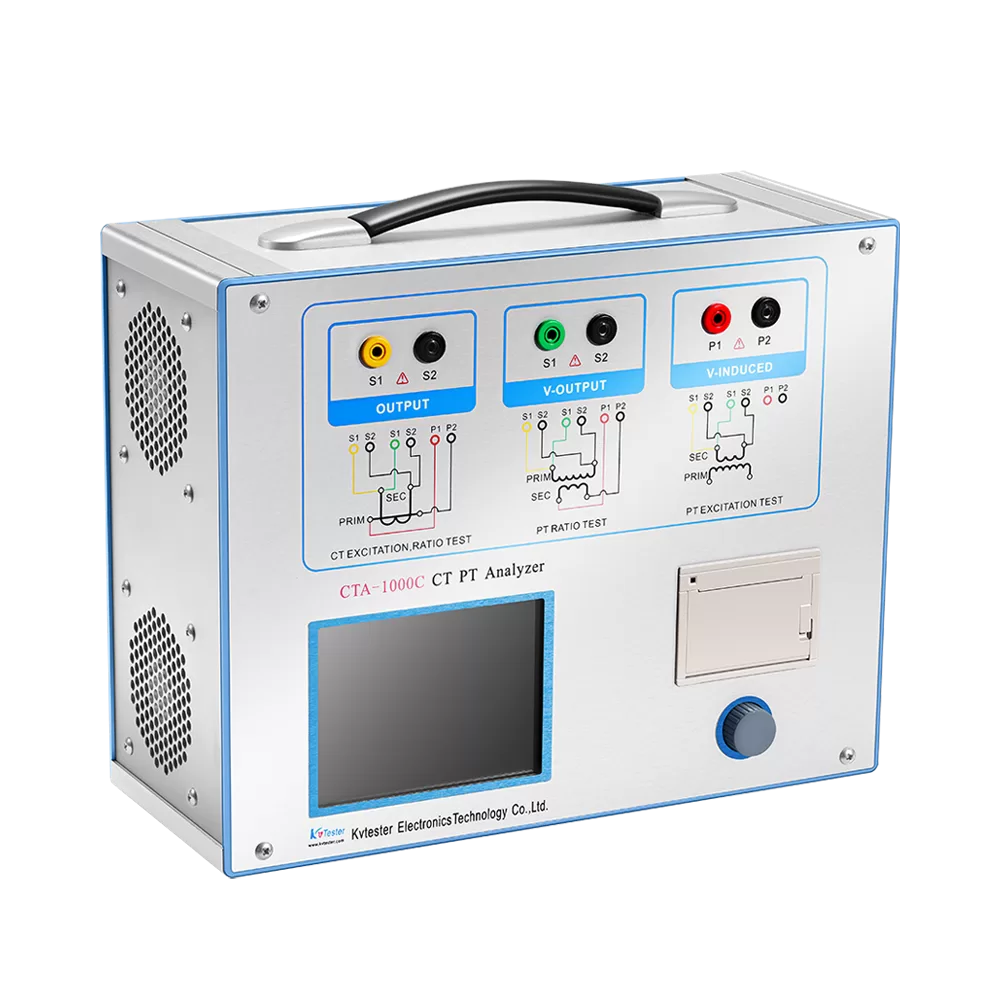
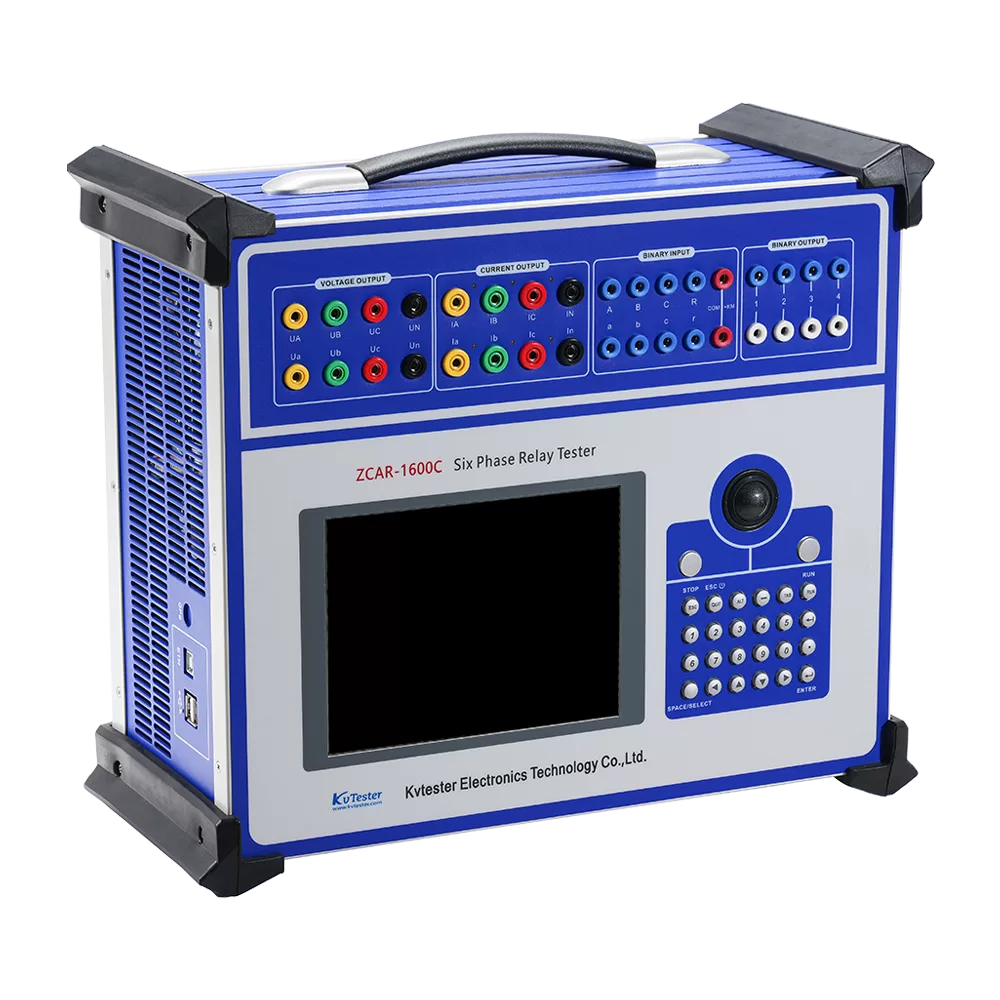
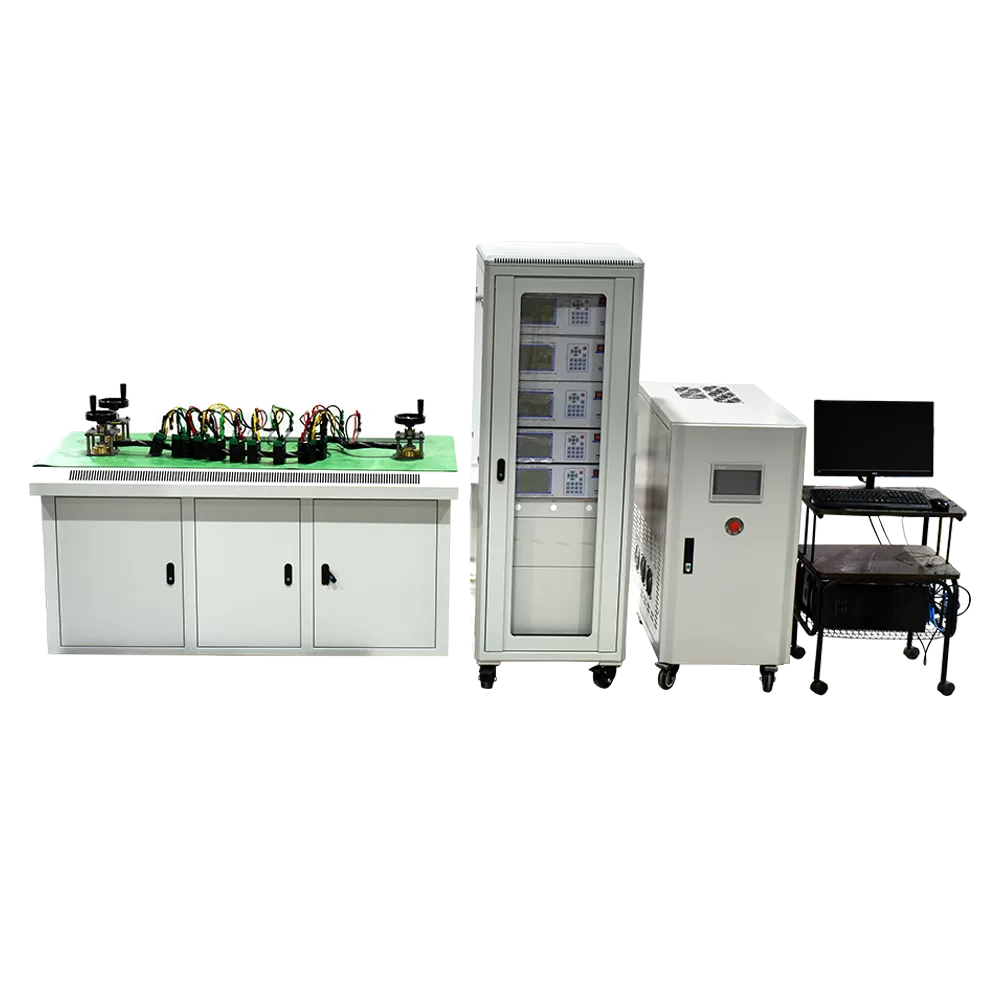
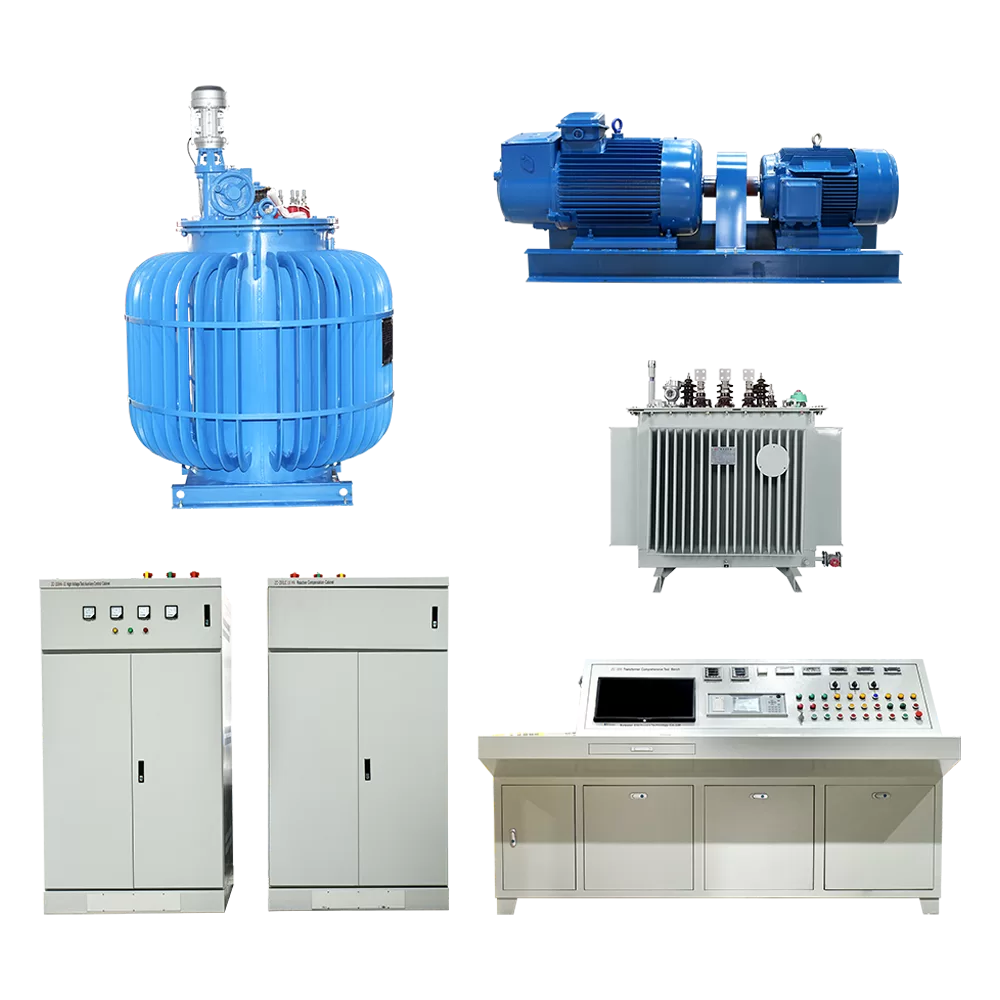
To meet CT/PT testing needs across different applications, Kvtester provides a range of power testing equipment for utilities, transformer and instrument-transformer manufacturers, testing laboratories, and electrical engineering contractors. Our product range includes CT/PT analyzers, automated CT/PT test systems, transformer testing equipment, relay protection testers, and high-voltage test equipment. Depending on the required test scope, you can choose a portable CT/PT analyzer for field work or a more complete testing system for factory inspection, calibration, and repeatable batch testing.
What Buyers Should Compare First
CT and PT Test Coverage
For CT applications, the most frequently requested functions include:
- CT ratio and polarity testing
- Secondary winding resistance testing
- Excitation or magnetization characteristic testing
- Knee-point voltage and knee-point current evaluation
- CT burden, impedance, and power-factor measurement
- Ratio error and phase displacement testing
- CT saturation assessment
- ALF, FS, remanence, and transient CT parameter evaluation
- Demagnetization functions where required by the test procedure
For buyers handling both current and voltage transformers, a combined CT/PT analyzer can reduce the number of instruments needed for commissioning, production testing, or laboratory work.
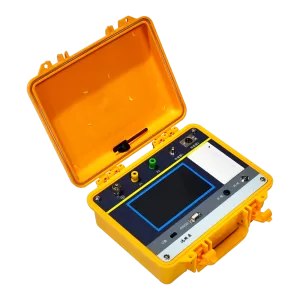
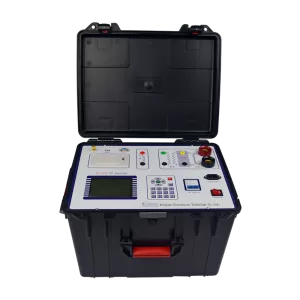
The CTA-1000D CT/PT Analyzer supports testing for metering and protection CTs as well as PT-related applications. It can be used for ratio and phase-angle accuracy, burden impedance, winding resistance, excitation characteristics, saturated and unsaturated inductance, residual magnetism, ALF, and FS evaluation. For PT applications, it supports excitation and saturation, burden impedance, polarity, winding resistance, and inductance testing.
Standards and Accuracy Requirements
A manufacturer recommendation has limited value if it does not address standards and accuracy. Before requesting a quotation, confirm which standards apply to the project, such as IEC, IEEE, ANSI, or a local utility specification.
Buyers should ask the supplier to provide:
- Applicable CT and PT testing standards
- Test range and stated accuracy for each required function
- Resolution for ratio, phase angle, resistance, burden, and other relevant parameters
- Test reports or calibration documentation
- Standard evaluation or pass/fail assessment capability
- Test record storage and result export options
- Model-specific technical data rather than generic product claims
For example, a CT/PT analyzer may support evaluation against selected IEC or IEEE standards. Accuracy should be checked by measurement range rather than by one headline figure. For ratio testing, the acceptable accuracy may change across lower and higher ratio ranges. Phase-displacement accuracy should also be reviewed separately when phase-angle results are part of the acceptance requirement.
The key point is not to select equipment based on one headline accuracy figure. Each supplier should clarify the applicable test range, the stated measurement conditions, and whether the selected model can meet the customer’s required CT accuracy class and acceptance procedure.
Field Operation and Testing Safety
Field testing in substations, switchgear installations, wind farms, photovoltaic booster stations, and industrial power facilities requires more than a wide measurement range. The instrument must suit actual site work.
When comparing Smart CT Tester manufacturers, check:
- Maximum output voltage and current
- Test method and applicable CT range
- Portability, total weight, enclosure, and transport case
- Operating temperature and humidity range
- Protective grounding requirements
- Overcurrent, overvoltage, overtemperature, or wiring-fault protection
- Test lead arrangement and connection guidance
- Screen visibility and operator interface
- Data storage and test record management
- Availability of technical training and remote support
Low-frequency testing can reduce the terminal-voltage requirement for applicable CT tests while maintaining the required magnetic-flux condition. Regardless of the instrument selected, reliable grounding, safe isolation of the CT, correct terminal connection, and keeping test leads undisturbed during active testing remain essential.
A Smart CT Tester supports a safer and more organized workflow, but it does not replace electrical isolation, discharge procedures, grounding, protective measures, or qualified personnel.
How to Verify a Smart CT Tester Manufacturer
A manufacturer should be assessed through product information, technical communication, and project compatibility. Before adding a supplier to a shortlist, request evidence that directly relates to the intended purchase.
Review the Technical Documents
Ask for the latest:
- Product datasheet
- User manual
- Wiring diagram
- Test-function list
- Accuracy and range specifications
- Applicable standards
- Calibration or test report samples
- Packing list and accessory list
- Warranty terms
- Recommended maintenance procedures
A good manual should explain not only specifications but also correct connection, safety requirements, parameter settings, result interpretation, and common error handling. For CT/PT analyzers, this is especially important because test results depend on the selected CT type, rated current, burden, accuracy class, frequency, wiring condition, and test item.
Confirm the Complete Configuration
A quotation should identify what is included and what requires separate purchase. Depending on the application, the final configuration may involve:
- CT/PT analyzer
- Test leads and clamps
- Carrying case or transport box
- Switch box
- CT burden box or PT burden box
- Standard transformer
- Variable-frequency power supply
- CT test bench
- Computer and test-management software
- Printer or report-management accessories
- Spare parts and calibration tools
Clarify Customization and After-Sales Support
For international projects, the equipment should match the actual delivery and operating conditions. Discuss the following before placing an order:
- Input power and frequency requirements
- Required language for the interface and documents
- IEC, IEEE, ANSI, or local-standard requirements
- Test range for the target CT or PT population
- Required communication interfaces
- Report and record-management expectations
- Required accessories and replacement parts
- Training method and technical-support process
- Delivery lead time and export packaging
- Warranty and maintenance arrangements
The goal is to receive a configuration that supports the planned test work, rather than selecting a generic model based only on a product title.
Smart CT Tester RFQ Checklist
To receive a suitable recommendation, prepare the following information for the manufacturer:
- CT type: metering CT, protection CT, PX CT, TPY CT, TPX CT, TPZ CT, or another type
- Rated primary current and rated secondary current
- CT ratio and number of taps
- Accuracy class and applicable test standard
- Rated burden and power factor
- Required tests: ratio, polarity, resistance, excitation, knee point, burden, error, saturation, ALF, FS, or transient performance
- Whether PT, VT, CVT, or CCVT tests are also required
- Application: substation field testing, factory inspection, laboratory calibration, or renewable-energy commissioning
- Required equipment portability and target operating environment
- Required software, language, report, and data-management features
- Destination country, power supply, project schedule, and expected quantity
Request a Suitable Smart CT Tester Configuration
The best Smart CT Tester manufacturer is the one that can match the device configuration to the transformer type, applicable standard, test purpose, and operating conditions of the project.
For a clearer recommendation, provide the CT or PT nameplate information, required test items, target standard, application scenario, and delivery destination. This makes it possible to determine whether a portable CT/PT analyzer, an automatic CT testing system, or a complete transformer calibration solution is the better fit.
Related Products
Latest News
-
 2026-09-10Working Principle and Main Applications of Anti-Interference Dielectric Loss Testers
 -
 2026-09-10PT Tester With Maintenance Service: Procurement Guide
 -
 2026-09-09High Precision Transformer Testing Equipment Price & FAT Guide
 -
 2026-09-09IEC Standard CT Tester Buyer’s Guide for Utilities and Testing Companies
 -
 2026-09-09How to Use a CT Tester for Reliable Maintenance Field Testing?