
What causes unstable results in transformer DC resistance tests?
What causes unstable results in transformer DC resistance tests?
DC resistance testing is a crucial procedure for evaluating the condition of transformer windings, lead connections, and tap-changer contacts. During on-site testing, one may occasionally encounter issues such as resistance readings that remain unstable for extended periods, values that fluctuate, or significant discrepancies between repeated measurements of the same winding. Such occurrences do not necessarily indicate a fault within the transformer windings; rather, they require a systematic investigation into factors including testing duration, wiring connections, the state of the tap-changer, and ambient temperature.
1. The test current has not yet fully stabilized
Transformer windings possess not only resistance but also significant inductance. When a DC test current is applied, it requires a certain amount of time to reach a stable state. This is particularly true for large-capacity transformers, which have higher winding inductance. If data is recorded before the test current has stabilized, the resistance value may continue to shift. Therefore, one should wait until the readings on the instrument display have largely stabilized before recording the results; taking measurements immediately after starting the test is not advisable.
2. Poor contact at test clamps or terminals
Unreliable connections are a common cause of fluctuations in DC resistance data. If test clamps are not securely attached, or if the surfaces of the terminals are contaminated with oil, oxidation, or rust, additional contact resistance may be introduced. As the contact condition shifts, the resistance value shown on the instrument will fluctuate accordingly. If data instability occurs, the connections—including the test clamps, test leads, and transformer terminals—should be inspected and re-secured before repeating the test.
3. Inappropriate selection of test current
When performing a DC resistance test, the test current should be selected based on the transformer’s capacity, the winding resistance, and the specifications of the testing instrument. If the test current is too low, the measurement signal becomes weak and more susceptible to external interference, and the time required for stabilization may increase. Conversely, if the test current is too high, it may cause a noticeable rise in the temperature of the windings, which in turn alters the winding resistance. Therefore, a higher test current is not necessarily better; the appropriate current range should be chosen based on the specific equipment being tested.
4. Unstable Contact Condition of the Tap Changer
For transformers equipped with off-circuit or on-load tap changers, the contact condition of the tap changer contacts can affect DC resistance test results. Issues such as oxidation, ablation, insufficient contact pressure, or poor contact may manifest as abnormally high resistance at a specific tap position or result in poor stability of the test data. If a tap changer issue is suspected, compare the test results across different tap positions and consult historical test data to reach a more definitive conclusion.
5. Changes in Winding Temperature
Since the resistance of a conductor varies with temperature, winding temperature must be taken into account when comparing DC resistance values. If there is a significant time interval between the tests of the three phases, or if the winding temperature changes noticeably during the testing process, discrepancies in the measured resistance values may occur. This is particularly relevant during high-current testing, where careful attention must be paid to the duration of the test and the temperature rise of the windings. When comparing current results with historical data, the test results should be normalized to a specified, consistent temperature before analysis.
6. Abnormalities in Internal Transformer Connections
If external factors—such as test leads, test current, temperature, and the tap changer—have been ruled out, yet the DC resistance still shows significant anomalies or poor repeatability, internal equipment issues must be considered.
Potential causes include loose connections in the winding leads, poor contact at soldered joints, broken strands in the windings, or internal faults within the tap changer, all of which can lead to variations in DC resistance.
In such cases, conclusions should not be drawn based on a single test result. Instead, a comprehensive analysis should be performed, incorporating the three-phase unbalance rate, data from various tap positions, historical test records, and the results of other electrical tests.
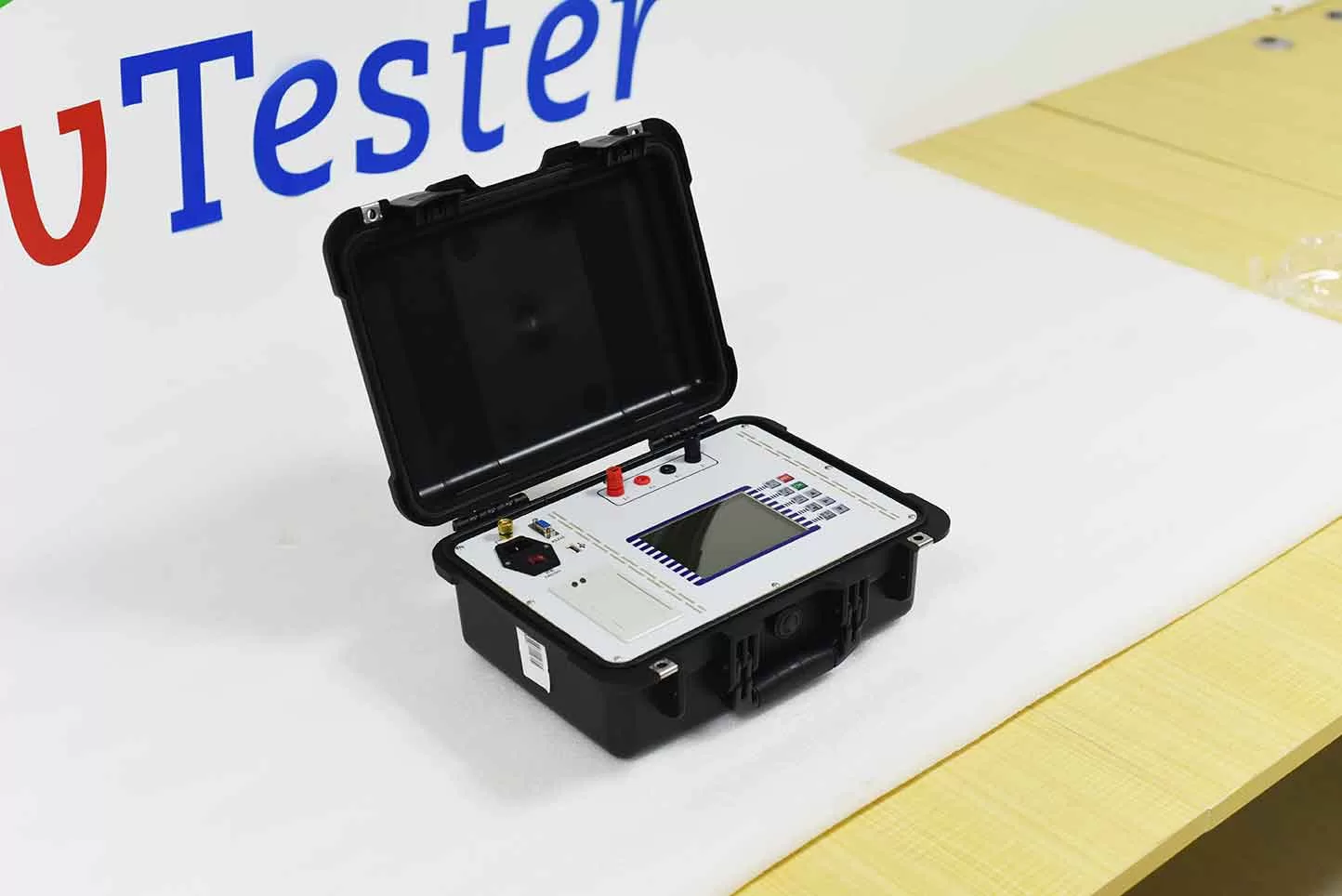
Summary
Instability in transformer DC resistance test results is commonly caused by factors such as an unstable test current, poor contact of test leads, inappropriate selection of test current, abnormal contact within the tap changer, or fluctuations in winding temperature. When data fluctuations occur in the field, it is recommended to follow a troubleshooting approach that prioritizes checking test conditions before examining the state of the equipment itself. Ensuring reliable connections, consistent test parameters, and sufficient data stability before conducting repeat measurements can effectively reduce the risk of misdiagnosis caused by test conditions.
Related Products
Latest News
-
 2026-10-15How to Choose a Resonant Test System With USB Output
 -
 2026-10-15CT PT Analyzer Manufacturers: Features and Selection Guide
 -
 2026-10-142026 Top 6 Portable Transformer Testing Equipment Manufacturers
 -
 2026-10-14How Do You Choose an Outdoor CT PT Analyzer for Field Testing?
 -
 2026-10-13CT Analyzer Connection Guide: Wiring Steps and Safety Checks