
Home » News » Company News
How to Choose a Resonant Test System With USB Output
Choosing a resonant test system involves more than checking its maximum output voltage. Test object capacitance, operating frequency, current capacity, protection functions, and data management options all affect system suitability. USB output is another practical consideration when test results need to be saved, reviewed, or transferred for quality records.
What Is a Resonant Test System With USB Output?
A resonant test system is used for AC withstand voltage testing of high-voltage electrical equipment. It adjusts the power supply frequency to establish resonance between the system inductance and the capacitance of the test object. This approach helps generate the required test voltage with an appropriate system configuration.
USB output serves a different purpose. It provides a way to transfer test data, rather than delivering high voltage to the test object.
Why USB Output Matters
USB data output can simplify test record management by allowing operators to transfer saved results for review and documentation. Before choosing a system, check whether it supports record storage, result review, and data export.
If your workflow depends on specific file formats or reporting software, confirm compatibility with the supplier. A USB interface alone does not guarantee support for every data format. Also consider who will access the records and how they will be organized for future inspections or maintenance reviews.
Choose the Right Test Voltage and Capacity
The first step is to identify the equipment being tested and its required AC withstand voltage. Different test objects have different electrical characteristics, so a system suitable for one application may not meet the requirements of another.
Consider the following factors:
- Rated test voltage: Confirm the required test voltage and duration for the equipment under test.
- Load capacitance: The capacitance of the test object affects resonance conditions and system configuration.
- Test current: Ensure the system can provide the current required by the load at the intended test voltage.
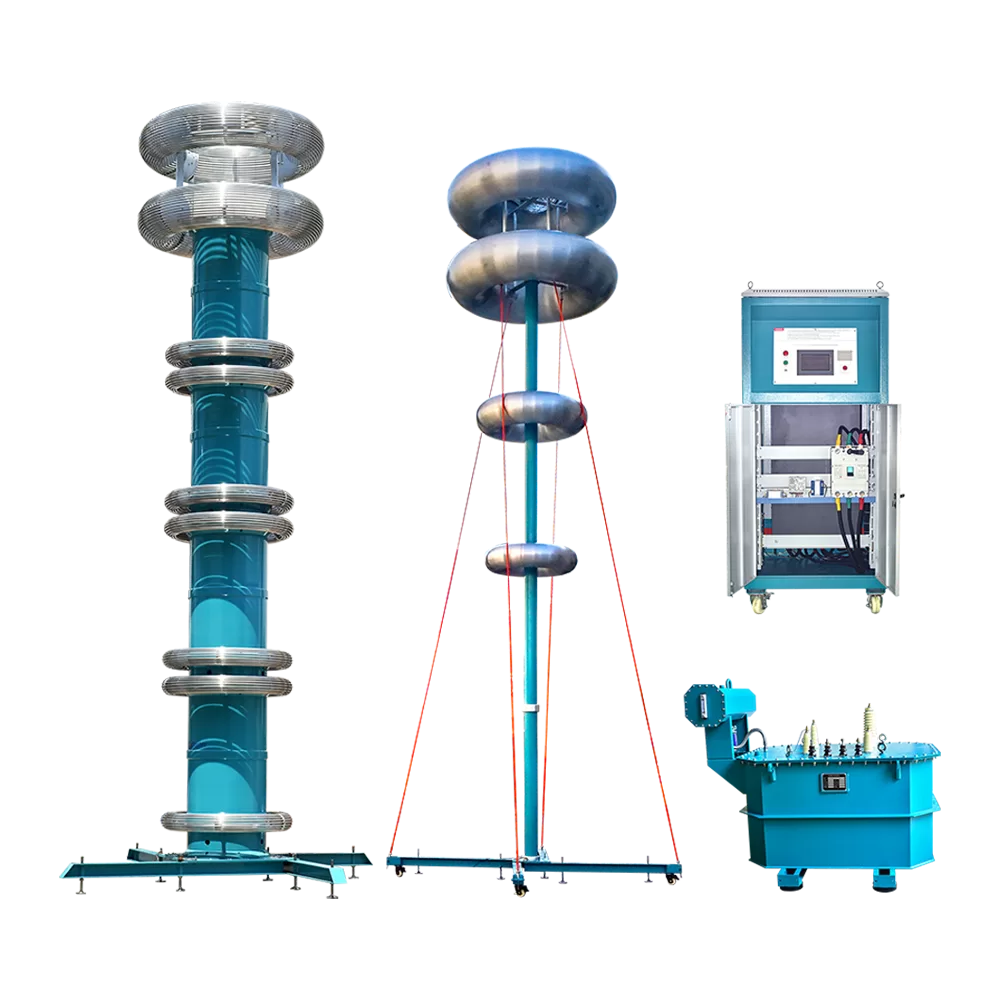
- System configuration: Check the specifications of the variable-frequency power supply, excitation transformer, high-voltage reactor, and voltage divider.
Maximum output voltage should not be the only selection criterion. For a more complete assessment, our guide to series resonant withstand voltage test system selection explains why load characteristics and operating requirements also matter.
It is also useful to consider future testing needs. If your facility expects to test different equipment types or voltage levels, discuss possible configurations before purchasing. This helps you assess whether one system can cover your planned applications or whether additional components will be needed.
Check the Frequency Range and Resonance Control
The operating frequency determines whether the system can reach resonance with the test object. A variable-frequency resonant system adjusts its frequency to find a suitable operating point for the test.
When comparing systems, review the available frequency range, frequency adjustment resolution, and tuning method. Automatic tuning can reduce manual adjustment, while the available frequency range must match the requirements of the test object.
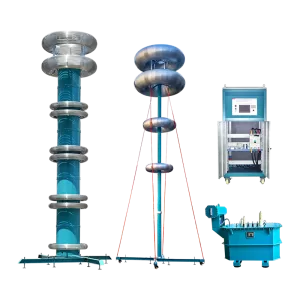
For example, the Kvtester ZCVF-6000kVA/1000kV variable frequency resonant test system supports selectable frequency ranges of 30–300 Hz, 45–100 Hz, or 200–300 Hz. Its frequency resolution can be set to 0.1 Hz, 0.2 Hz, 0.5 Hz, or 1.0 Hz.
These specifications illustrate why buyers should compare frequency settings alongside voltage and capacity. The appropriate configuration depends on the intended test application.
Review Protection and Voltage Stability
High-voltage testing requires suitable protection and control functions. Before purchasing, check how the system responds to overvoltage, overcurrent, detuning, flashover, and other abnormal conditions.
Relevant features may include:
- Overvoltage and overcurrent protection
- Detuning and flashover protection
- Zero-position and undervoltage protection
- Emergency shutdown
- Voltage stabilization and monitoring
The available functions vary by model, so confirm the actual configuration before making a decision. Operators must also follow the equipment instructions and applicable electrical safety procedures.
Voltage stability is another important consideration. A system should maintain the required test conditions throughout the specified test period, within its rated operating limits. Clear measurement displays and straightforward controls can also help operators monitor test progress and identify abnormal conditions promptly.
Evaluate USB Data Storage and Export
USB output is most useful when it supports your existing testing and reporting workflow. Check the system’s record capacity, data display options, and export method before choosing a model.
For example, the Kvtester ZCVF-6000kVA/1000kV system can store up to 50 test records in non-volatile memory. Operators can review saved results on the display and use the USB interface to output and print data.
When evaluating similar equipment, consider these questions:
- How many test records can the system store?
- Can operators review previous results on the device?
- Can test data be exported and printed through USB?
- Does the exported information meet your documentation requirements?
- Is the data compatible with your existing reporting process?
Clear answers to these questions help you determine whether the data functions meet your operational needs, rather than selecting a system based on USB availability alone. For routine testing, consistent record naming and timely data backup can also make it easier to compare results across test sessions.
Consider the Testing Environment and Daily Operation
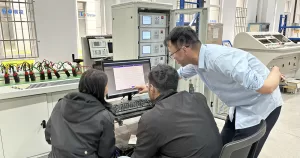
The installation environment and operating process also affect equipment selection. Check the available installation space, power supply conditions, transportation requirements, and connections between the system components. For equipment used at different substations or testing locations, portability and assembly requirements may influence the final configuration.
Operator training is equally important. A clear operating procedure should cover system connections, parameter settings, resonance tuning, voltage application, test termination, and data export. These steps help maintain consistency between operators and reduce avoidable setup errors.
Before ordering, ask the supplier to clarify the required accessories, installation conditions, training arrangements, and routine maintenance needs. Confirming these details early helps prevent delays when the equipment is delivered and prepared for use.
Match the System to Your Test Application
Resonant test systems can be configured for different high-voltage applications, including power transformers, GIS, circuit breakers, power cables, bushings, and insulators. However, not every configuration is suitable for every test object.
Before requesting a quotation, prepare the following information:
- Equipment type and rated voltage
- Required AC withstand test voltage and duration
- Cable length or estimated load capacitance, where applicable
- Required test frequency and current
- Available site power supply and operating conditions
- Data storage and reporting requirements
These details help the supplier assess the necessary system capacity and configuration. They also reduce the risk of choosing equipment based only on its maximum voltage rating. For cable testing in particular, providing cable length and type can help the supplier evaluate the expected capacitive load more accurately.
Conclusion
Choosing a resonant test system with USB output requires balancing electrical performance, safety, application requirements, and data management. Start by confirming the test voltage, load capacitance, current, and frequency range. Then review protection functions, voltage stability, record storage, and USB data export.
Installation conditions, operator training, and maintenance requirements also deserve attention before purchasing. A suitable system should meet the actual test requirements while supporting efficient result review and documentation. If you need help evaluating a configuration, contact Kvtester with your test object details and required test parameters.
Related Products
Latest News
-
 2026-10-15CT PT Analyzer Manufacturers: Features and Selection Guide
 -
 2026-10-142026 Top 6 Portable Transformer Testing Equipment Manufacturers
 -
 2026-10-14How Do You Choose an Outdoor CT PT Analyzer for Field Testing?
 -
 2026-10-13CT Analyzer Connection Guide: Wiring Steps and Safety Checks
 -
 2026-10-13How Can a CT PT Analyzer Improve Testing in a Transformer Factory?