
Home » News » Company News
Pick the Right Transformer Testing Equipment Manufacturer
When an engineer types transformer testing equipment manufacturer into Google, they’re usually under pressure: a new substation is going live, a factory needs to upgrade its QA lab, or a utility has just tightened its maintenance standards. The challenge isn’t finding manufacturers — there are plenty — it’s figuring out which transformer testing equipment manufacturer is genuinely built for your voltage range, test workload and compliance obligations, instead of just looking good in a catalog. In a global market on track to surpass USD 30 billion by 2030, making that distinction early is what separates smooth commissioning and reliable diagnostics from repeated outages and expensive re‑testing.
This guide shows you how to choose a transformer testing equipment manufacturer by aligning your testing strategy, diagnostic capabilities, and lifecycle cost — not just ticking off spec sheet boxes.
1. Start with your testing strategy, not the product list
Before you shortlist any transformer testing equipment manufacturer, clarify why you’re buying transformer test equipment in the first place. Professional buyers usually fall into one of three strategy buckets:
- Safety and compliance driven
Transmission operators and utilities mainly want to satisfy IEC / IEEE standards and internal grid codes. Their priority is safe, repeatable test results across routine inspections, commissioning, and post‑fault analysis.
- Production and efficiency driven
Transformer OEMs, repair shops and labs care about throughput and automation. They might run dozens of tests every day and need comprehensive transformer test benches and integrated systems to keep everything consistent.
- Cost and flexibility driven
Industrial plants and service companies need portable instruments that cover the most frequent tests at a sensible price, across multiple sites and voltage classes.
Knowing which strategy describes you best will narrow down which transformer testing equipment manufacturer actually matches your reality.
2. Define the testing capabilities you really need
A transformer testing equipment manufacturer may promote many instruments, but not all of them are relevant to your fleet. Focus on the capabilities your transformers demand, not on model names.
Core diagnostic pillars
Most transformer maintenance and QA programs revolve around four main diagnostic categories:
- Transformer Turns Ratio (TTR) to verify winding integrity and tap changer positions
- Winding resistance to detect loose connections, hot spots and contact problems
- Insulation tests such as insulation resistance (IR), tan delta / power factor and dielectric tests for insulation system health
- Frequency‑based and advanced diagnostics like SFRA, partial discharge and excitation current to find mechanical displacement and insulation defects
A capable transformer testing equipment manufacturer should be able to cover these categories, across the voltage and MVA range you operate.
Data handling and reporting
Transformer testing is only as good as the data you can trust and reuse. Modern manufacturers differentiate themselves through:
- Automated test sequences and reusable templates
- Standardized reporting aligned to IEC/IEEE formats
- Export options (PDF, CSV, API) and integration with asset management or CMMS systems
If you’re aiming for predictive maintenance or fleet‑wide trend analysis, prioritize transformer testing equipment manufacturers that invest heavily in software and data workflows, not just hardware.
3. Match manufacturer type to your testing strategy
“Best manufacturer” is highly context‑dependent. The right transformer testing equipment manufacturer for a transmission utility will probably differ from the right choice for a small service contractor. Think in terms of manufacturer *types*, then pick candidates within each type.
A. Full‑suite diagnostic manufacturers
These transformer testing equipment manufacturers offer broad portfolios: TTR, winding resistance, tan delta, SFRA, PD and more, often alongside integrated systems and strong metrology.
Best suited for:
- Power utilities and transmission operators
- Large transformer OEMs
- Labs that must prove compliance during audits
What they do well:
- Tight accuracy specs (for example, TTR systems with 0.05–0.1% ratio accuracy and documented uncertainty budgets)
- Comprehensive IEC/IEEE compliance and calibration traceability
- Global support for training, calibration and updates
If your main driver is safety, regulatory compliance and long‑term reliability, full‑suite transformer testing equipment manufacturers should dominate your shortlist.
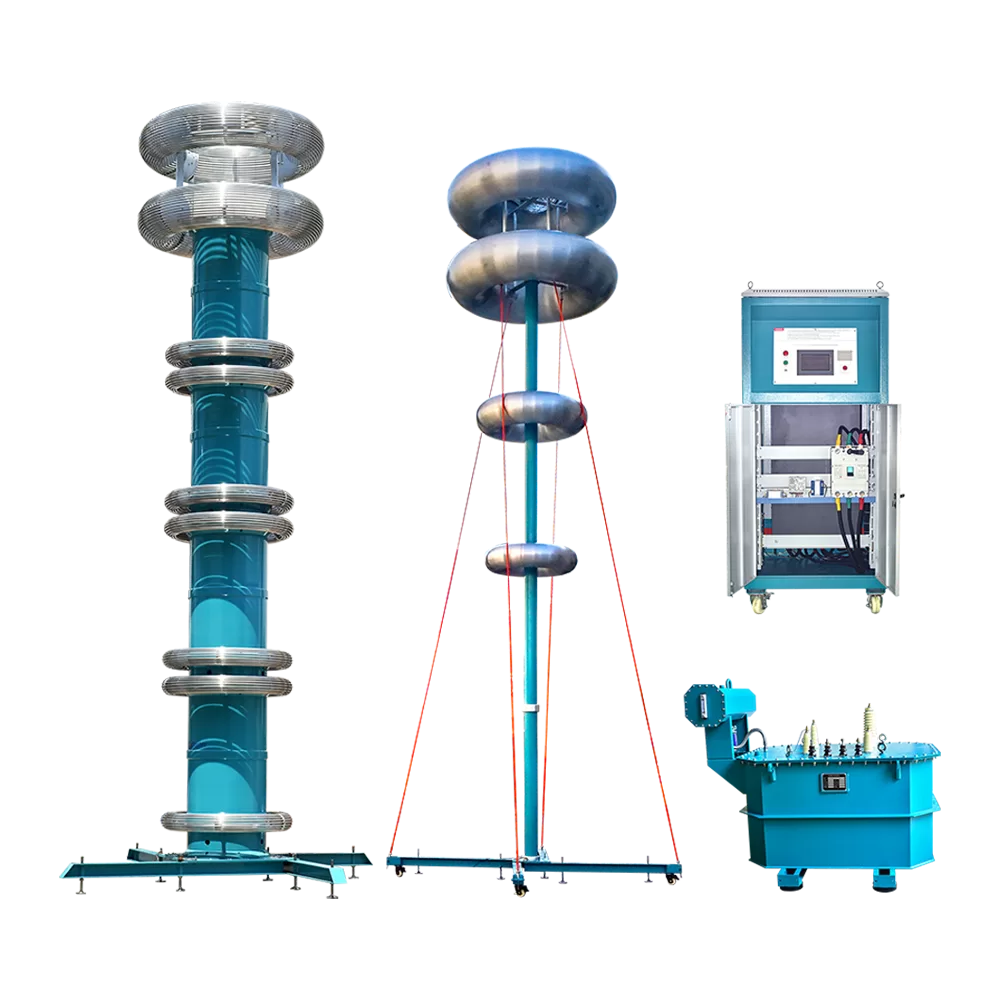
B. Comprehensive transformer test bench and system suppliers
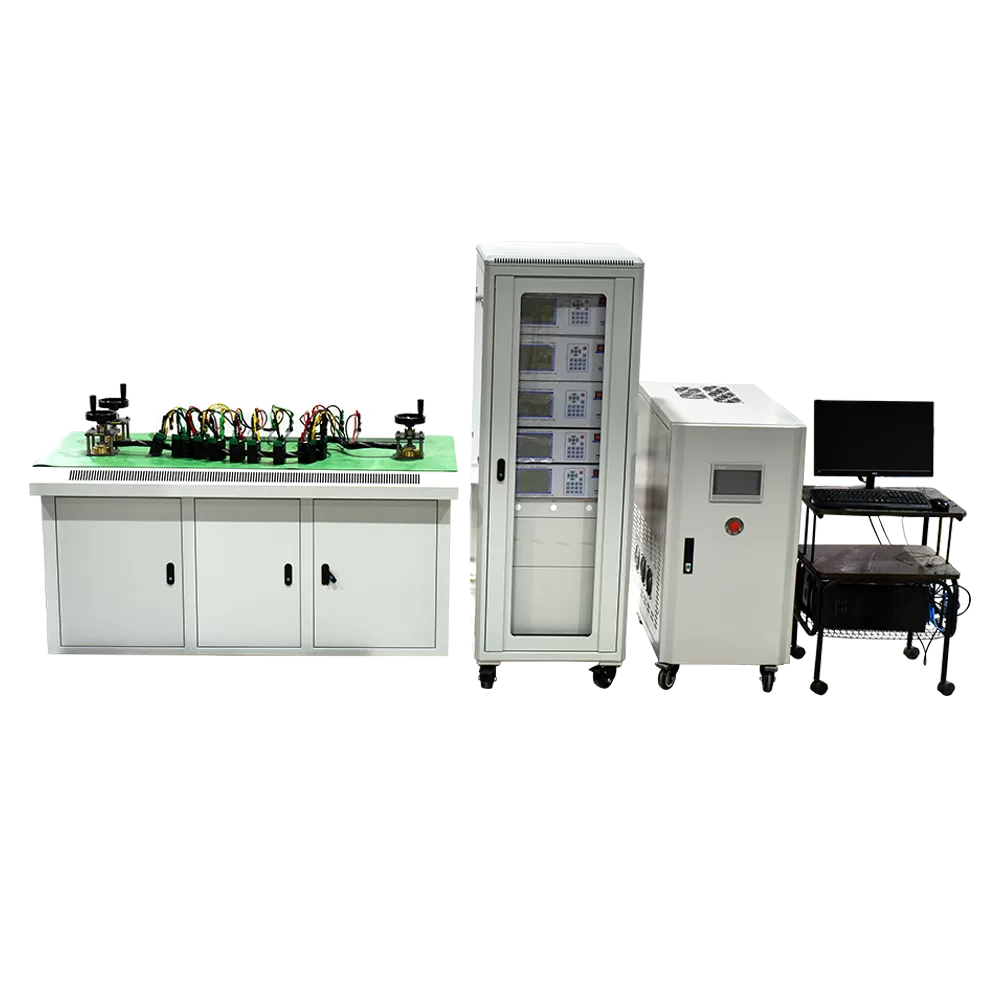
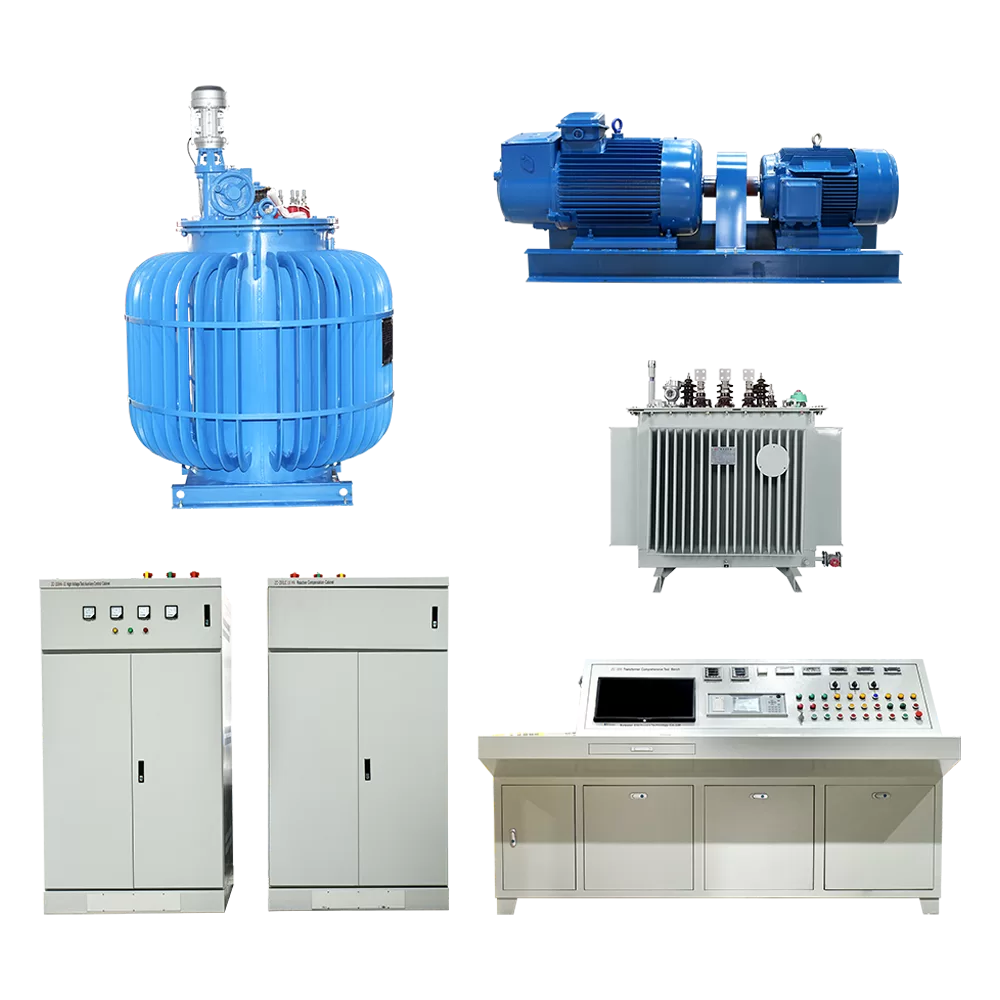
These manufacturers prioritize complete high‑power test systems and transformer comprehensive test benches instead of single handheld devices.
Best suited for:
- Transformer factories and repair centers
- Labs running full type tests and factory acceptance tests
- Organizations that need automated multi‑test workflows
What they do well:
- Custom‑configured test benches for no‑load/load loss, impedance, ratio and more
- High‑power test systems matched to your largest transformer rating
- Integrated automation, data logging and reporting tools
If your bottleneck is production throughput and consistent QA, test bench suppliers often deliver the best long‑term economics despite higher initial investment.
C. Portable, multi‑function and value‑focused manufacturers
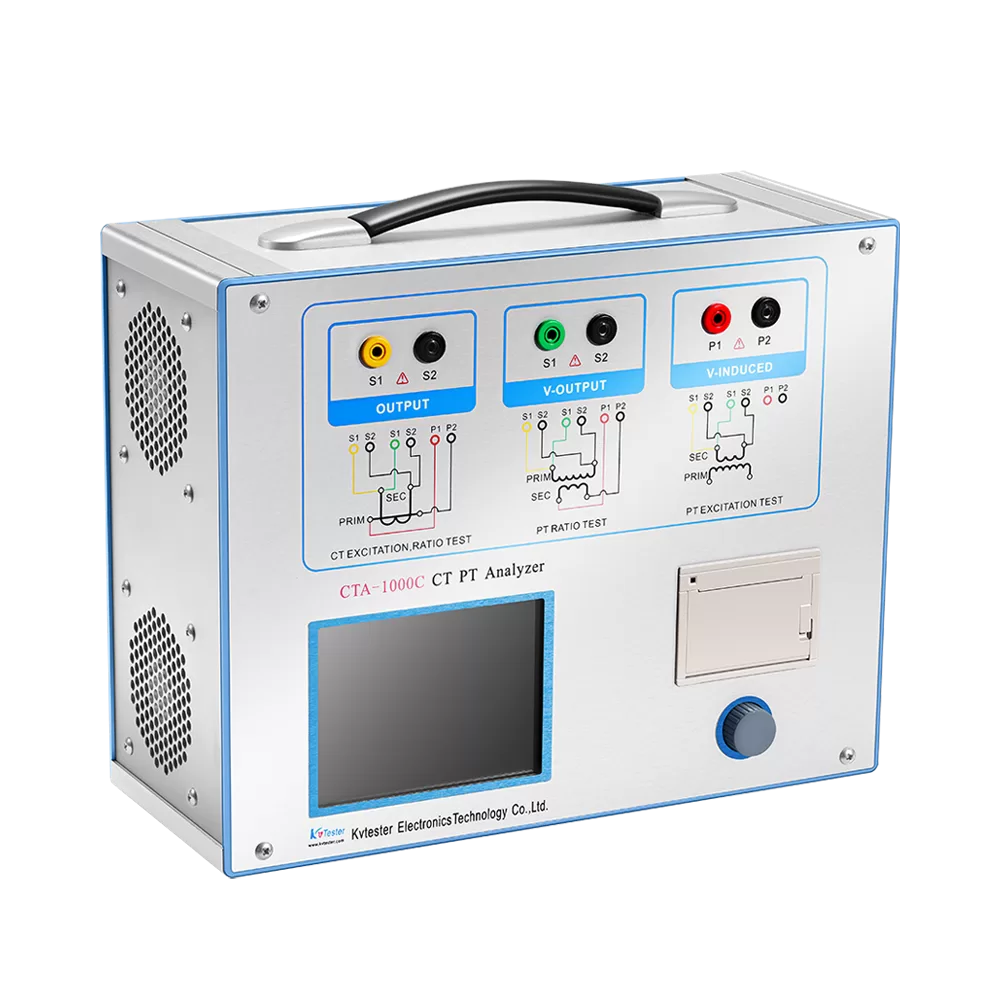
Many transformer testing equipment manufacturers focus on portable TTR meters, winding resistance testers, tan delta sets and CT/PT analyzers that still comply with IEC/IEEE standards.
Best suited for:
- Industrial facilities with mixed transformer fleets
- Field service companies and contractors
- Smaller utilities working within tight budgets
What they do well:
- Lightweight, rugged instruments designed for field use
- Coverage of the most common routine and commissioning tests
- Factory‑direct pricing, shorter lead times and flexible procurement models
If you need to cover the majority of everyday tests across many sites, value‑focused portable transformer testing equipment manufacturers can be the most practical choice.
4. Avoid common mistakes when choosing a transformer testing equipment manufacturer
Once you start receiving quotations, it’s easy to focus on headline specs and prices. These three pitfalls cause most regrets.
Mistake 1: Treating accuracy as a marketing buzzword
A lot of buyers glance at “0.1% accuracy” and assume every transformer testing equipment manufacturer is equal. In reality, metrological discipline varies significantly.
How to avoid it:
- Request detailed measurement uncertainty budgets, not just nominal accuracy numbers.
- Verify calibration traceability to accredited or national labs.
- Confirm recommended calibration intervals and how calibrations are performed.
Manufacturers that are transparent about accuracy and uncertainty are far less likely to cause problems during grid audits or factory acceptance tests.
Mistake 2: Optimizing for the lowest price instead of lifecycle cost
Very low‑priced transformer testing equipment can hide compromises in components, calibration and support. Short‑term savings often become long‑term downtime and re‑testing.
How to avoid it:
- Ask each transformer testing equipment manufacturer for a 10–15‑year total cost of ownership estimate, including calibration, software licensing, training and spare parts.
- Factor in the cost of failed tests, project delays and repeated site visits.
- Compare warranty periods, service SLAs and support availability, not just unit prices.
Reputable manufacturers will help you think in lifecycle terms, not just upfront discounts.
Mistake 3: Ignoring actual site and operating conditions
An instrument that works beautifully in a lab can struggle in hot, humid, dusty substations or cramped industrial locations.
How to avoid it:
- Share details about your typical test environments (indoor vs outdoor, climate, access constraints) and ask for similar reference deployments.
- Check weight, IP rating, cable lengths and ergonomics; heavy equipment may not be realistic for daily field use.
- Confirm that accessories, safety procedures and manuals fit your practical working conditions.
The right transformer testing equipment manufacturer should be able to show that their products survive and perform in environments like yours.
5. Key questions to ask any transformer testing equipment manufacturer
Before you commit to a purchase, use these questions to compare transformer testing equipment manufacturers on meaningful criteria.
Technical capability
- Which transformer tests are supported (TTR, winding resistance, IR, tan delta, SFRA, PD, no‑load/load loss), and up to what voltage and MVA?
- Which IEC/IEEE standards do your instruments comply with, and can you provide formal reports or certificates?
- How are test results recorded and exported (PDF, CSV, cloud, API)? Can your software integrate with our existing asset management or maintenance systems?
Calibration, service and support
- What is the typical calibration interval, and where can calibration be performed (local centers vs factory only)?
- Do you provide remote support, on‑site training and full English documentation?
- What is your usual turnaround time for repairs and spare parts, and is emergency support available?
Business and risk control
- Which certifications does your factory hold (ISO 9001, CE, other safety approvals)?
- Are you the actual transformer testing equipment manufacturer, or a reseller? Can you provide factory audit reports or documentation of your production process?
- Do you offer sample testing, pilot deployments or demo units before long‑term commitments?
Manufacturers that answer these questions clearly, with evidence, are more likely to become reliable long‑term partners rather than one‑off vendors.
6. Turn your search for a transformer testing equipment manufacturer into a clear decision path
Typing transformer testing equipment manufacturer into a search bar is just the beginning. To turn that intent into a solid decision:
- Decide whether you’re mainly compliance‑driven, production‑driven or flexibility‑driven.
- Map the diagnostic capabilities and data workflows your transformer fleet truly requires.
- Shortlist manufacturer types that match your strategy: full‑suite diagnostics, comprehensive test benches or portable value‑focused suppliers.
- Use technical, service and business questions to compare transformer testing equipment manufacturers on lifecycle value instead of catalog slogans.
In a fast‑growing market where precision and reliability directly impact network safety, project margins and asset life, the right transformer testing equipment manufacturer is not simply the one with the longest brochure — it’s the one whose capabilities, certifications and support structure align tightly with how you test transformers in the real world.
Related Products
Latest News
-
 2026-09-302026 Top 3 Chinese Insulation Resistance Transformer Testing Equipment Manufacturers
 -
 2026-09-30Industrial CT Tester: How Is It Used for Current Transformer Factory Testing?
 -
 2026-09-30How Can a CT PT Analyzer Improve CT and PT Quality Testing in the Laboratory?
 -
 2026-09-30How to Perform Current Transformer Testing Step by Step?
 -
 2026-09-30How to Perform CT Analyzer Testing and Evaluate the Test Results?