
Home » News » Company News
Custom Transformer Tester: Smarter, Safer Testing
From Single Instruments to Custom Test Platforms: The New Role of the Custom Transformer Tester
In modern power systems and industrial environments, transformer testing has moved far beyond using a few stand‑alone instruments on a test bench. As voltages increase, networks become smarter, and reliability requirements tighten, utilities and manufacturers are shifting from isolated test tools to integrated, automated test platforms that combine hardware, software, and data management.
Within this context, the term Custom Transformer Tester no longer simply refers to a single device. Instead, it describes a tailored transformer testing solution – a configurable platform that matches specific transformer types, test standards, workflows, and organizational needs. This article explores how to build such a platform, why it matters, and how experienced vendors help turn customization into practical, reliable test systems.
Mapping Transformer Testing Across the Asset Lifecycle
To understand what a Custom Transformer Tester should actually do, it helps to look at transformer testing as a lifecycle rather than a set of isolated measurements.
Design and Development Stage
In the design and prototype phase, engineers perform type tests and design validation tests to verify efficiency, losses, temperature rise, insulation performance, and other key parameters in accordance with standards such as IEC 60076. At this stage, the focus is on deep, detailed measurements and correlation between design models and actual performance.
Factory Production and Pre‑delivery Testing
During manufacturing, semi‑finished and finished transformers undergo routine factory tests and precision calibration tests. Here, test systems must handle repeated procedures efficiently, ensure traceable records, and support batch management. Automated test benches and multi‑function transformer analyzers are commonly used to streamline these workflows.
Site Commissioning and Field Maintenance
Once the transformer is installed, commissioning and periodic maintenance tests validate that the unit operates safely and within specification. Typical tests include:
- Turns ratio and vector group checks
- Winding resistance measurements
- Insulation resistance and dielectric loss (tan delta)
- Load and no‑load loss measurements
- Partial discharge detection and condition assessment
These tests often take place under demanding site conditions, so portability, robustness, and automation are critical.
Smart Monitoring and Data‑driven Diagnostics
Finally, modern transformer fleets increasingly rely on smart monitoring and data analytics. Online monitoring devices, combined with periodic offline test results, feed into digital platforms that support trend analysis, early warning, and optimization of maintenance strategies.
A true Custom Transformer Tester solution should be able to support all of these stages by aligning hardware, software, and data workflows around your specific asset lifecycle and organizational context.
Three Pillars of a Custom Transformer Tester Platform
Instead of thinking in terms of “one device per test,” leading organizations design Custom Transformer Tester solutions around three main pillars: hardware, software, and collaboration.
1. Hardware: Modular Transformer Test Modules
On the hardware side, a Custom Transformer Tester platform combines multiple transformer test functions into a modular, configurable architecture. For example, vendors provide a wide range of transformer testing equipment, including:
- Transformer turns ratio testers
- Winding resistance testers
- Insulation and dielectric loss (tan delta) testers
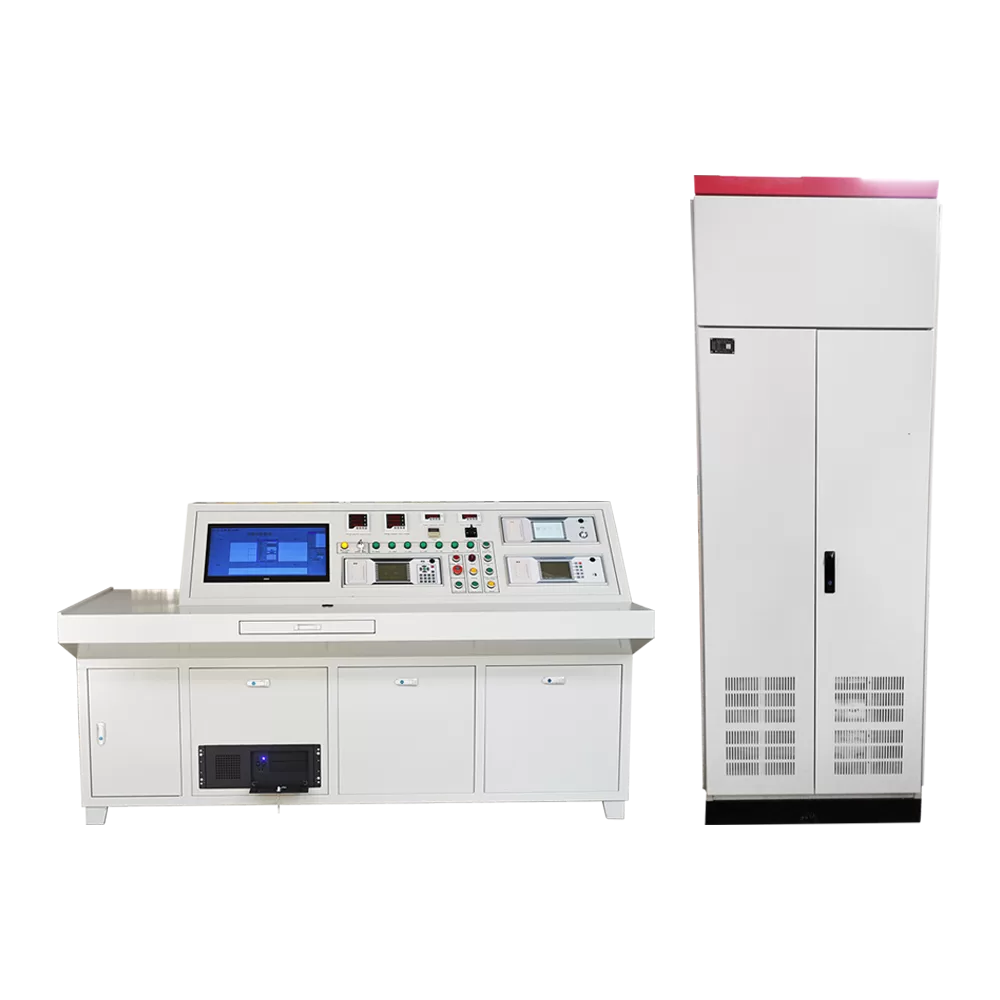
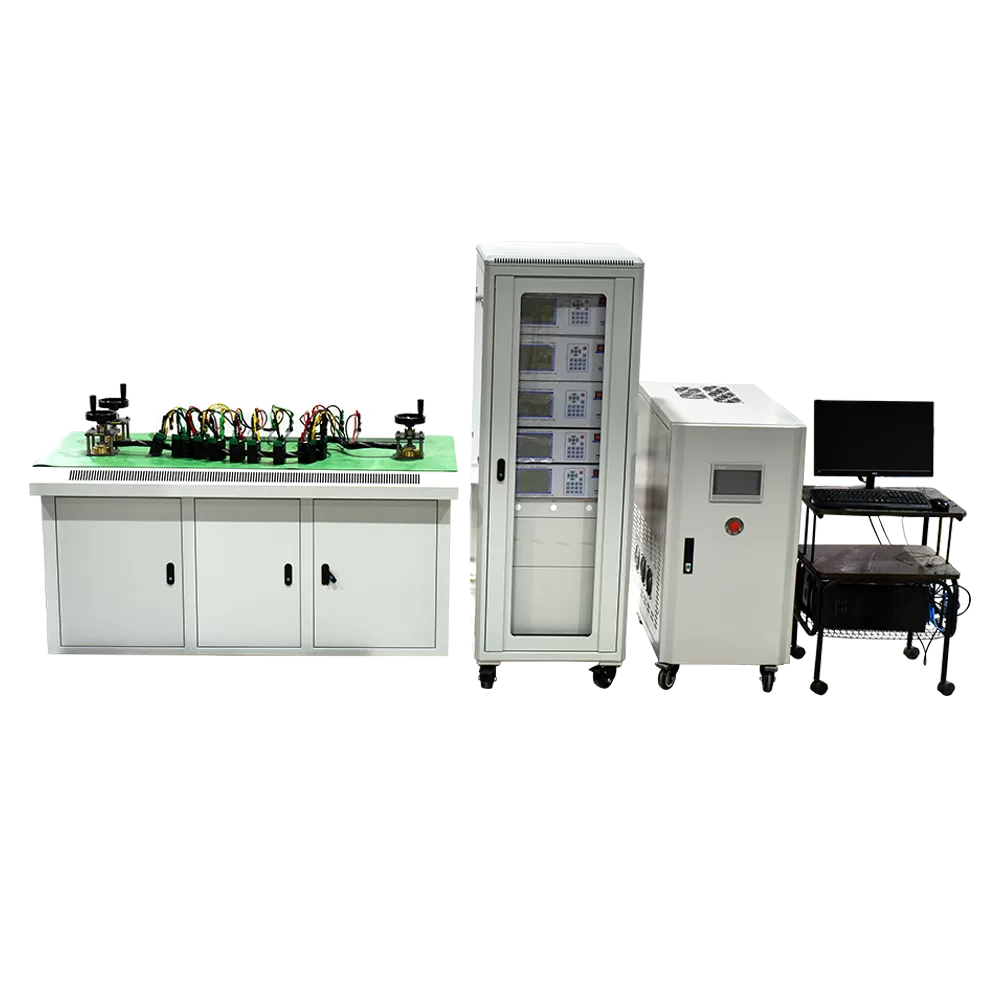
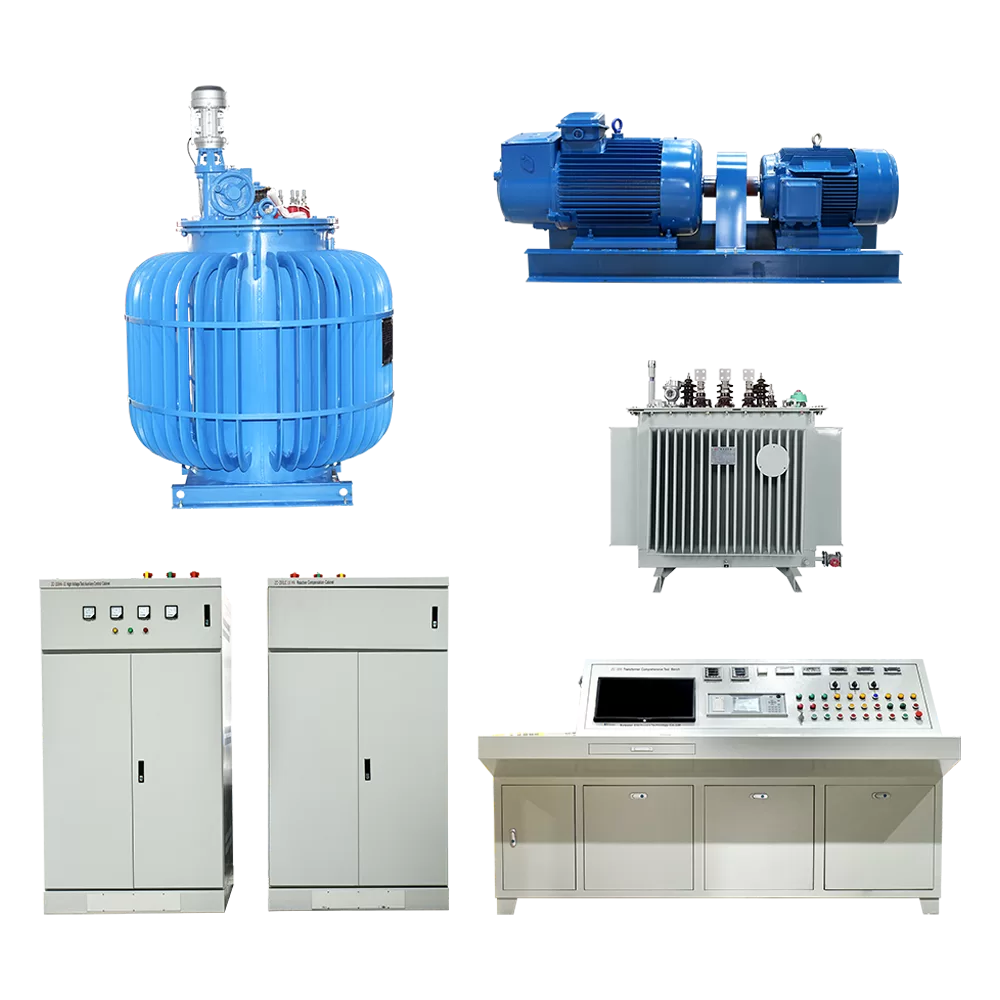
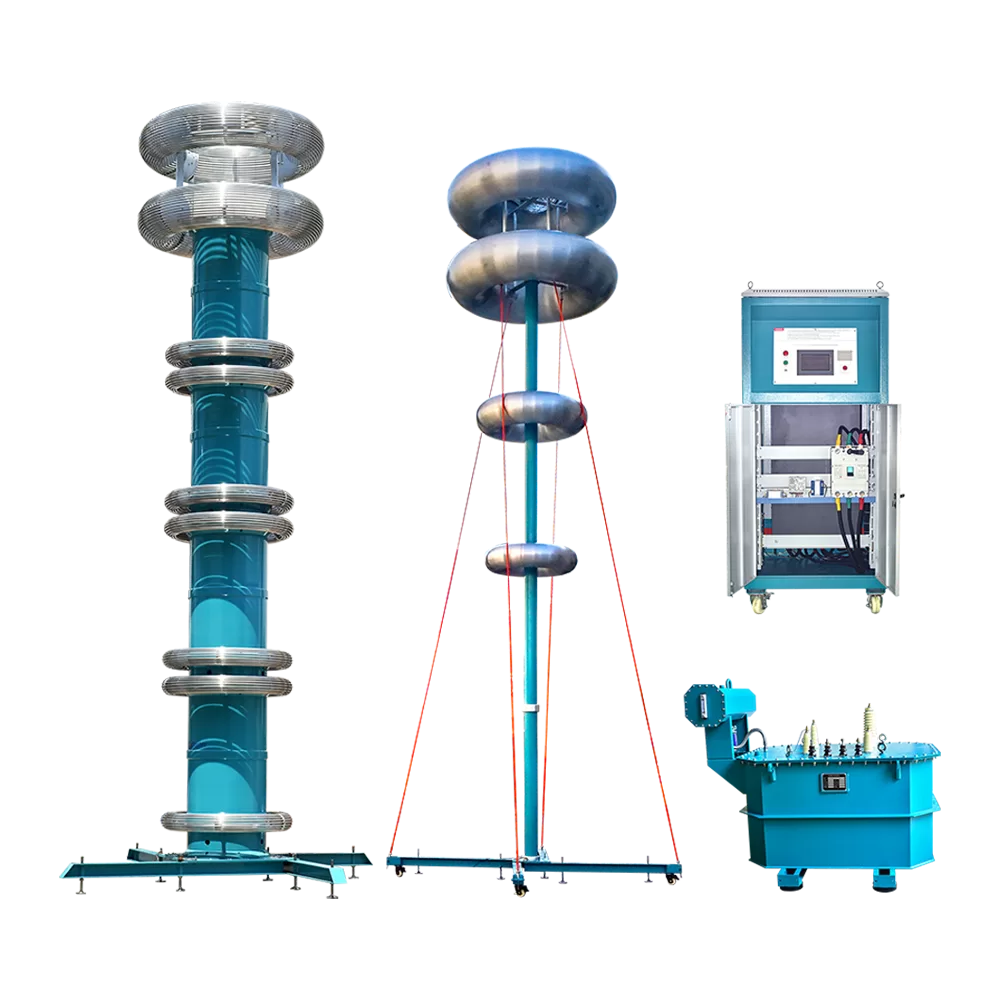
- Comprehensive transformer test benches and high‑voltage test systems
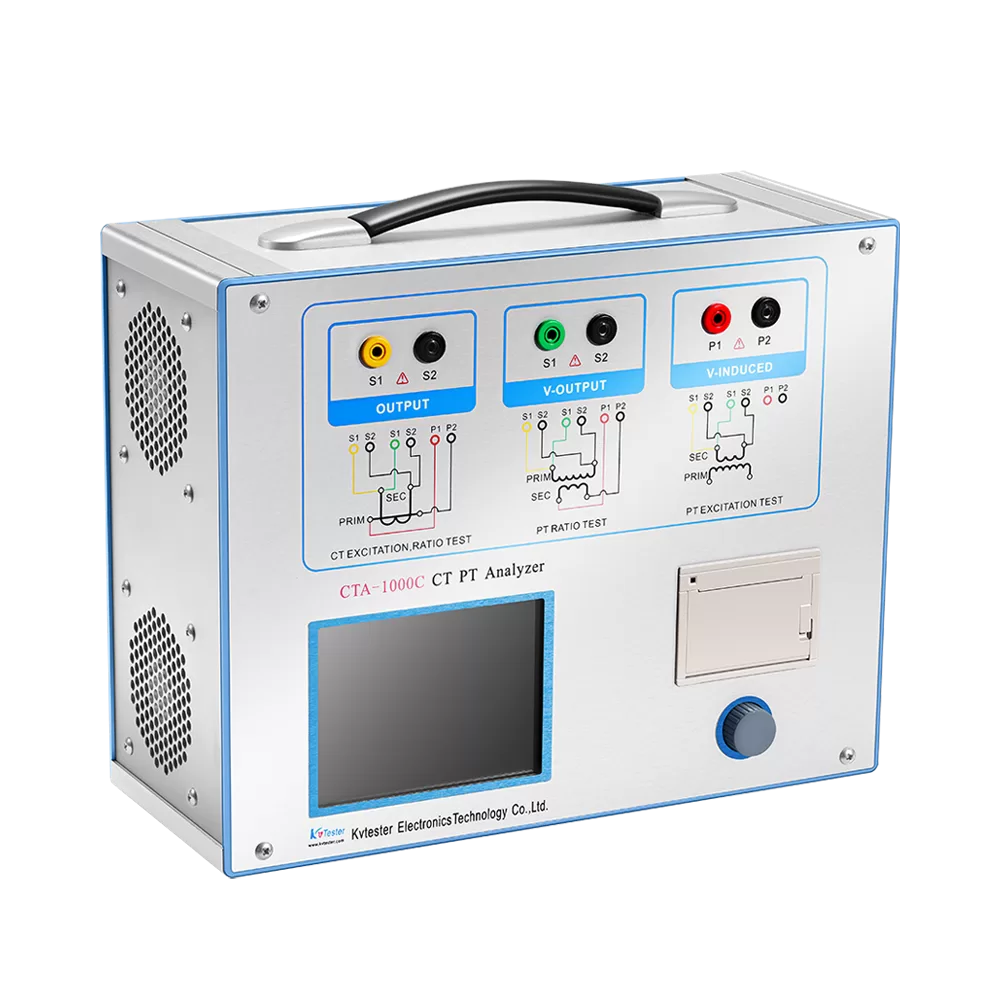
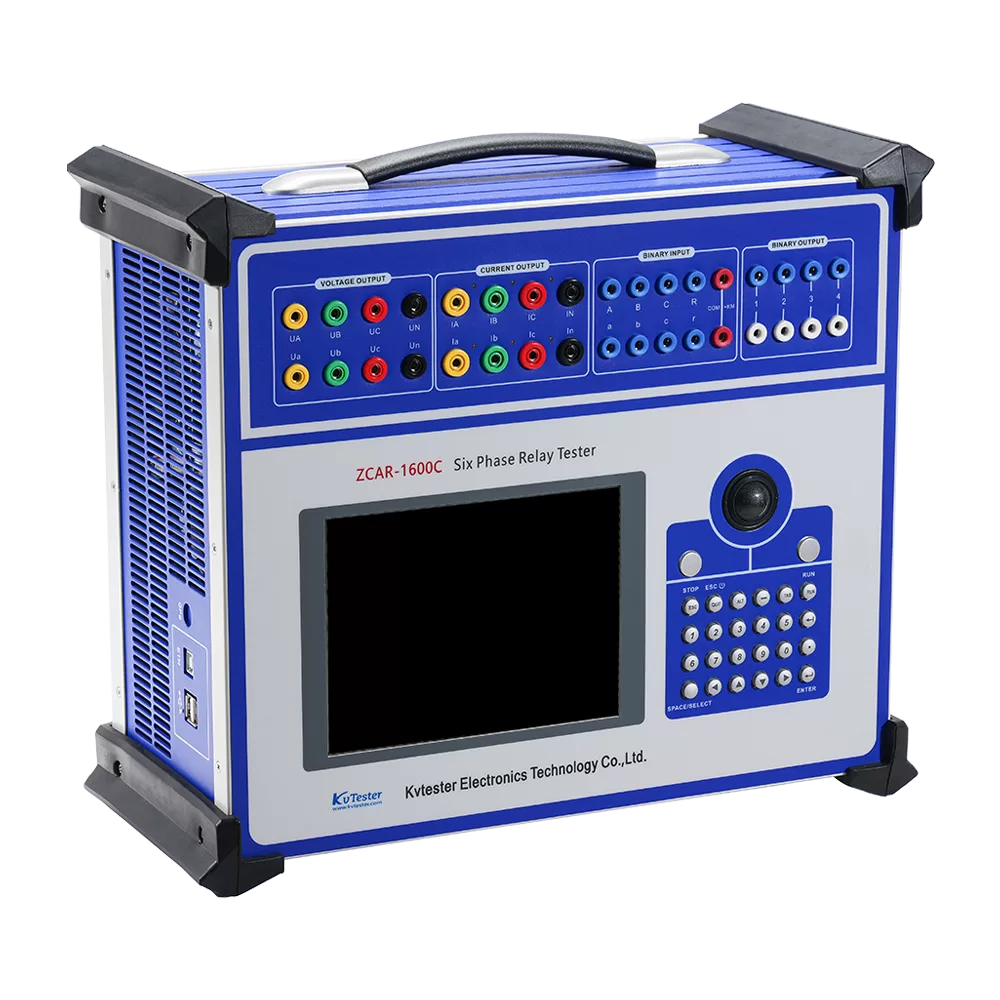
- CT/PT analyzers and relay protection test equipment
These modules can be integrated into automatic test consoles controlled by PLC and industrial PCs, allowing users to configure specific test sequences, adapt to different voltage levels and standards, and scale from single transformers to large production lines.
2. Software: Process Engine and Data Hub
At the core of the platform sits the software layer, which acts as a process engine and data hub:
- Test procedure configuration based on standards (IEC, IEEE, national codes)
- Automated test control and interlocks for safety
- Real‑time data acquisition and visualization
- Standardized report templates for different test scenarios
- Centralized storage and analytics for long‑term trend analysis
This software layer transforms test hardware from simple measurement tools into an orchestrated system that executes consistent, repeatable workflows and produces actionable data.
3. Collaboration: Connecting People, Knowledge, and Assets
The third pillar is organizational collaboration and knowledge management. A robust Custom Transformer Tester solution needs to connect:
- Design teams, factory test engineers, field technicians, and asset managers
- Test standards, SOPs, and checklists
- Test reports, incident records, and lessons learned
By integrating the test platform with collaboration tools and knowledge systems, organizations ensure that every test – whether in the lab, factory, or field – contributes to shared understanding and continuous improvement.
Kvtester: Turning Custom Requirements into Practical Test Solutions
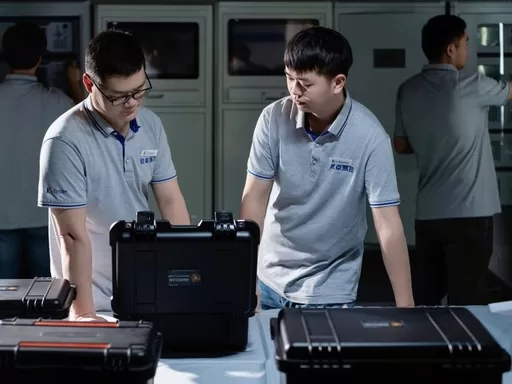
Designing and delivering custom transformer testing platforms requires both product breadth and deep engineering experience. Kvtester is a specialized high‑tech enterprise focusing on the R&D, manufacturing, and sales of power testing equipment and measurement instruments.
Proven Experience Across Industries
Kvtester provides comprehensive test solutions for:
- Power utilities and power generation companies
- Industrial and mining enterprises
- Railway and urban rail transit systems
- Electrical engineering projects, switchgear manufacturers, and research institutes
Since entering the transformer test equipment field in 2008, Kvtester has delivered more than 30,000 sets of instruments and systems to customers in over 40 countries and regions, supporting both domestic grids and international projects.
Quality Systems and Customization Capability
To support critical applications, Kvtester operates under ISO9001, ISO14000, and ISO45001 management systems, ensuring quality, environmental responsibility, and occupational safety. More importantly for custom platforms, the company offers:
- Flexible product customization according to specific test requirements
- Integrated test benches combining multiple transformer test functions
- Long‑term technical support, resources, and both remote and on‑site services
This combination enables Kvtester to help utilities, factories, and engineering firms move from fragmented test instruments to coherent, custom‑built transformer testing platforms.
Product Spotlight: ZC‑203B Transformer Ratio Tester in a Custom Platform
Within a Custom Transformer Tester architecture, dedicated instruments still play crucial roles as core measurement modules. The ZC‑203B Transformer Ratio Tester from Kvtester is a good example of such a module.
Role and Typical Applications
The ZC‑203B is designed to measure transformer turns ratio and verify vector group configurations. In a custom platform, it typically serves as the primary ratio testing component, supporting:
- Acceptance tests for newly installed transformers
- Routine field checks of operating transformers
- Factory end‑of‑line testing for power transformer manufacturers
By providing accurate ratio measurements, the ZC‑203B helps detect winding errors, incorrect tap connections, and deviations from design specifications.
Integration into Custom Transformer Tester Solutions
When integrated into a broader Custom Transformer Tester platform, the ZC‑203B offers several advantages:
- High‑precision ratio measurements that feed directly into automated test workflows and digital reports
- Seamless combination with other Kvtester modules, such as winding resistance testers and insulation test systems, to form a comprehensive transformer test bench
- Unified data management through Kvtester’s software solutions, simplifying report generation and long‑term record keeping
In practice, many organizations use instruments like the ZC‑203B as building blocks, plugging them into custom test consoles and control systems to match their unique transformer fleets and standards.
Designing Your Own Custom Transformer Tester Platform
Moving from ad hoc testing to a custom platform is a strategic project. The following steps provide a practical roadmap for utilities, manufacturers, and large industrial users.
1. Chart Your Test Workflow Blueprint
Start by mapping your existing and desired test workflows across the transformer lifecycle:
- Design validation, type testing
- Factory routine and special tests
- Commissioning, periodic maintenance, and fault diagnostics
- Online monitoring and data analytics
For each stage, identify test items, responsibilities, standards, and data destinations.
2. Select and Configure Hardware Modules
Based on this blueprint, select and configure the necessary hardware modules:
- Ratio and vector group testing (e.g., ZC‑203B)
- Winding resistance, insulation resistance, and tan delta testing
- Loss measurements, temperature monitoring, high‑voltage withstand tests
- CT/PT analyzers, relay test equipment, and breaker/switchgear test devices
Working with an experienced supplierm allows you to combine these modules into integrated consoles or portable systems tailored to your voltage levels, transformer types, and industry standards.
3. Implement a Unified Control and Data Platform
Next, deploy a unified control and data platform:
- Automated control via PLCs and industrial PCs
- Standardized test procedures and safety interlocks
- Centralized data acquisition and storage
- Configurable report templates for different test scenarios
This step turns the hardware into a coherent Custom Transformer Tester system rather than a collection of separate devices.
4. Connect Collaboration and Knowledge Management
Integrate your test platform with organizational collaboration tools and knowledge systems:
- Link test tasks and procedures to digital SOPs and standards
- Store reports and diagnostic findings in shared repositories
- Enable cross‑department access (design, operations, asset management, quality)
By treating transformer testing as part of your broader digital operations, you increase transparency, reduce duplication, and improve learning from every test.
5. Establish Continuous Improvement Mechanisms
Finally, set up continuous improvement mechanisms around your platform:
- Periodic review of test data and failure cases
- Updates to test standards and workflows
- Integration of new modules (e.g., advanced partial discharge analysis, online monitoring)
- Evaluation of emerging technologies such as AI‑assisted diagnostics and digital twins
With these routines in place, your Custom Transformer Tester platform becomes a long‑term asset that evolves alongside your grid, plants, and product portfolio.
Conclusion: Custom Transformer Tester as a Foundation for Test Digitalization
Transformer test equipment is undergoing a clear transition: from isolated instruments to integrated, intelligent test platforms that combine hardware, software, and data management. In this context, the Custom Transformer Tester is not just a product label. It represents a strategic approach to building tailored, lifecycle‑oriented test solutions that fit your assets, standards, and organizational workflows.
By partnering with experienced suppliers, and by integrating key modules like the ZC‑203B Transformer Ratio Tester into a well‑designed platform, utilities and manufacturers can transform transformer testing into a digital, collaborative, and continuously improving capability—supporting safer grids, more efficient production, and more resilient industrial operations.
Related Products
Latest News
-
 2026-09-302026 Top 3 Chinese Insulation Resistance Transformer Testing Equipment Manufacturers
 -
 2026-09-30Industrial CT Tester: How Is It Used for Current Transformer Factory Testing?
 -
 2026-09-30How Can a CT PT Analyzer Improve CT and PT Quality Testing in the Laboratory?
 -
 2026-09-30How to Perform Current Transformer Testing Step by Step?
 -
 2026-09-30How to Perform CT Analyzer Testing and Evaluate the Test Results?