
Home » News » Company News
ANSI Standard Six Phase CT Tester Manufacturer: OEM Selection Guide
For utilities, relay protection contractors, transformer manufacturers, and private-label distributors, the right OEM partner must provide verifiable test capability, dependable engineering support, clear documentation, and equipment that fits the intended CT or protection-testing workflow.
As a manufacturer of power testing and measurement equipment, Kvtester supports customers with CT/PT analyzers, transformer test systems, relay protection testers, and customized electrical test solutions. This guide explains what buyers should evaluate before choosing an OEM supplier for ANSI/IEEE-related CT testing applications.
Choose the Correct Equipment Category
Before evaluating a manufacturer, confirm whether your application requires a CT/PT analyzer or a multi-phase relay protection tester. These instruments may be used in the same substation, factory, or commissioning project, but they solve different testing tasks.
A CT/PT analyzer is designed to evaluate current transformer and voltage transformer characteristics. Typical tests include CT ratio, phase-angle accuracy, excitation and saturation characteristics, burden impedance, winding resistance, polarity, residual magnetism, and related accuracy calculations. This makes it the suitable choice when the objective is to verify CT performance, assess protection CT suitability, or test metering CTs during production, commissioning, or maintenance.
The CTA-1000D CT/PT Analyzer automatically determines relevant current transformer values and compares results with selected IEC or IEEE standards. It supports ratio and phase-angle accuracy, excitation characteristics, burden impedance, winding resistance, polarity, saturation behavior, and residual magnetism testing. Its automatic test duration is specified as less than two minutes, supporting efficient field testing workflows.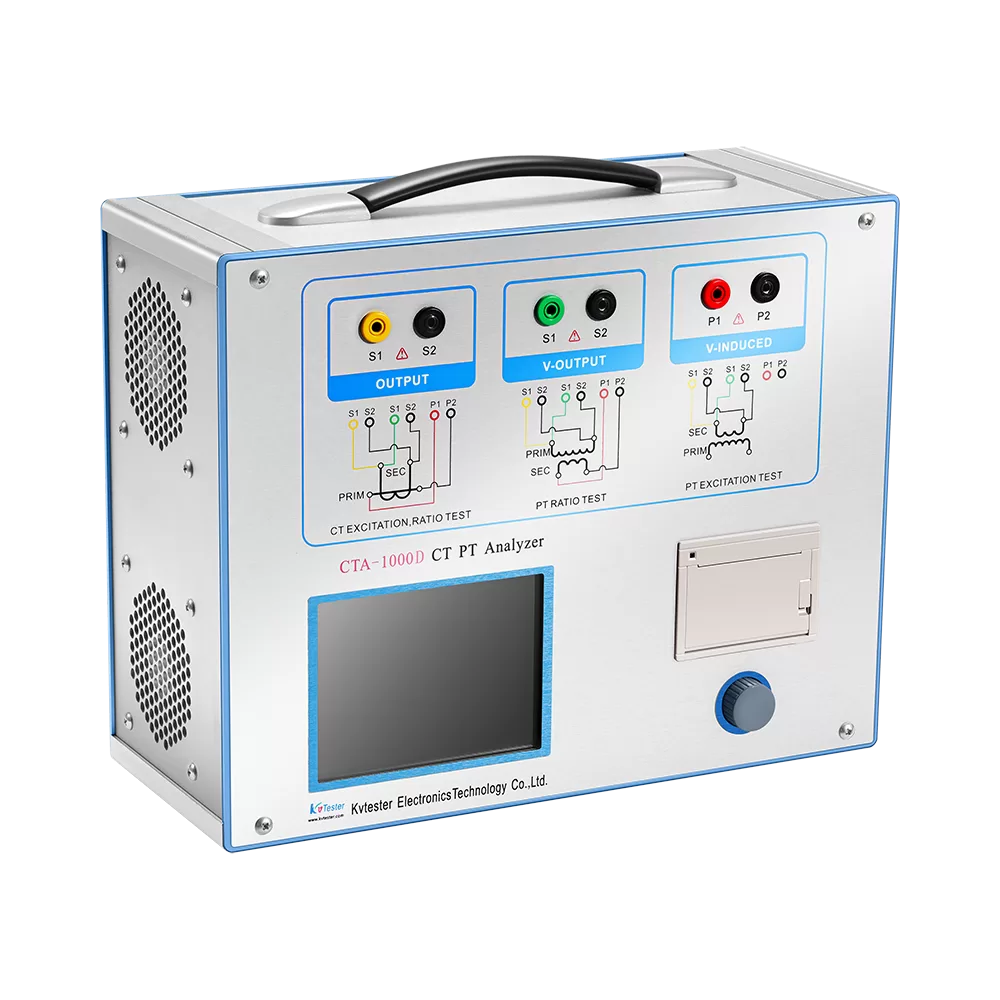
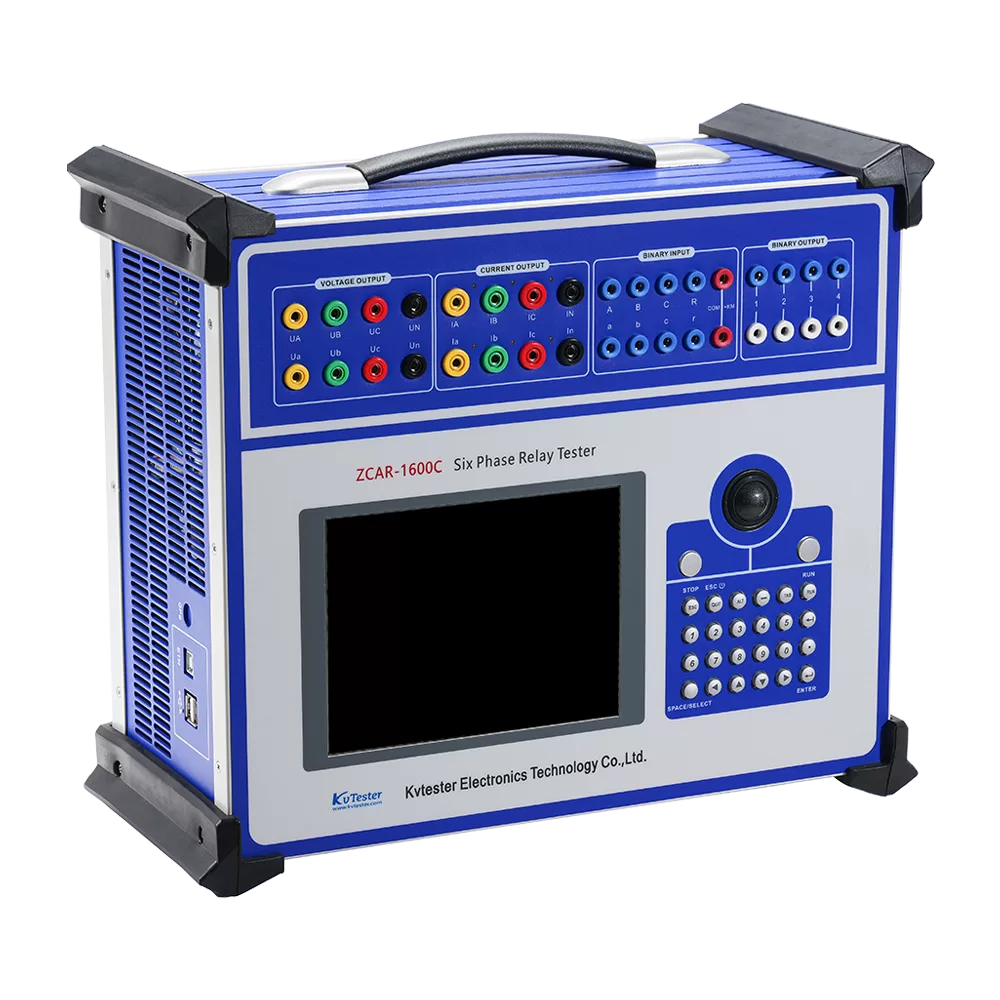
A multi-phase relay protection tester, by contrast, injects programmable current and voltage signals into protection relays. It is normally selected for overcurrent, overvoltage, differential, distance, feeder, transformer, and other relay protection verification tasks.
Define Your CT Testing Requirements
Different applications place different requirements on the instrument. A metering CT may require ratio and phase-angle accuracy verification, while a protection CT may require a deeper review of excitation performance, saturation behavior, burden, accuracy limit factor, and secondary circuit conditions.
Before sending an RFQ, prepare the CT application, nominal primary and secondary current ratio, accuracy class, protection requirements, rated burden, expected connected burden, number of taps or ratios to be tested, required test voltage and output current, required standard, operating environment, report requirements, language, branding, and data-handling requirements.
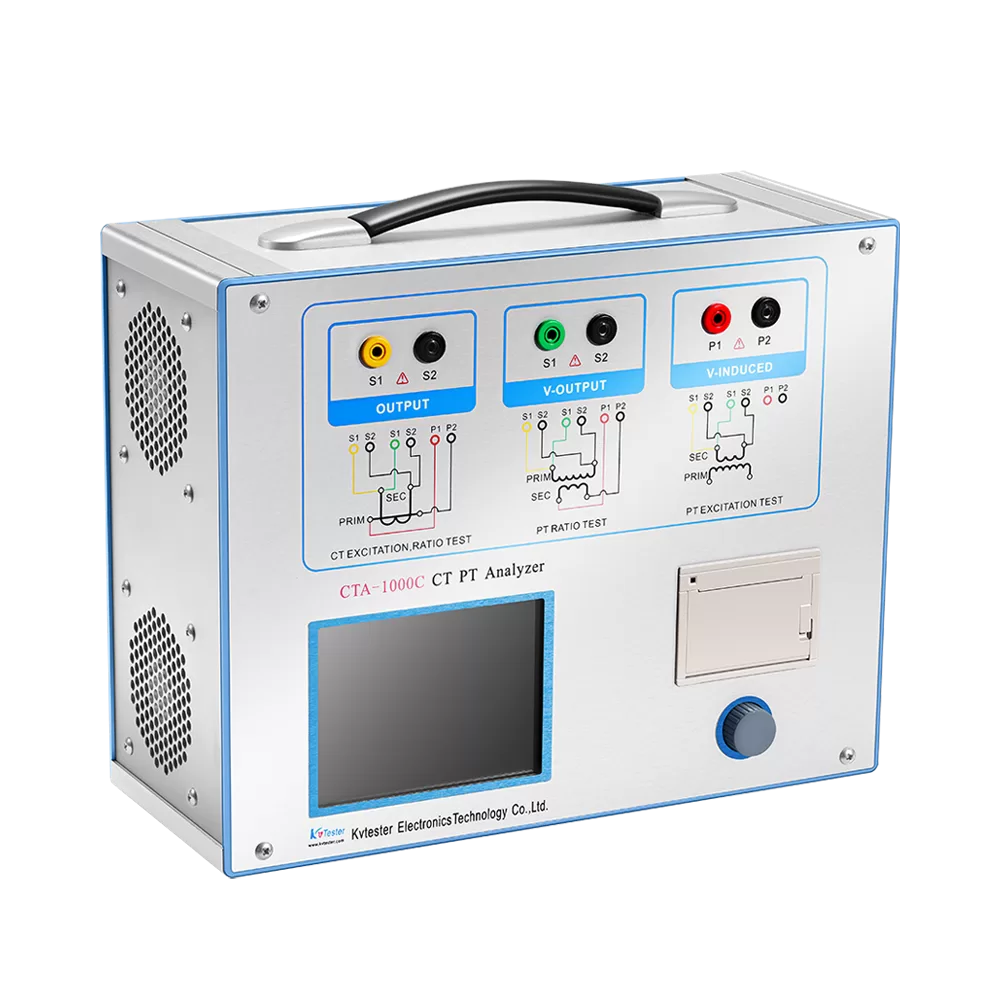
For applications that require CT and PT testing in a portable instrument, the CTA-1000C CT/PT Analyzer supports CT/PT testing with a CT ratio range of 1–40,000, CT ratio accuracy of ±0.05%, DC resistance testing from 0–300 Ω, burden testing from 0–1000 VA, and AC 110 V ±10% or 220 V ±10% power input.
Evaluate Test Equipment Functions
CT tester actual functions commonly include CT ratio testing, phase-angle accuracy measurement, excitation testing, saturation or knee-point analysis, burden testing, winding-resistance measurement, polarity testing, residual-magnetism evaluation, demagnetization, and PT testing where required. Request the measurement range, guaranteed accuracy, resolution, connection method, test procedure, and a sample report for every function that affects your acceptance criteria.
For CTA-1000C applications, available specifications include 0–180 Vrms output, up to 12 Arms output current, 36 A peak current, ±0.1% voltage measurement accuracy, and burden measurement accuracy of ±0.2% ±0.02 VA.
Ask the manufacturer to demonstrate the required test sequence using a comparable CT, a customer-supplied transformer, or a documented factory acceptance procedure.
Assess Accuracy, Calibration, and Repeatability
For procurement teams, accuracy claims must be supported by traceable evidence. A technically credible OEM should be able to provide product specifications with guaranteed and typical accuracy values, factory inspection records, calibration traceability information, measurement range and resolution details, periodic recalibration guidance, after-sales repair procedures, and serial-number-controlled production records.
The CTA-1000D specifies ratio measurement ranges up to 10,000, with guaranteed ratio error values that vary by measurement range. It also provides 0–120 V output, 0–5 A effective output current, up to 400 VA effective output power, winding-resistance resolution of 1 mΩ, and guaranteed winding-resistance accuracy of 0.1% plus 1 mΩ.
Compare these figures against the project’s acceptance criteria. Do not select a device solely because it advertises a high typical accuracy figure; verify the guaranteed specification, applicable measurement range, and test conditions.
Check Safety for Field Testing
CT testing can involve energized environments, installed secondary circuits, and sensitive protection systems. Safety design should therefore be a formal part of supplier qualification.
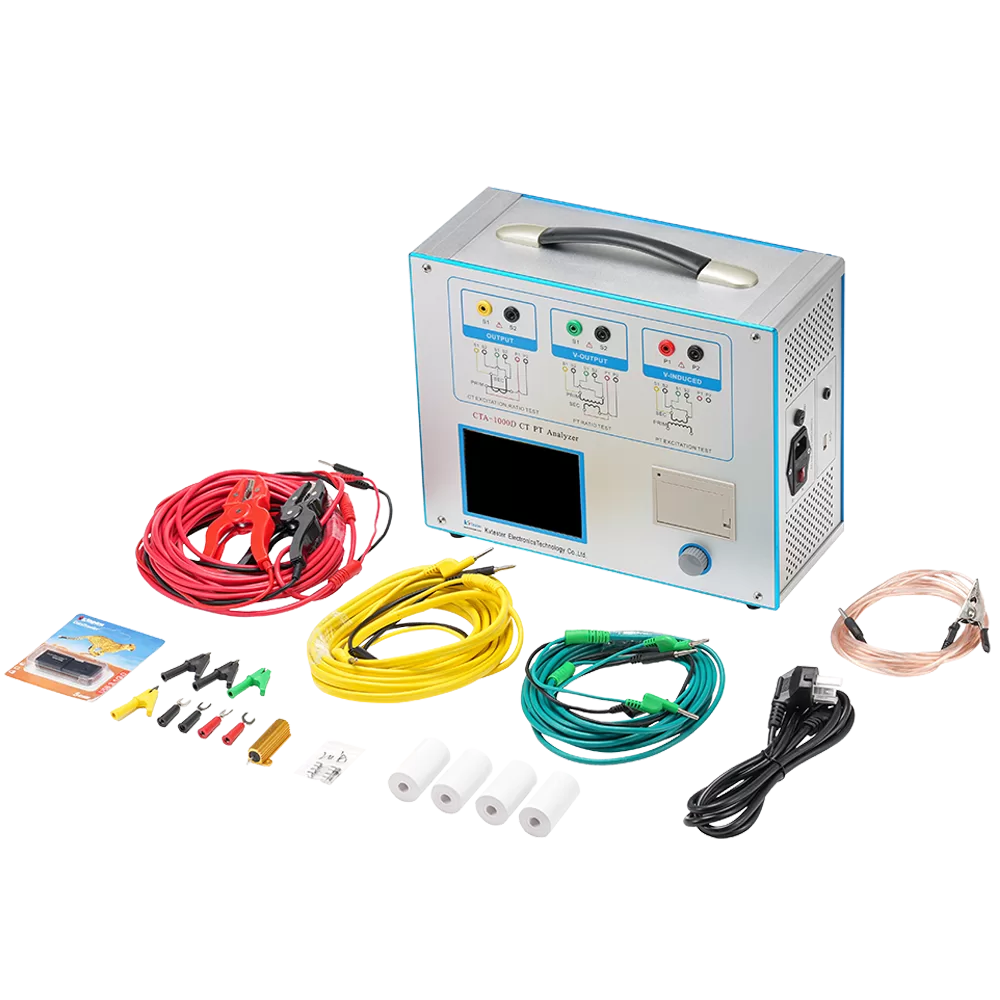
Ask whether the instrument includes output overcurrent and overvoltage protection, internal thermal protection, connection guidance, safe output limits, grounding instructions, clear terminal identification, a protective carrying case, operating-temperature specifications, and English-language safety instructions and wiring diagrams.
The CTA-1000D is specified for a maximum test voltage of 180 V and a working temperature range from -10°C to +50°C. It weighs less than 9 kg and uses a protective carrying-case design intended to support transportation and vibration resistance.
Review OEM Customization Capability
Distinguish between standard supply, private labeling, and deeper OEM development.
For a standard order, buyers may only need an instrument with English documentation. For distributor or brand-owner projects, customization can include a brand logo on the instrument, software, case, labels, and packaging; a customized startup screen or user-interface language; branded operation manuals and test report templates; plug type and input-voltage configuration; custom test leads and adapters; special measurement ranges where technically feasible; and project-specific factory acceptance testing.
For more advanced projects, the supplier should confirm whether firmware, software, communication interfaces, report fields, or testing workflows can be modified. These requirements should be defined in writing before production begins.
A professional OEM quotation should clearly distinguish standard features from paid customization, state the minimum order quantity where applicable, and document lead time for samples, technical confirmation, production, inspection, and shipment.
Use a Factory Acceptance Test
The most effective way to reduce OEM risk is to agree on a Factory Acceptance Test, or FAT, before placing a production order.
Your FAT should match the intended application instead of using a generic checklist. For a CT/PT analyzer, include the required CT ratio, phase-angle, excitation, burden, polarity, winding-resistance, and demagnetization functions. For a relay protection tester, include the required current and voltage outputs, phase-control accuracy, timing functions, digital inputs and outputs, and relay test sequences.
A practical FAT should verify the model number, serial number, accessories, test leads, carrying case, agreed CT/PT test results, measurement range, accuracy, report format, English-language documentation, input voltage, power plug, labels, OEM branding, packing list, and export packaging. Buyers may also request a video inspection or third-party inspection before shipment.
Choose a Manufacturer That Supports the Full Workflow
Choose an ANSI-oriented CT tester manufacturer is the one that understands your CT application, confirms the correct equipment category, provides measurable and documented performance, and supports the complete process from technical selection through acceptance testing and after-sales service.
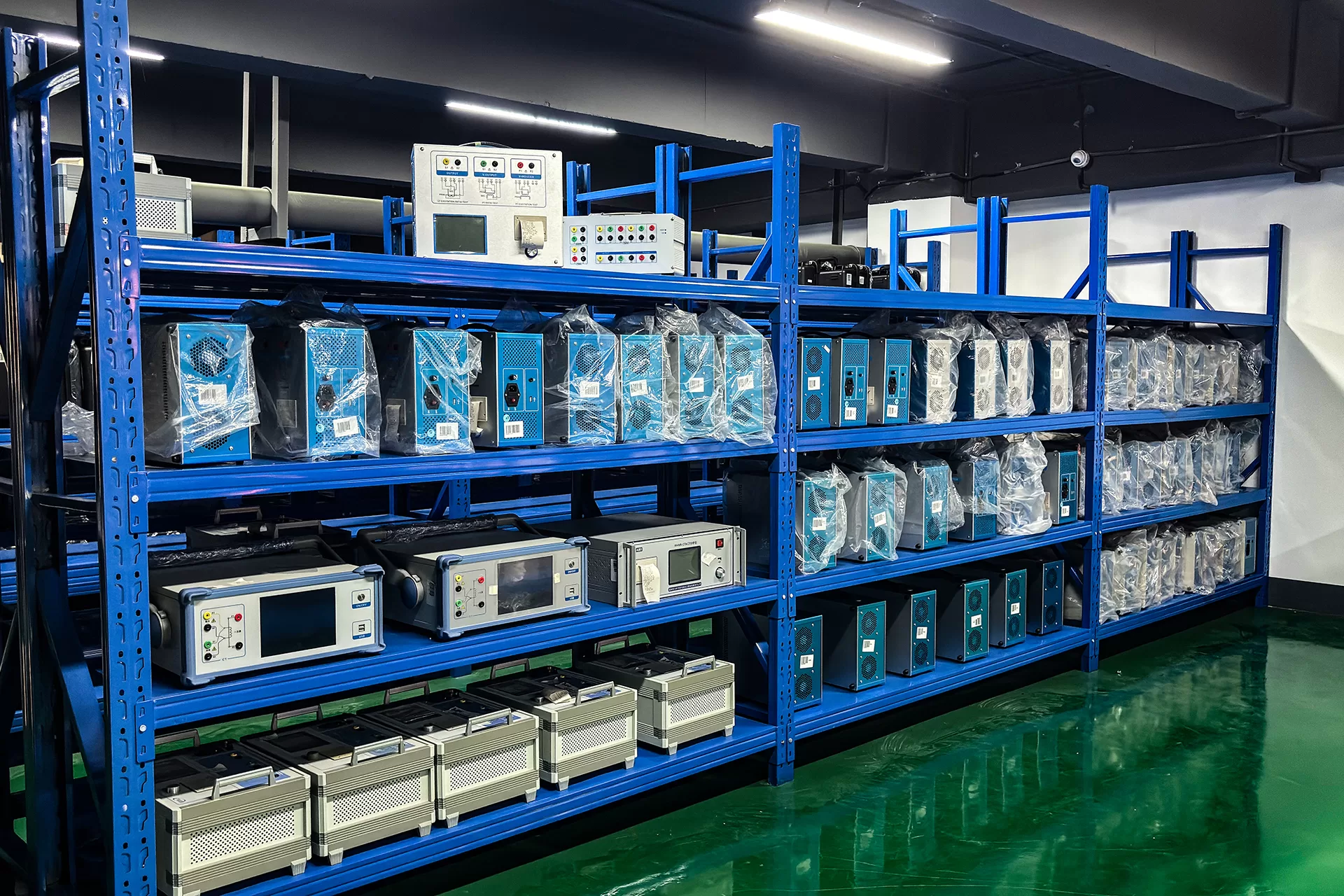
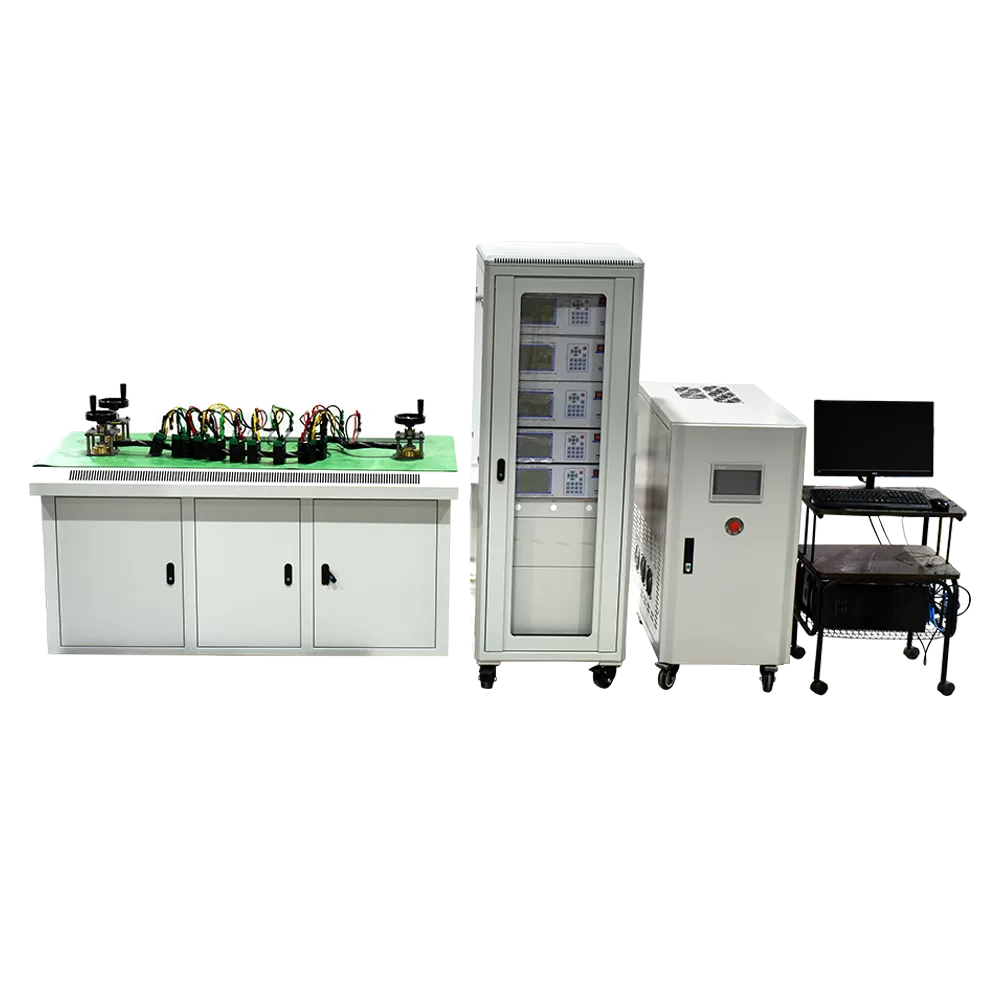
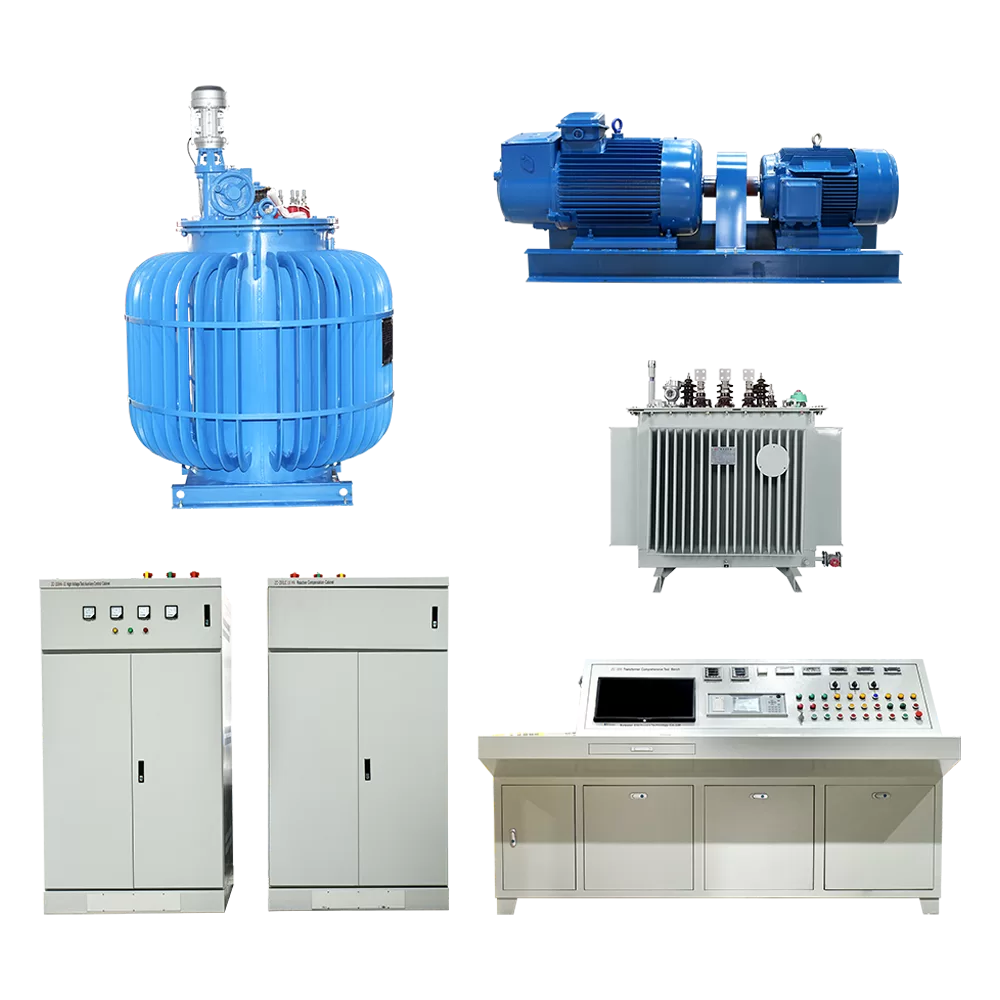
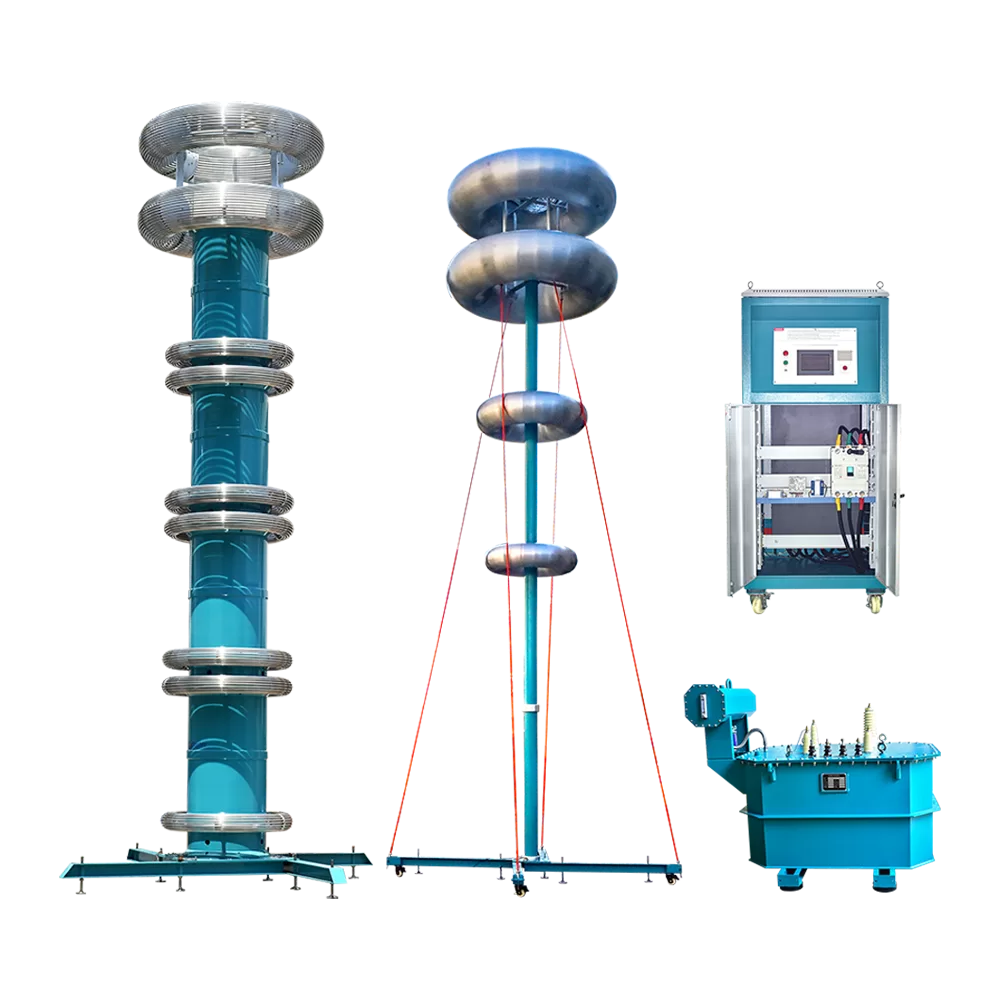
Kvtester develops and supplies CT/PT test systems, CT/PT analyzers, relay protection testers, transformer test benches, DC resistance testers, resonant test systems, and related electrical measurement equipment. For an OEM, distributor, utility, or commissioning contractor, the next step is to provide CT nameplate data, applicable standards, test items, target market, and branding requirements. A clearly defined specification makes it easier to identify the right CT/PT analyzer, relay tester, or customized test system for the project.
Related Products
Latest News
-
 2026-09-17How an Intelligent Transformer Tester Supports Safe Transformer Testing
 -
 2026-09-17
 -
 2026-09-10What causes unstable or fluctuating dielectric loss test data?
 -
 2026-09-10What causes high dielectric loss values? Common causes and troubleshooting approaches
 - 2026-09-10What is the difference between the “normal connection” and “reverse connection” methods for dielectric loss testers?