
Advantages and disadvantages of different CT testing methods
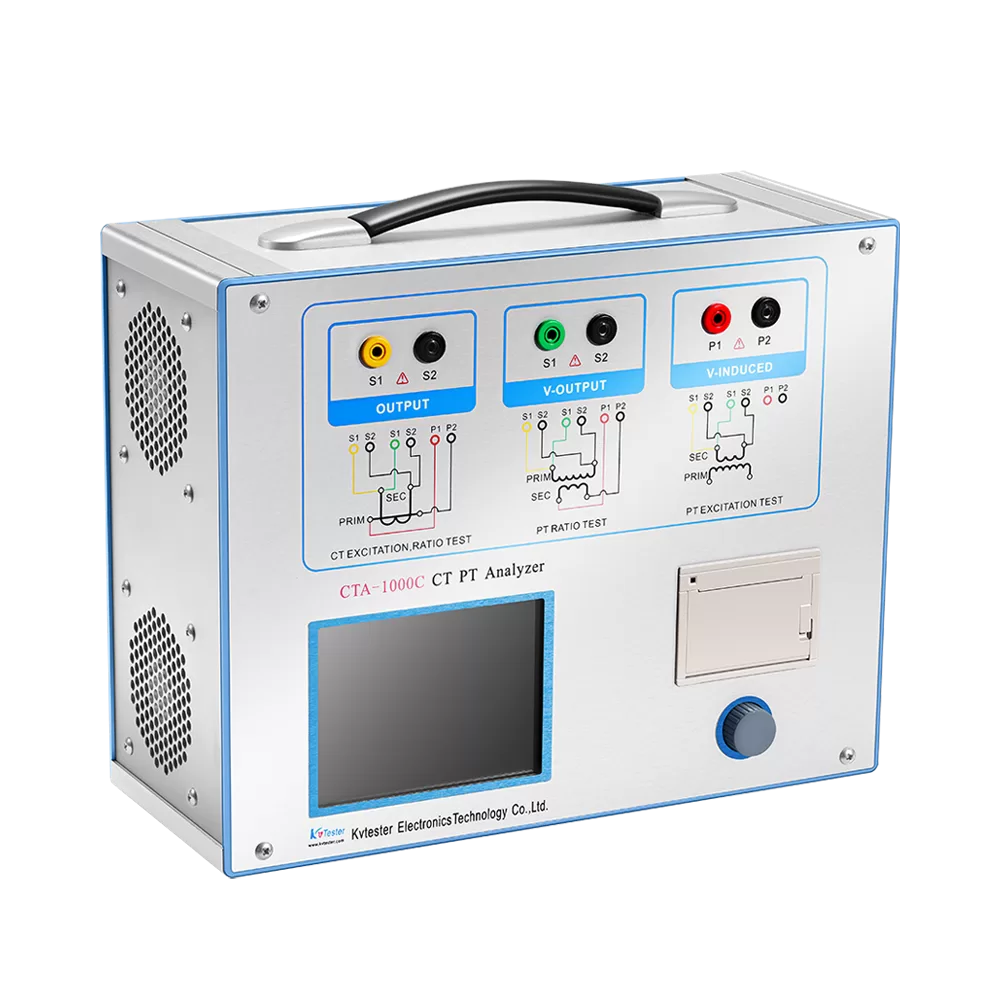
CTA-1000 Series CT Analyzer automatically determines all relevant current transformer values and compares the results with the selected standard, include excitation data, saturation inflection point, remanence coefficient, accuracy limit overcurrent factor, ratio and error data. The device evaluates the current transformer as per the IEC or IEEE standard within seconds with the push of a button.
CT Analyzer facilitates fast and economical on-site testing and calibration of metering and protection current transformers. Manufacturers of current transformers, high voltage transformers and switchgear also use the CT Analyzer for tests during development and production.
| Advantages and disadvantages of different CT testing methods | ||||
| Method | Primary nominal current injection | Primary current injection | Secondary voltage injection | Model-based testing |
| Setup | Reference transformers and measuring bridges | Test set for current supply and measurement | Test set for voltage output and measurement of voltage and current | Test set for low test signal injection and CT modelling |
| Usage | Used in factories, calibration laboratories and on-site mounted on a test truck | Used during commissioning if high accuracy is not required | Used during commissioning or maintenance if a simple check of the CT‘s integrity from the secondary side is sufficient | Used in all stages of a CT‘s life |
| Principle | 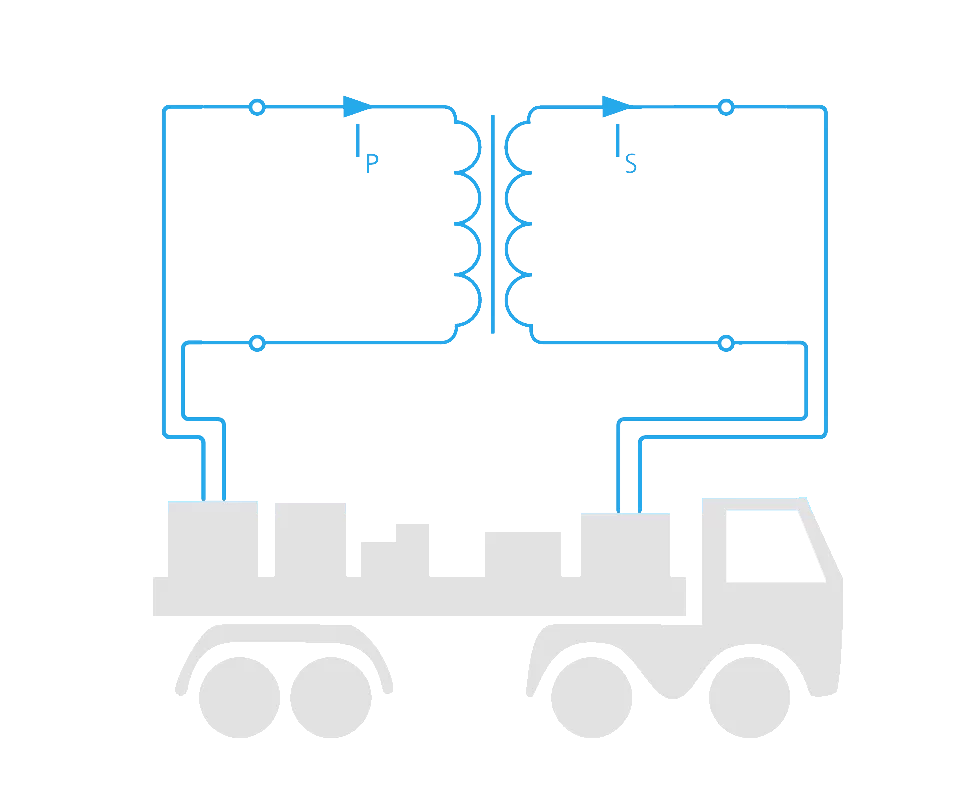 |  |  | 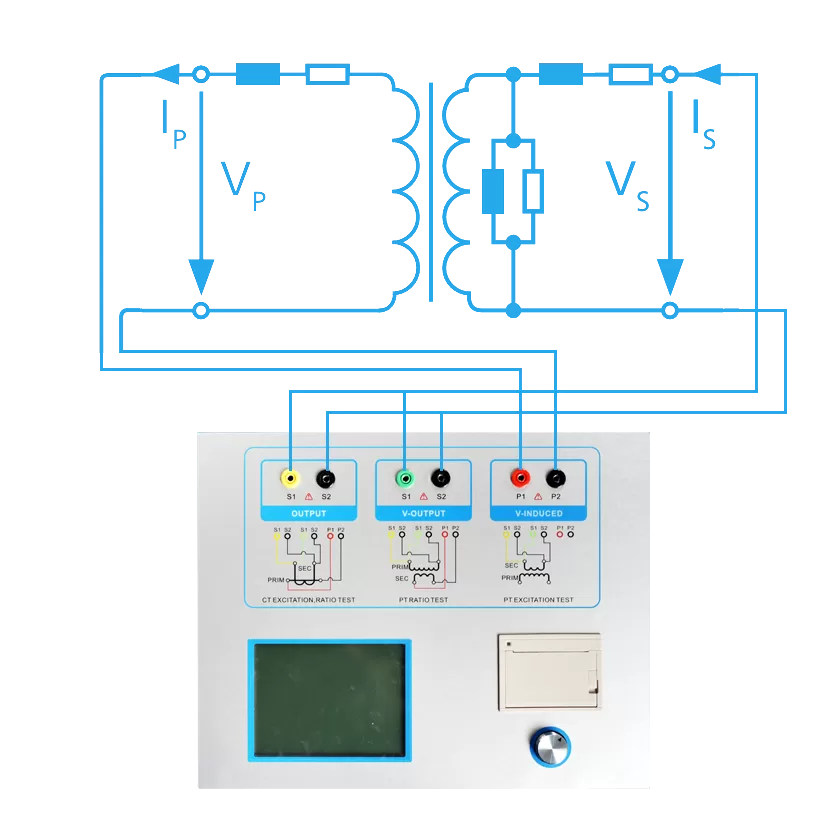 |
| Safety | Performed with very high currents (nominal and overcurrent magnitudes) | Currents up to 1000 A | Voltages up to 2 kV or more | Output voltages up to 180 V |
| Accuracy | High accuracy | Insufficient for high-accuracy metering CTs Sensitive to transient distortion if line frequency test signals are being used | Insufficient for high-accuracy CTs Sensitive to transient distortion if line frequency test signals are being used | Suitable for all classes, including class 0.1 |
| Mobility | ~ Two tons of equipment (test truck, high-current source, heavy cables, current box, …) | ~ 30 kg / 66 lbs (without additional equipment such as a burden box) | ~ 20 kg / 44 lbs | ~ 9 kg / 20 lbs |
| Handling | The heavy equipment requires several people to set up and perform the test | Rewiring is required between single tests (for example, ratio, polarity, saturation, winding resistance) Results must be assessed manually | Test results must typically be evaluated manually Special attention has to be given to high-voltage leads and connections | One-button test Integrated report Fast (< 2 min) |
Related Products
Latest News
-
 2026-09-302026 Top 3 Chinese Insulation Resistance Transformer Testing Equipment Manufacturers
 -
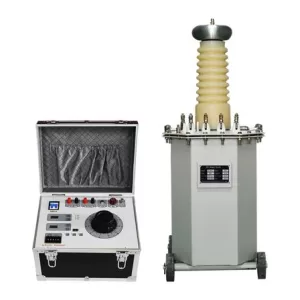 2026-09-30Industrial CT Tester: How Is It Used for Current Transformer Factory Testing?
 -
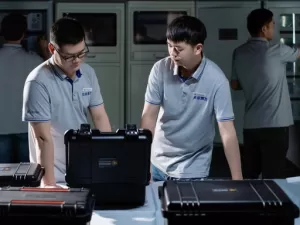 2026-09-30How Can a CT PT Analyzer Improve CT and PT Quality Testing in the Laboratory?
 -
 2026-09-30How to Perform Current Transformer Testing Step by Step?
 -
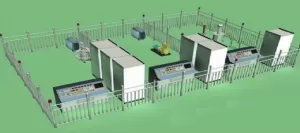 2026-09-30How to Perform CT Analyzer Testing and Evaluate the Test Results?