
What is the purpose of a transformer load test?
What is the purpose of a transformer load test?
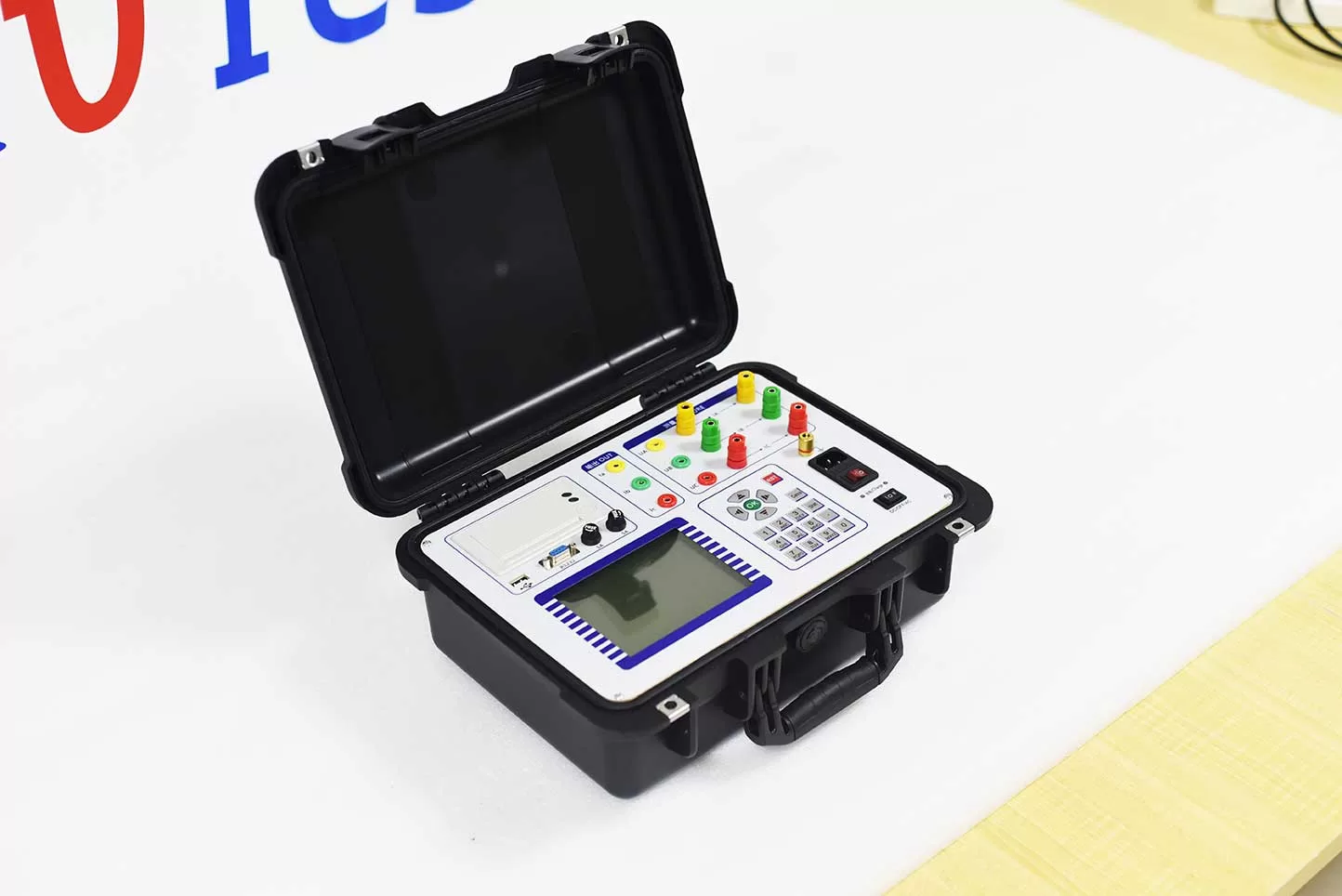
A transformer load test is a key component of transformer performance testing. It is primarily used to measure parameters such as load loss and short-circuit impedance under conditions of rated frequency and specified current, thereby determining whether the transformer’s windings and internal conductive circuits meet design and operational requirements.
Load testing is typically conducted as a “short-circuit test”: one set of transformer windings is short-circuited, while a low voltage is applied to the other side to drive the specified current through the windings. Because the applied test voltage is significantly lower than the rated voltage, the magnetic flux in the core remains minimal; consequently, no-load losses are negligible, and the measured power primarily reflects the resistive losses in the windings and additional stray losses.
1. Measuring transformer load loss
Load loss is a major component of a transformer’s operating losses, consisting mainly of copper losses (due to winding resistance) and additional losses (caused by leakage magnetic fields). Through a load test, the load loss at a specified current can be measured and subsequently adjusted for temperature in accordance with relevant standards. Since the magnitude of load loss directly impacts a transformer’s operating efficiency and long-term economic viability, it serves as a critical parameter for factory acceptance tests, commissioning tests, and overall performance evaluation.
2. Measuring short-circuit impedance
Load testing also yields the transformer’s short-circuit impedance. This parameter reflects the combined characteristics of the winding resistance and leakage reactance, and it is essential for tasks such as parallel operation, short-circuit current calculation, and the configuration of system protection. If the measured short-circuit impedance deviates significantly from the design value or historical data, further investigation—often involving additional tests—is required to determine whether the windings have undergone deformation, displacement, or have developed faulty connections.
3. Assessing the condition of windings and conductive circuits
Beyond measuring performance parameters, a transformer load test helps identify potential anomalies within the windings and internal conductive circuits. If there is a significant discrepancy in load losses among the three phases, or if the test results deviate substantially from historical data, a thorough investigation—covering the DC resistance of the windings, tap changers, lead connections, and the overall condition of the windings—is warranted. Consequently, in practical equipment diagnostics, the load test is typically analyzed in conjunction with other assessments, such as DC resistance measurements, turns-ratio tests, and insulation tests.
4. Verification of Transformer Design and Manufacturing Quality
For newly manufactured or overhauled transformers, load tests are used to verify whether parameters—such as measured load losses and impedance voltage—meet the original design specifications. If the test results deviate significantly from the design values, further investigation may be required, focusing on factors such as winding dimensions, conductor cross-sectional areas, leakage flux distribution, connection integrity, and manufacturing processes.
Conclusion
The primary objective of a transformer load test is to measure load losses and short-circuit impedance, which are then used to assess the operational status of the windings and the conductive path. By comparing the measured data against design specifications, factory-test values, and historical records, one can obtain a robust basis for evaluating transformer performance, analyzing operational status, and diagnosing potential anomalies. Therefore, the load test remains a critical component of factory acceptance, commissioning, and periodic diagnostic testing for transformers.
Related Products
Latest News
-
 2026-10-15What causes unstable results in transformer DC resistance tests?
 -
 2026-10-15How to Choose a Resonant Test System With USB Output
 -
 2026-10-15CT PT Analyzer Manufacturers: Features and Selection Guide
 -
 2026-10-142026 Top 6 Portable Transformer Testing Equipment Manufacturers
 -
 2026-10-14How Do You Choose an Outdoor CT PT Analyzer for Field Testing?